

Faced with what education officials say is a broken school funding system, a statewide task force is considering overhauling how Minnesota pays to educate students.
Among the options being considered by the task force: finding ways to help cover a projected $600 million gap in mandated special education costs, reducing schools' reliance on property taxes in light of dwindling state and federal aid and clarifying how state aid to integrate schools should be spent.
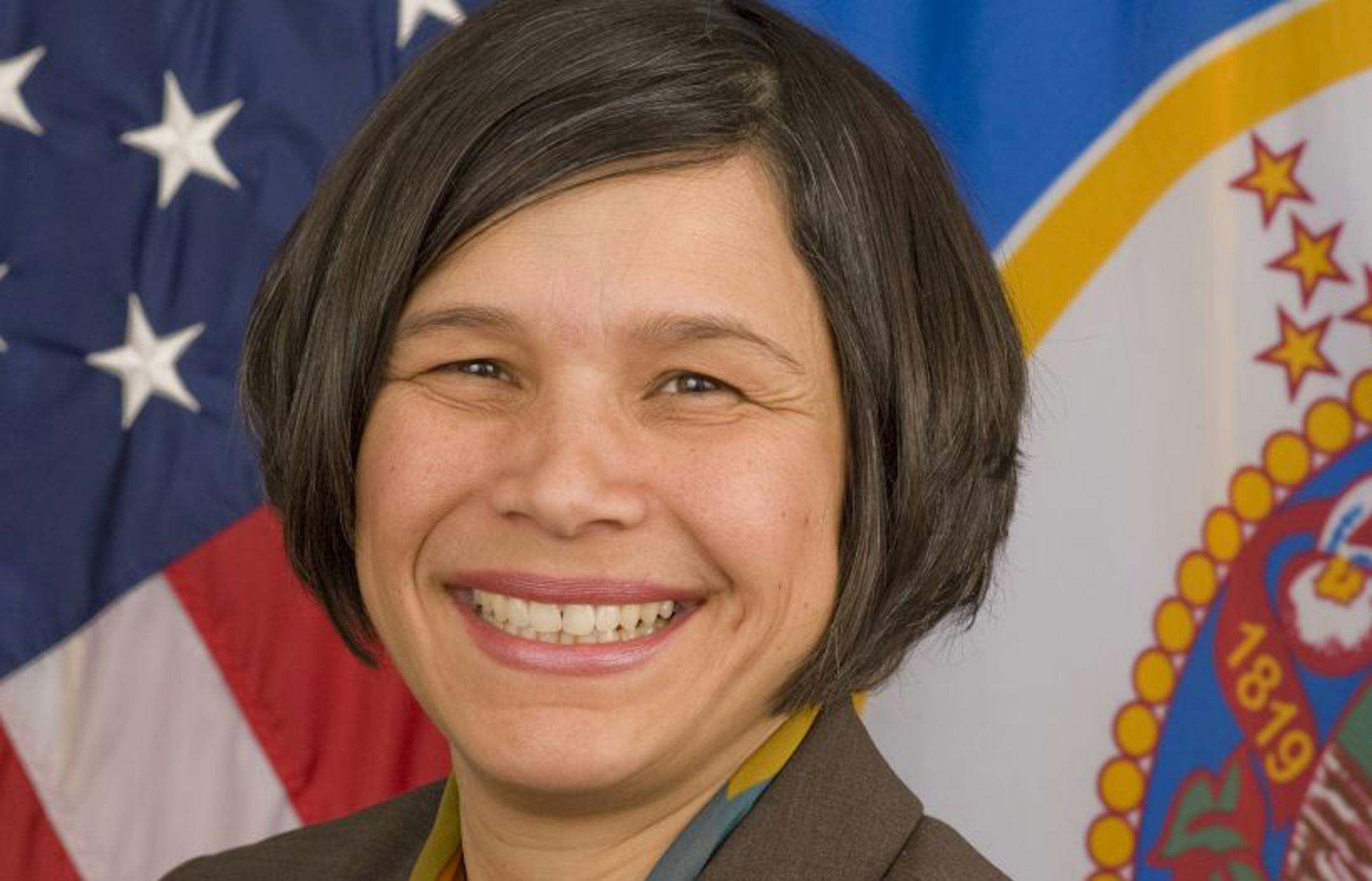
"If we're truly going to create and sustain a world-class system of public schools, we must find a way to fund them that is nimble, smarter and more accountable," said Minnesota Education Commissioner Brenda Cassellius.
When adjusted for inflation, general education revenue per student has remained fairly flat or declined slightly over the past decade. That's excluding revenue raised through local referendums, which have become more frequent as schools rely more on property taxes to keep pace with the rising costs of transportation, staffing, technology and facility maintenance.
Last year, a record 132 school districts held referendums, most asking for renewals or increases in their operating levies.
"I've been to more and more meetings of various coalitions -- faith groups, business groups -- of people who are really upset about how education in Minnesota is being financed," said Mary Cecconi, a task force member and executive director of Parents United for Public Schools. "I think they're going to be the ones to really drive this conversation going forward."
The task force, made up of teachers, administrators and parent group representatives, is tentatively scheduled to issue a slate of recommendations by the end of next month.
But first, the task force is embarking on a state tour to gather input from anyone interested in education finance reform. The first meeting was last week and others are scheduled from now until mid-November. Most meetings will be held at schools and education cooperatives.


