

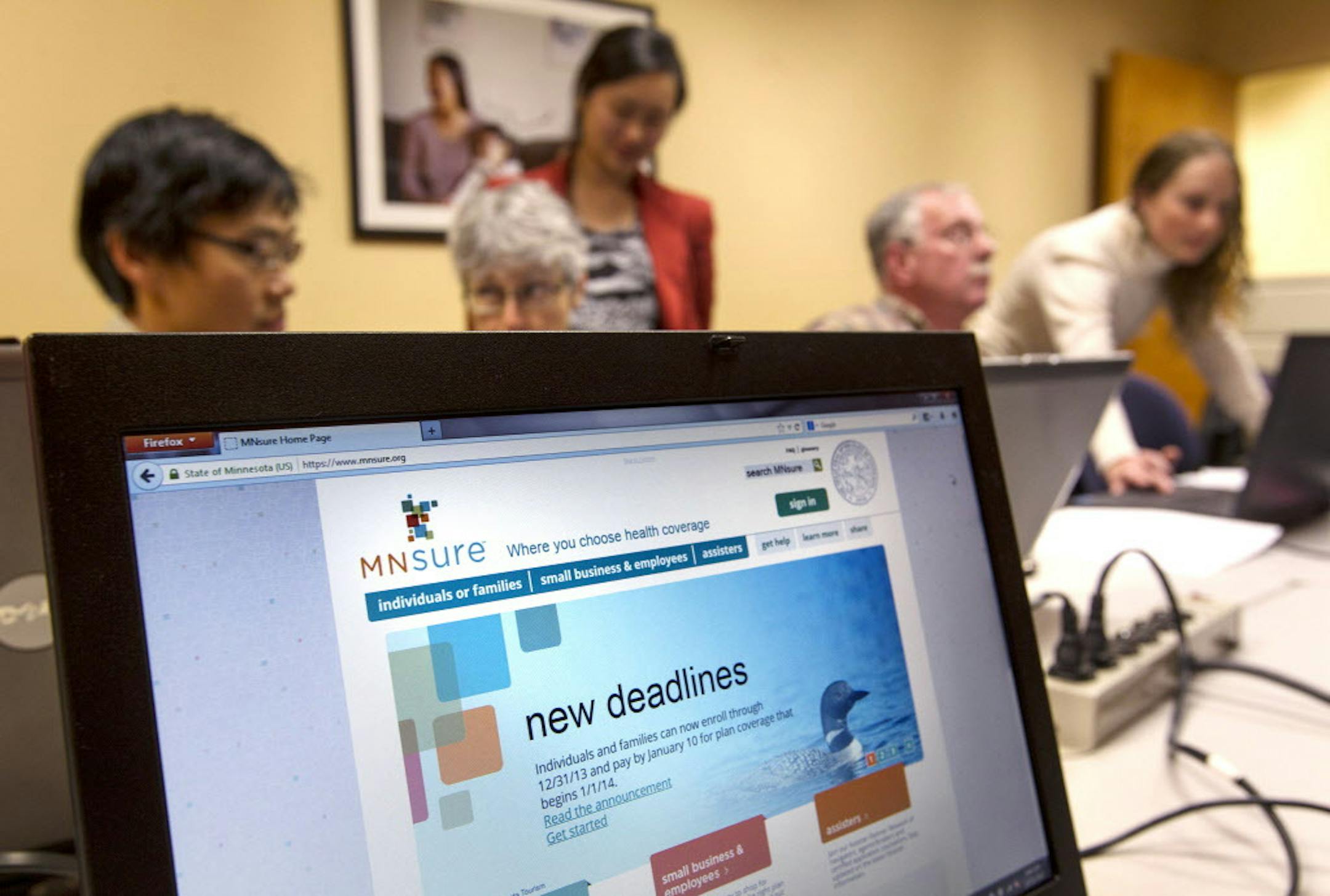
Sometime after the insurer PreferredOne submitted its proposed rates for the first year of the MNsure exchange, state regulators asked the company to consider lowering the numbers.
Ultimately, the insurer responded with "a total rate decrease of 37 percent," according to a July 2013 letter from an outside actuary to the company. Those final rates were the lowest in the Twin Cities — and across the country, in many cases — and helped PreferredOne to grab nearly 60 percent of the MNsure business.
Now, those subscribers face an average premium increase of 63 percent if they stay with PreferredOne — a yo-yo scenario that health policy experts say points to the challenge in setting prices under the federal health law. The big swing also suggests that the low prices were out of step with the reality of the business.
"This was the first year of a new market, so no one knew what they were bidding on," said Gary Claxton, a vice president with the California-based Kaiser Family Foundation. "That means it was hard to create the rates, and it was hard to review them."
Officials with Golden Valley-based PreferredOne, which isn't selling on MNsure for 2015, did not make anyone available for an interview for this story. The state Commerce Department did not provide an interview with actuaries who review health insurance rate filings.
In a prepared response to questions, Commerce said insurers file rates with the department, which checks for statutory rate and form requirements, including whether the amounts proposed are justified.
"Commerce asked all companies if they are offering the best rates they can to consumers," the department said in a statement. "PreferredOne made a business decision to offer a low-price strategy.
"Those rates were vetted by actuarial experts and were within reason," the department said. "Their growth exceeded their expectations. Another key issue turns out to be the lag in reimbursement in the federal government's program to pay for any high costs."


