

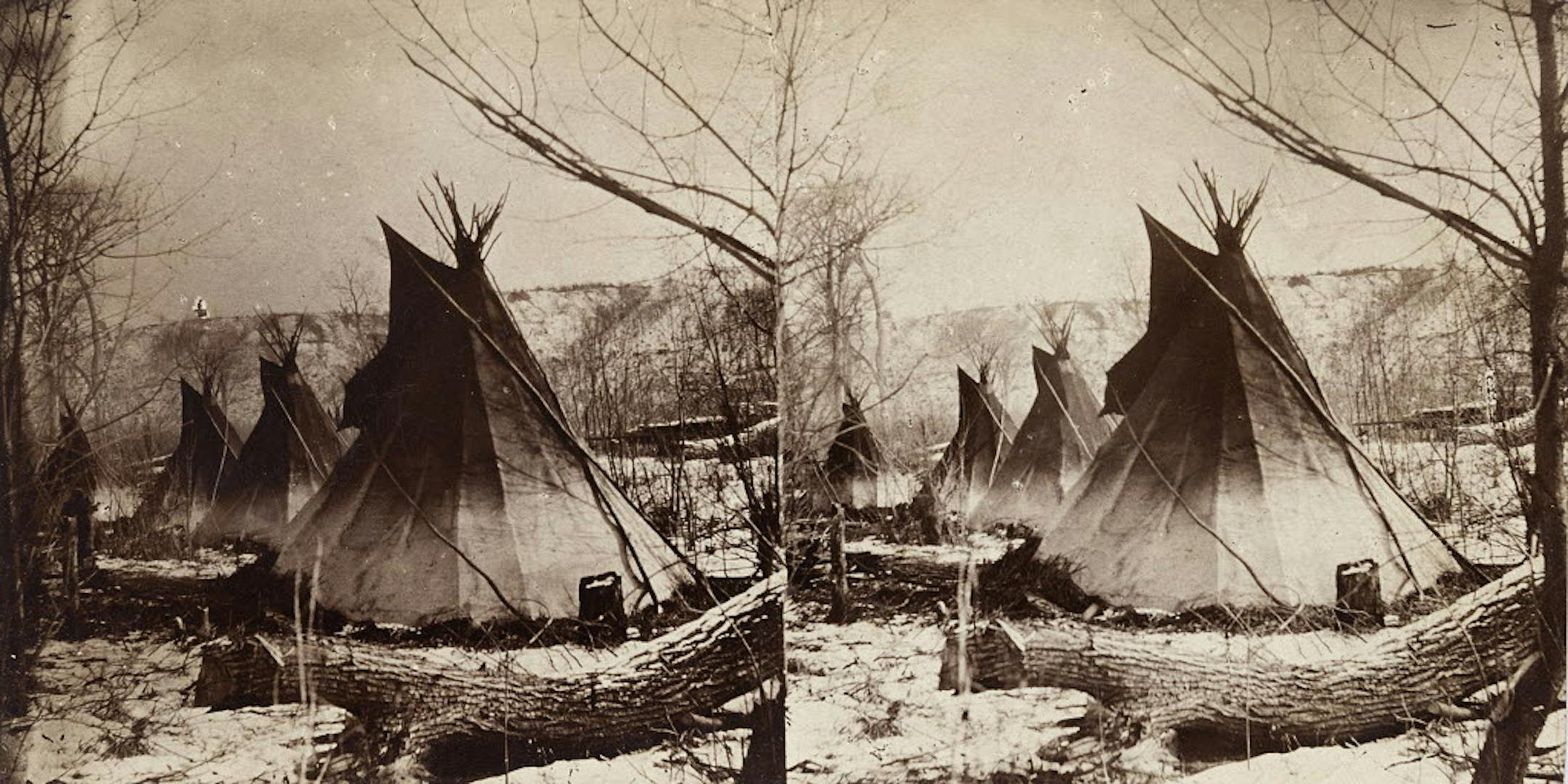
Amid sharp criticism from American Indian community leaders, the Minnesota Department of Human Services (DHS) has canceled plans to hold an event promoting adoption at Fort Snelling, where scores of Dakota people died while being held captive following the U.S.-Dakota War of 1862.
In recent days, leaders of some Twin Cities-area Indian nonprofits decried initial plans to hold the event within the larger area of Fort Snelling. They said the choice reflected a lack of understanding of the painful history still felt by descendants of the Dakota people who were forcibly relocated to the frontier fort. They also cited the ongoing trauma associated with the child protection system's separation of American Indian children from their biological families, which often severs connections to their heritage. In 2017, Indian children in Minnesota were 18.5 times more likely than white children to be removed from their homes and placed in foster care — among the greatest disparities in the nation, state data shows.
In a written statement Friday, DHS' top official overseeing children and family services said the agency has decided to move the Nov. 3 event to the Minnesota Zoo "after hearing from community partners who raised concerns about the location and its connection to painful historical events, especially for the American Indian community.
"We apologize to anyone who was impacted by the first choice of location … and for the inconvenience this change in location may cause. We are thankful for our partners' flexibility, and their unwavering dedication to Minnesota's children," Lisa Bayley, acting assistant commissioner, said in the statement.
Patina Park, an attorney and executive director of the Minnesota Indian Women's Resource Center, a Minneapolis nonprofit that assists adoptive parents and their families, had called the department's initial plans "grossly insensitive."
"As a Lakota woman, a mother, and someone who was adopted as a child, there are not enough words for me to express how distasteful this is to me," Park said in an interview before DHS disclosed the change. "The lack of empathy towards these experiences from dominant culture is a constant ache and injustice to our communities," Park added. She called Fort Snelling "a former concentration camp where children died."
Her concerns were echoed by several other leaders of the Twin Cities Indian community, who said they had urged the state and other event organizers to move the event elsewhere.
"There were [Dakota] babies that were born at Fort Snelling and died there in captivity," said Sharon Day, who is Ojibwe and is executive director of the Indigenous Peoples Task Force, which provides housing and substance abuse prevention services to Indian families.


