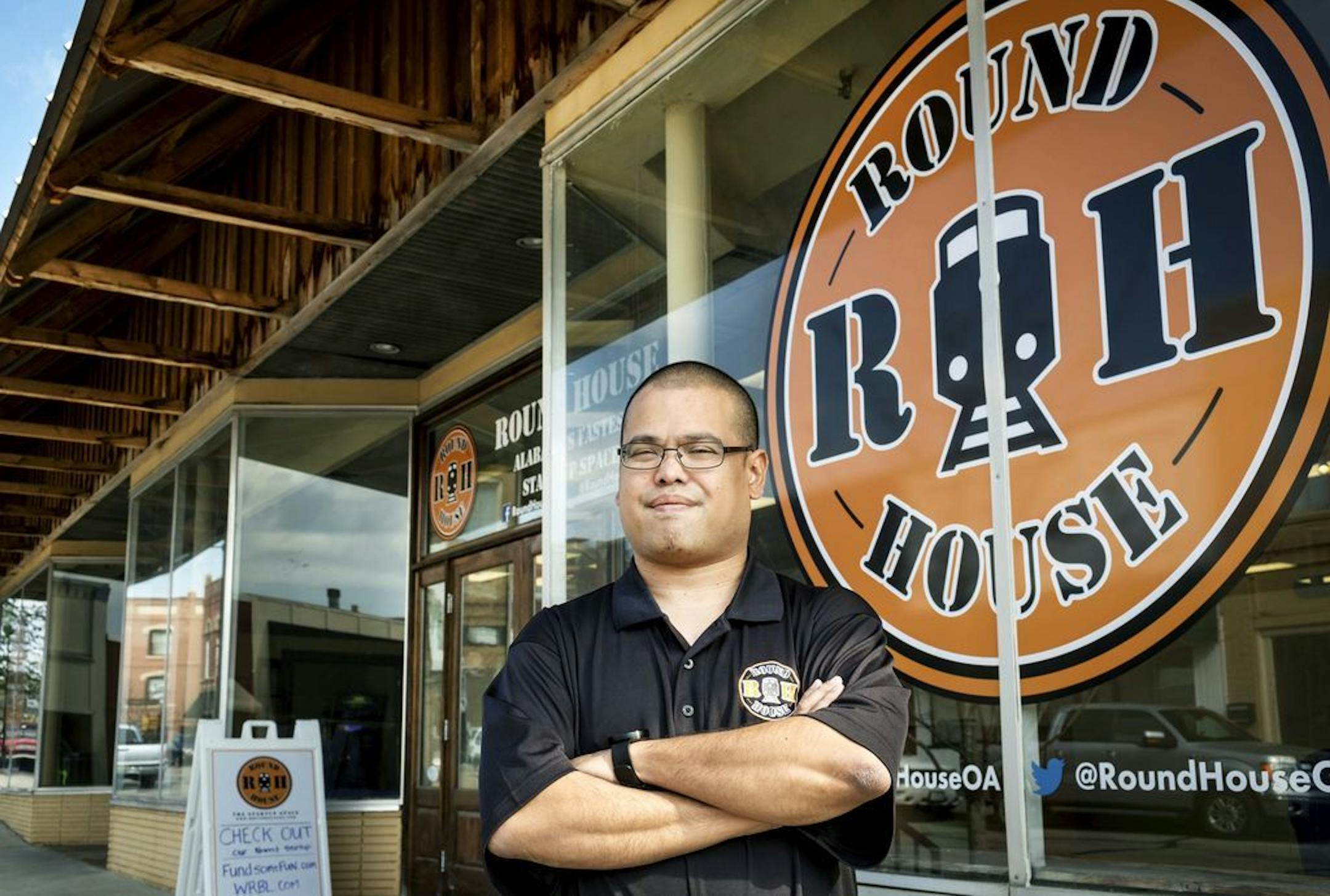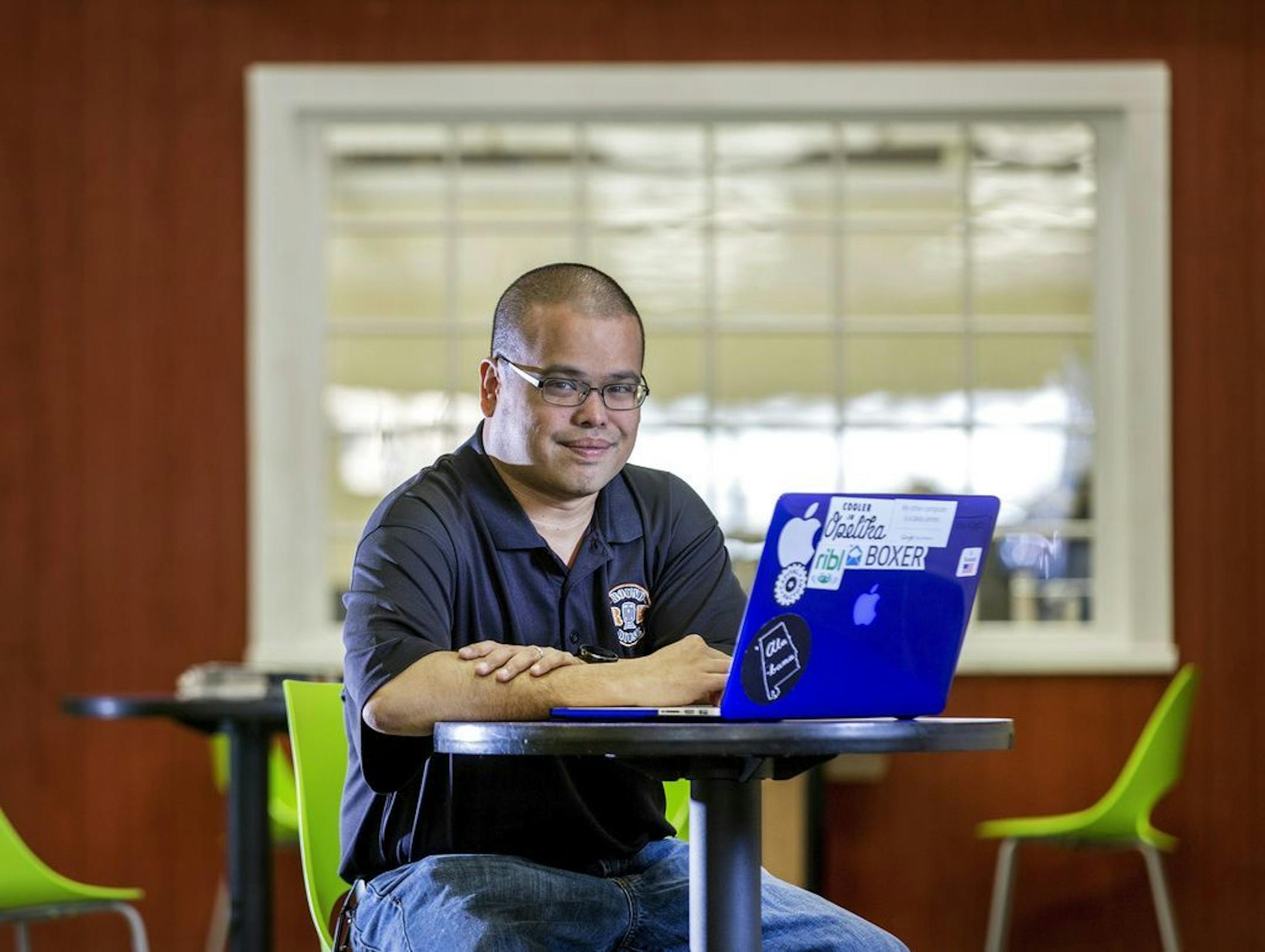
OPELIKA, Ala. — Looking back, there are so many reasons Kyle Sandler was able to separate so many people from so much of their money.
Sandler rolled into this old railroad crossroads at a time when Opelika (Oh-puh-LIE-kuh), — and nearly every other city in America — was trying to bounce back from the Great Recession. Opelika's downtown, dating to the late 1800s, was dotted with vacant buildings. The city of 30,000 people needed a boost.
Soon, it seemed, everyone who mattered had heard Sandler's captivating story: He was a one-time Google executive who got rich on the West Coast and, in a stroke of good fortune, picked their east Alabama town as his new home.
Sandler unspooled a steady patter about startups and high-tech innovation. He was always looking at his cellphone, always seemed to be in search of the next big thing. He drove a sporty Jaguar in a town full of pickups and had, in his own words, "a heart of gold."
So when Sandler opened a business incubator called the Round House and proclaimed himself its "conductor" — a visionary who would guide entrepreneurs toward riches — people bit. Their faith in him only deepened when Sandler aligned himself with local John McAfee, an early pioneer of internet security, and landed national media coverage for an Opelika teenager with an idea for a new kind of vending machine said to be worth millions.
"Kyle was a master. I think he could get money out of a guy living under a bridge," said Chuck Wacker, one of dozens of locals who invested in the Round House. "He was that good a promoter and a pitchman."
In all, authorities said, Sandler raked in investments totaling about $1.9 million from more than 50 investors, all the while diverting their money for his personal expenses such as child care, rent and cars.
"He swindled an entire community," said Amanda Senn, deputy director of the Alabama Securities Commission.