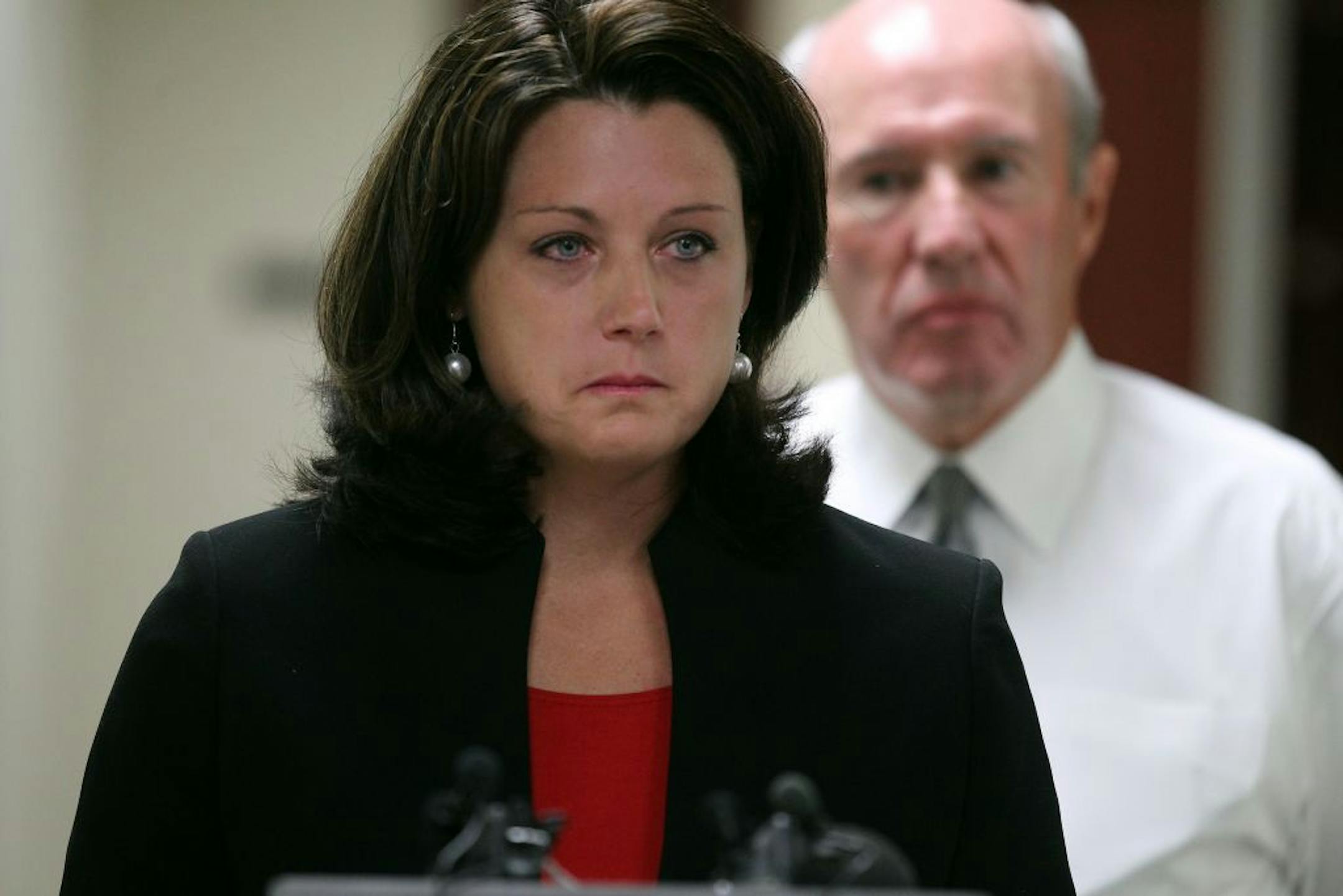
The case against Todd Hoffner, the college football coach who is accused of engaging in child pornography, has produced some difficult choices for media organizations in this era of viral news.
The Star Tribune's policy, like that of many organizations, is not to name individuals until they are charged unless there are extenuating circumstances or if it's a high-profile, public case in which the facts are widely known.
Crime suspects sometimes are held for a certain period of time without charges, and the reputation of an innocent person can be irreparably marred if he or she is named but never charged. For that reason, when the Star Tribune faces the question of whether to name a suspect, the decision must be made by a top editor.
Hoffner, the head football coach at Minnesota State University, Mankato, initially was arrested before he was charged, so whether to name him was the first question of the evening. Upon examining the details, we knew that he had been publicly escorted off his practice field.
Given his position, the fact that he had been arrested was public and widely known, so much so that an initial Internet search produced half a dozen news stories, including the details of his arrest. We chose to name him in the first story about his arrest.
A far more difficult decision came when the charging documents were actually released to the public, citing the nature of the videos Hoffner had of his three children dancing naked on his cell phone. Our policy is not to name the victims of alleged sexual abuse or pornography if withholding their names would protect their identity. (Adult victims sometimes request to be named.)
We posted the first story related to the two felony charges against Hoffner on our website without including the fact that the children in the videos on his phone were his own. Then the debate began.
We read the charging documents and the description of the activity depicted in the three videos. The editor in charge of the story argued that the heart of this case would center on the fact that these were family videos, and it would be impossible to cover the case without citing that fact.