

WASHINGTON – It's been exceedingly hard lately for Somali-Americans to wire cash back to families in their homeland after the main California-based bank that facilitated the bulk of the business halted Somalia transfers Feb. 7.
The bank stopped doing business in Somalia after the Treasury Department issued a cease-and-desist order last year because bank officials could not adequately prove all of the money being wired from the United States was going to legitimate sources.
Of the roughly 30,000 Twin Cities Somali-Americans, about 80 percent use money-service businesses to send money to the Horn of Africa, which is bereft of both a stable government and a banking system.
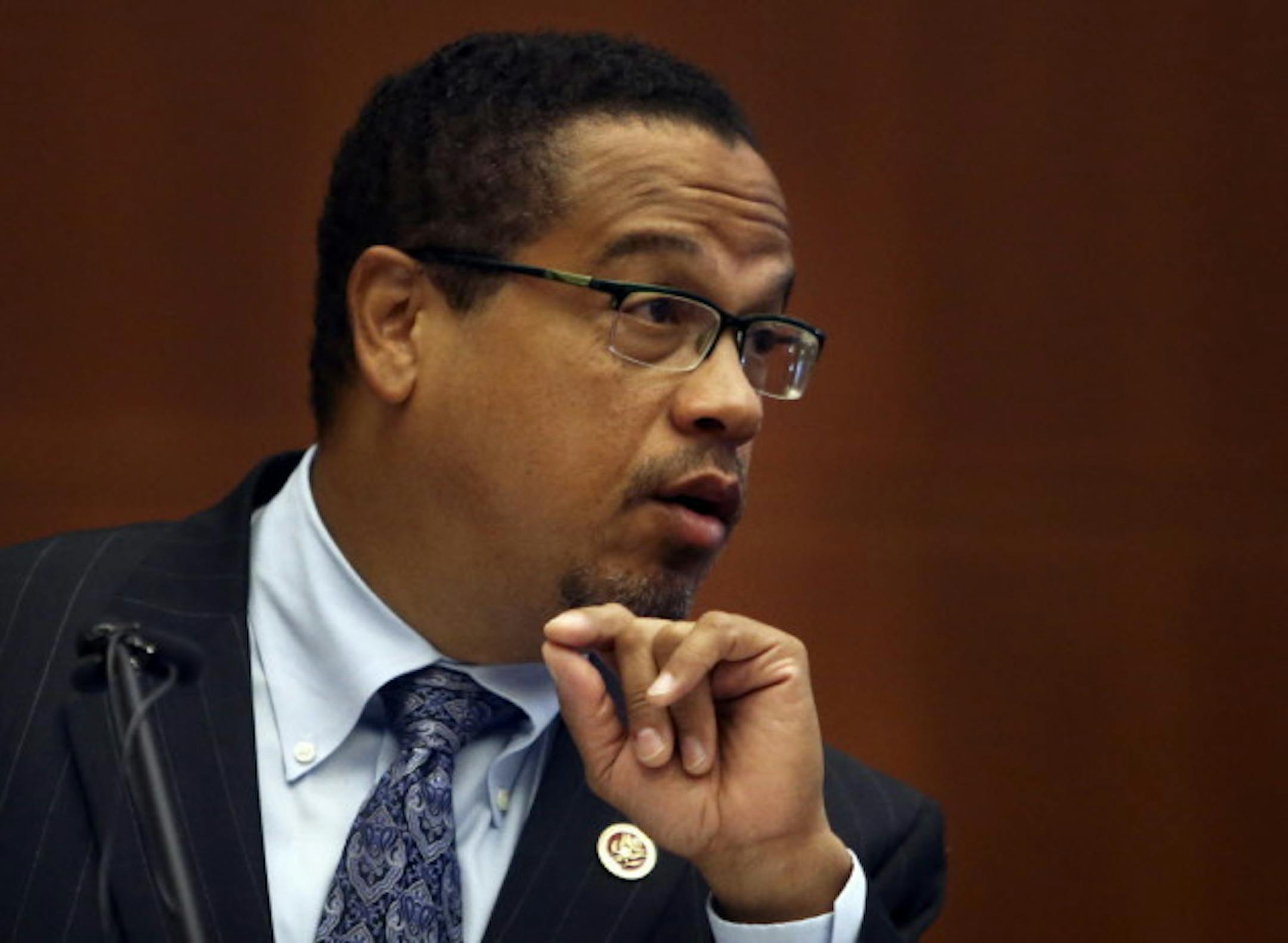
U.S. Rep. Keith Ellison and U.S. Sens. Amy Klobuchar and Al Franken are concerned that the issue is creating an even less stable environment — both at home and abroad — and that sending money is a net positive to come from America in a deeply troubled place ridden with terrorist organizations.
Trouble is, the politicians may have a hard time getting anywhere.
The senators, along with Ellison and a few other House members, fired off letters asking for meetings at the State Department so they could explain that a seemingly small banking problem has the potential of escalating into a larger diplomatic one.
"Is there any doubt that this situation is grave and getting graver?" said Ellison, a Democrat representing Minneapolis. He noted that 40 percent of Somalia's gross domestic product comes from banking remittances from abroad. "Do we really want a situation where we have a fragile state and we pull the rug out from under them at a time like this?"
A meeting last week with eight federal agencies and departments — including State and Treasury and the Federal Deposit Insurance Commission — did not go well, according to members in the meeting. The National Security Council did not even attend the meeting.
 djoles@startribune.com](https://arc.stimg.co/startribunemedia/6XCBN5FEBPVDRKFWK57O2IWMJQ.jpg?&w=1080)


