

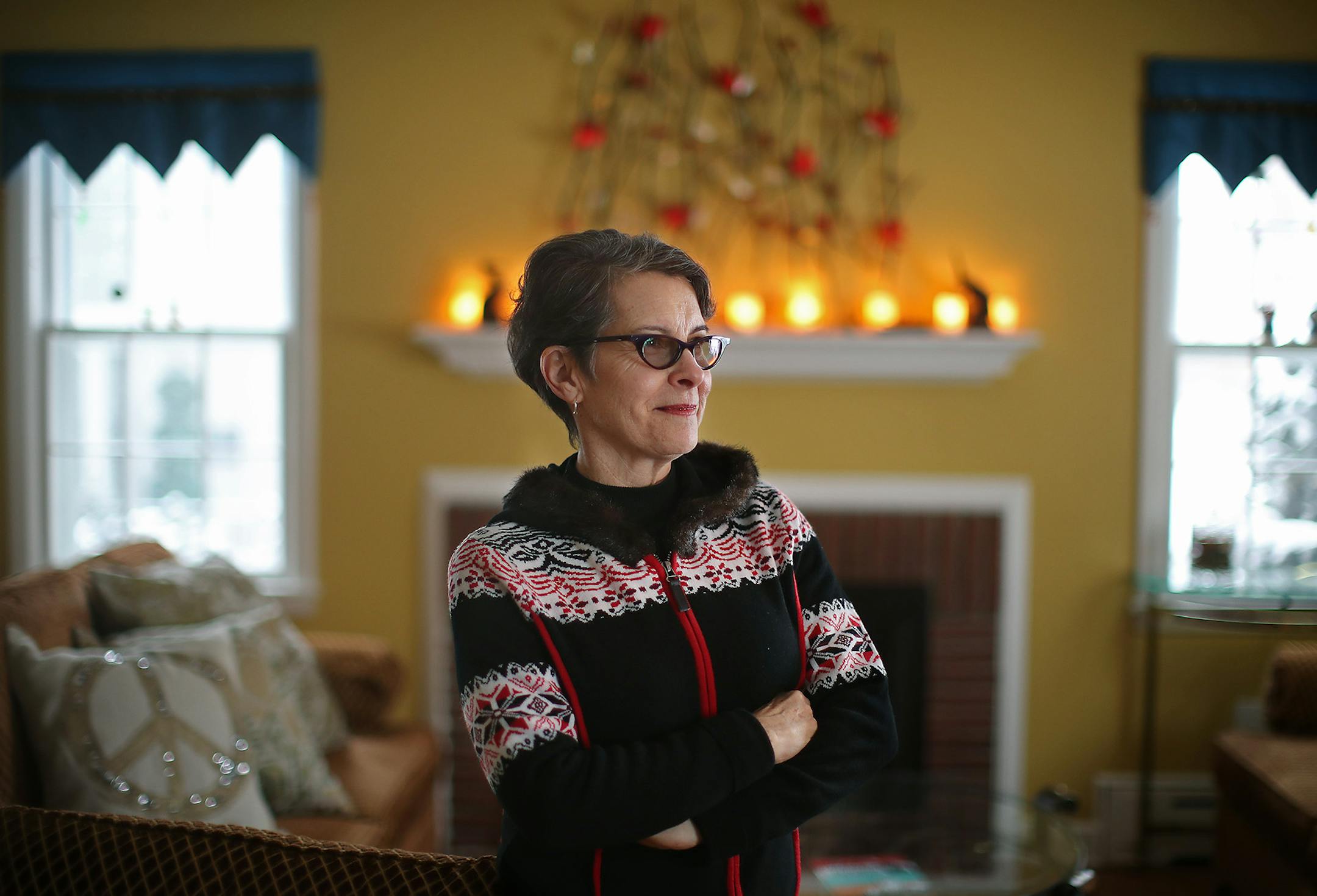
Days after Kristina Lemon and her wife moved into their house near the University of St. Thomas, she watched a mostly naked young man "with a keg, running down the alley." It hasn't gotten much better since, she said.
"It's exhausting," Lemon said after several years living near the state's largest private university.
As St. Thomas plots its future growth and building needs, Lemon's frustration with the university's recently approved long-range facilities plan highlights a complex and sometimes prickly relationship between the university and its neighbors — one that stems from decades of neighbors pleading for more on-campus housing while also dealing with off-campus student behavior, increasing traffic and related issues.
In November, St. Thomas' board of trustees approved a plan that, if fully realized at a cost estimated in the hundreds of millions of dollars, would build 14 academic, residential and parking projects over the next decade. The plan currently includes no timeline, but St. Thomas officials say details about what gets built first probably will come this year as the university gauges which projects grab donor interest and how much borrowing St. Thomas can sustain. To some neighbors, that answer falls short.
"They haven't lived up to their promises," said Alyssa Rebensdorf, an attorney who lives two blocks south of St. Thomas' main St. Paul campus. She points to another plan, from 2004, in which the university intended to build a "residential village" and eventually move to housing 60 percent of St. Thomas students on campus. Today, that number is 43 percent.
School is trying
Yet other neighbors seem willing to cut the university some slack in its efforts to squeeze as many of the school's 6,111 undergraduate students onto campus as possible.
Nearby residents Cathy Plessner and Noelle Jacquet-Morrison say the university's plan is a sincere effort to address neighbor concerns while balancing the school's needs.
"St. Thomas is trying," Jacquet-Morrison said of the plan. "Some pieces are not adequate and housing is one of the biggest challenges. But there has been animosity over the past 30 years and some neighbors haven't been able to move on from that."


