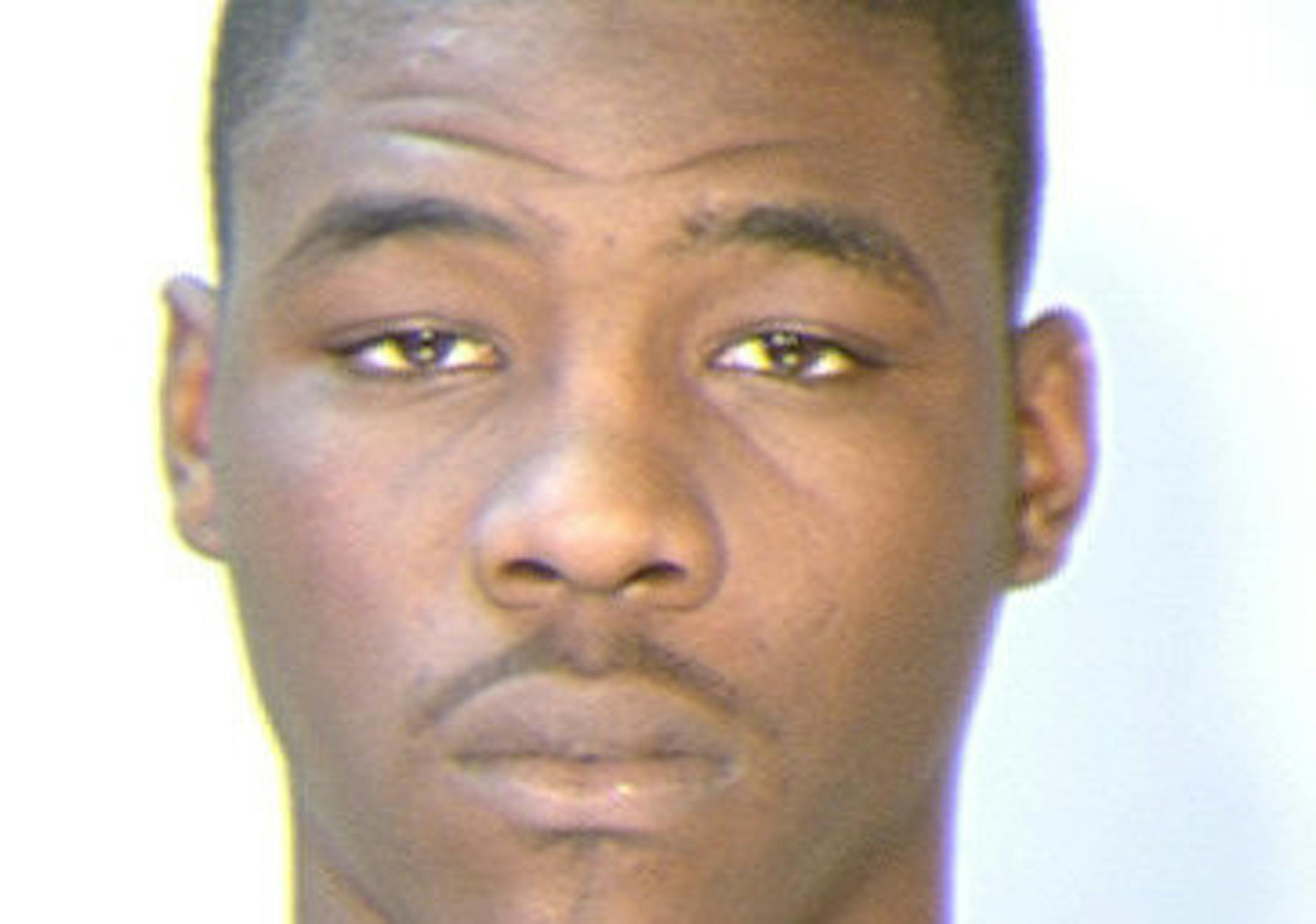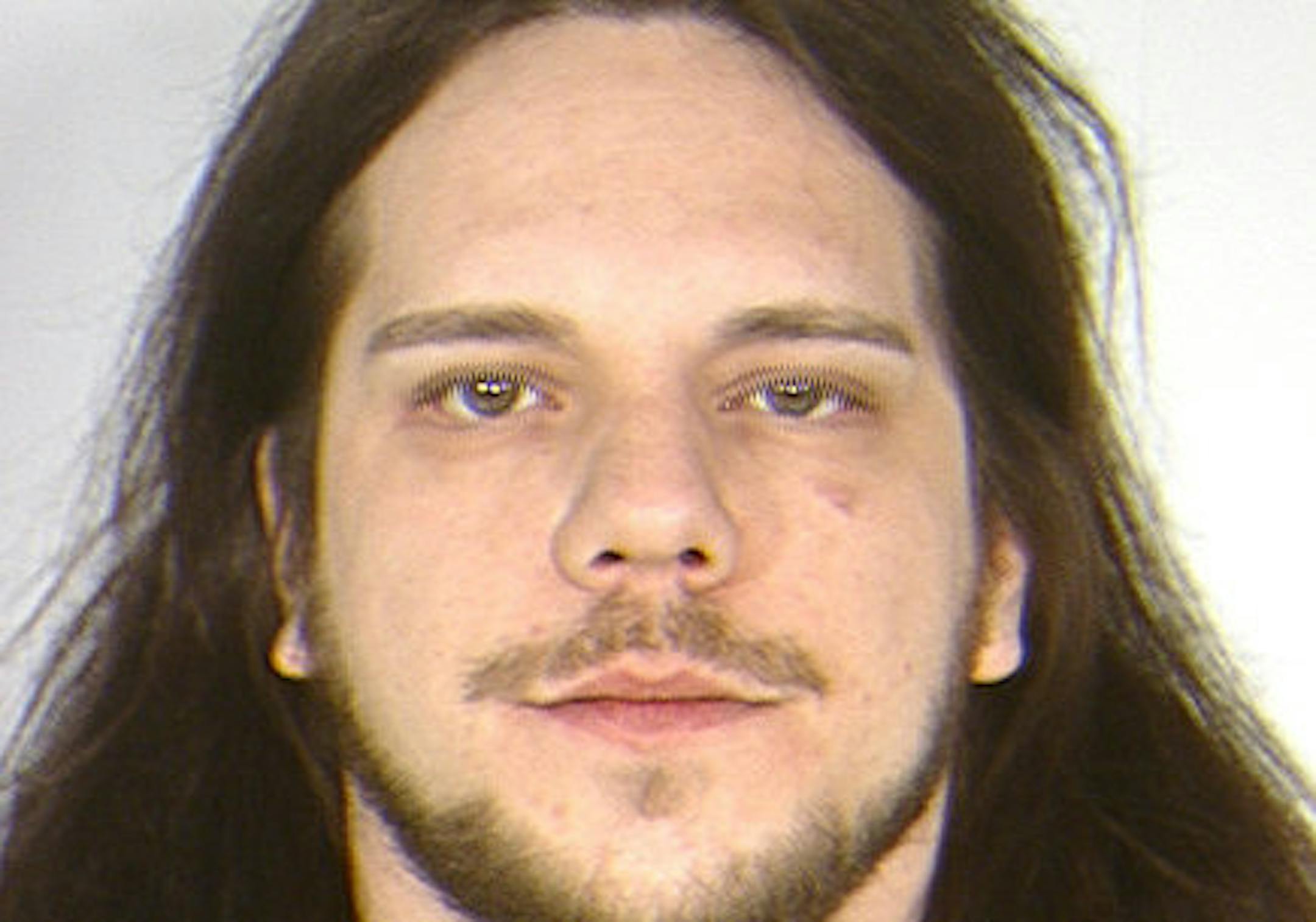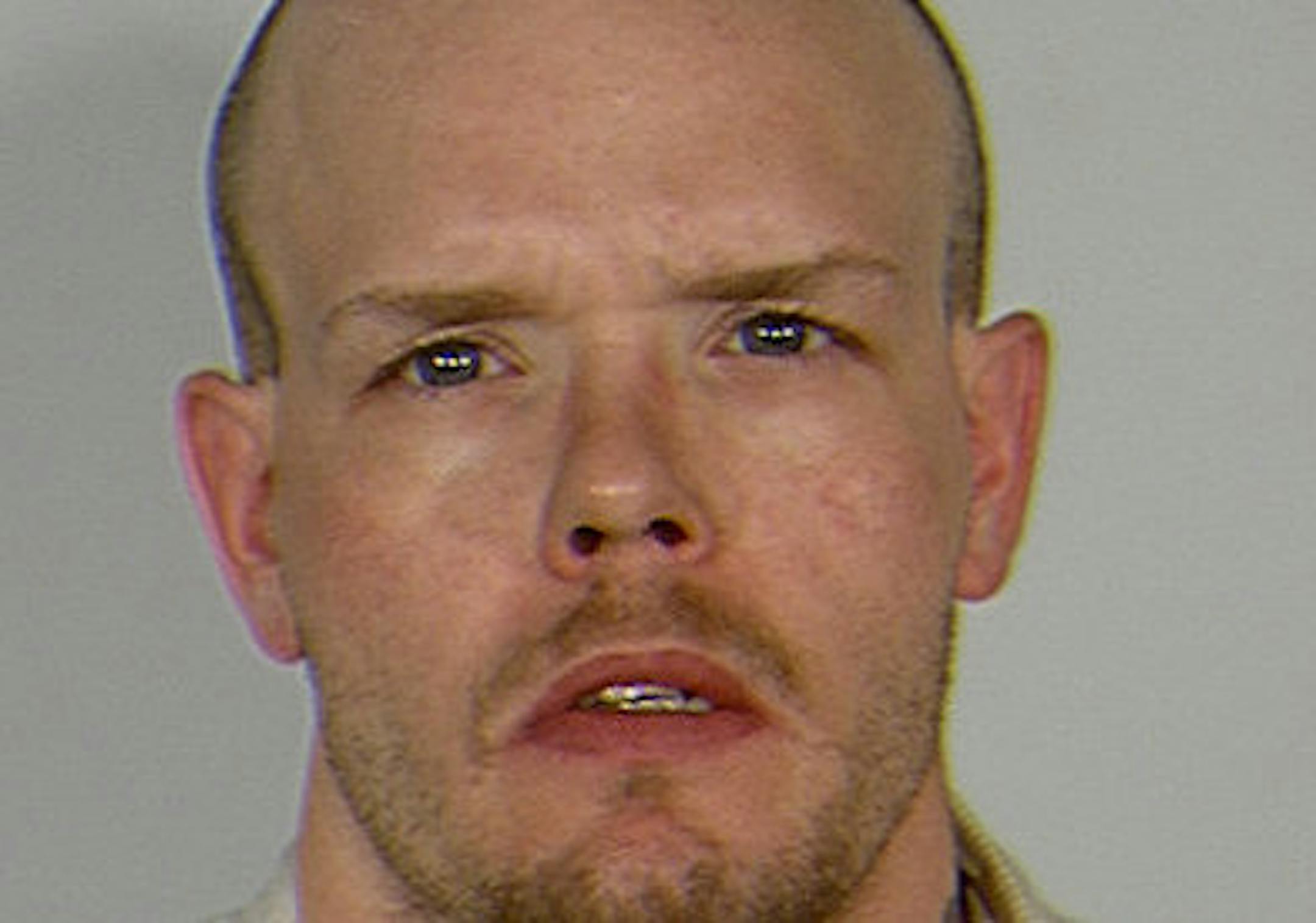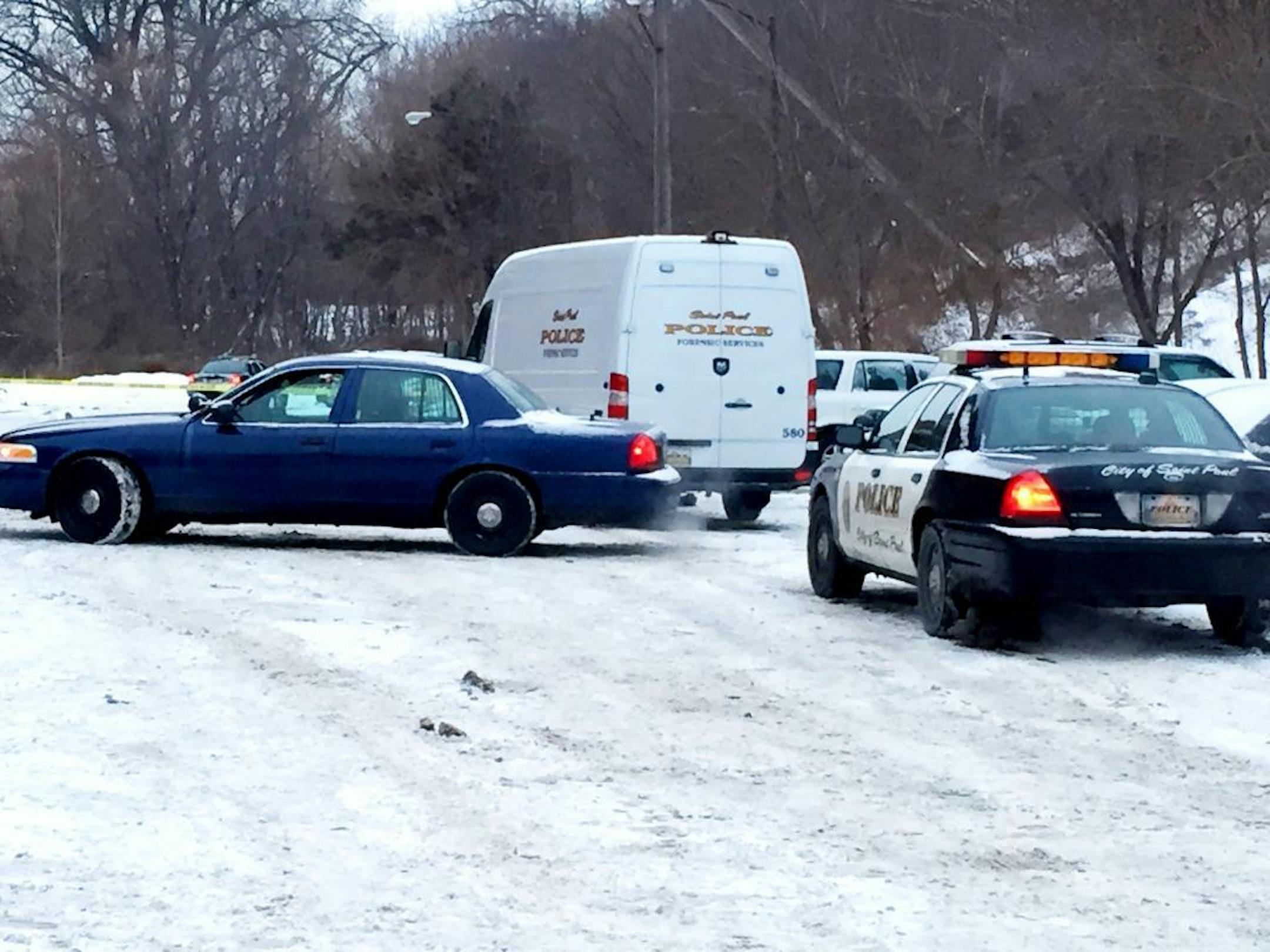
No other law enforcement agency in Minnesota has used deadly force more often over the past six years than St. Paul police.
Beginning in 2009, St. Paul officers have shot and killed 11 men, nine of whom were people of color. By comparison, Minneapolis police were involved in at least four fatal shootings, according to state Bureau of Criminal Apprehension data.
In every St. Paul case, police said the suspect posed a threat to officers or the public.
"I believe our decisionmaking is very good," said David Titus, president of the St. Paul Police Federation, which represents every St. Paul officer involved in a shooting. "It's the suspect's actions that dictated an officer's response."
But now, just weeks after the fatal shooting of a 24-year-old black man near the State Capitol, and against the national backdrop of increased tension and scrutiny of fatal encounters between police and black men, community leaders are asking hard questions about the department's use of deadly force and whether any of those killings could have been avoided.
"Did all of these 11 people have to die?" asks Chuck Samuelson, executive director of the American Civil Liberties Union of Minnesota. "What is it about these encounters that is different from 20 years ago?"
Law enforcement officials say the reasons for the spike aren't clear. But what is certain is that fatal shootings by police across Minnesota are on the rise — 46 people were killed from 2009 through 2013, more than twice as many as were killed in the five years prior, according to BCA data.
From 2004 through 2008, St. Paul police shot and killed only two people; Minneapolis police killed four. But BCA data may not be complete because agencies report their own shooting totals to the state.