

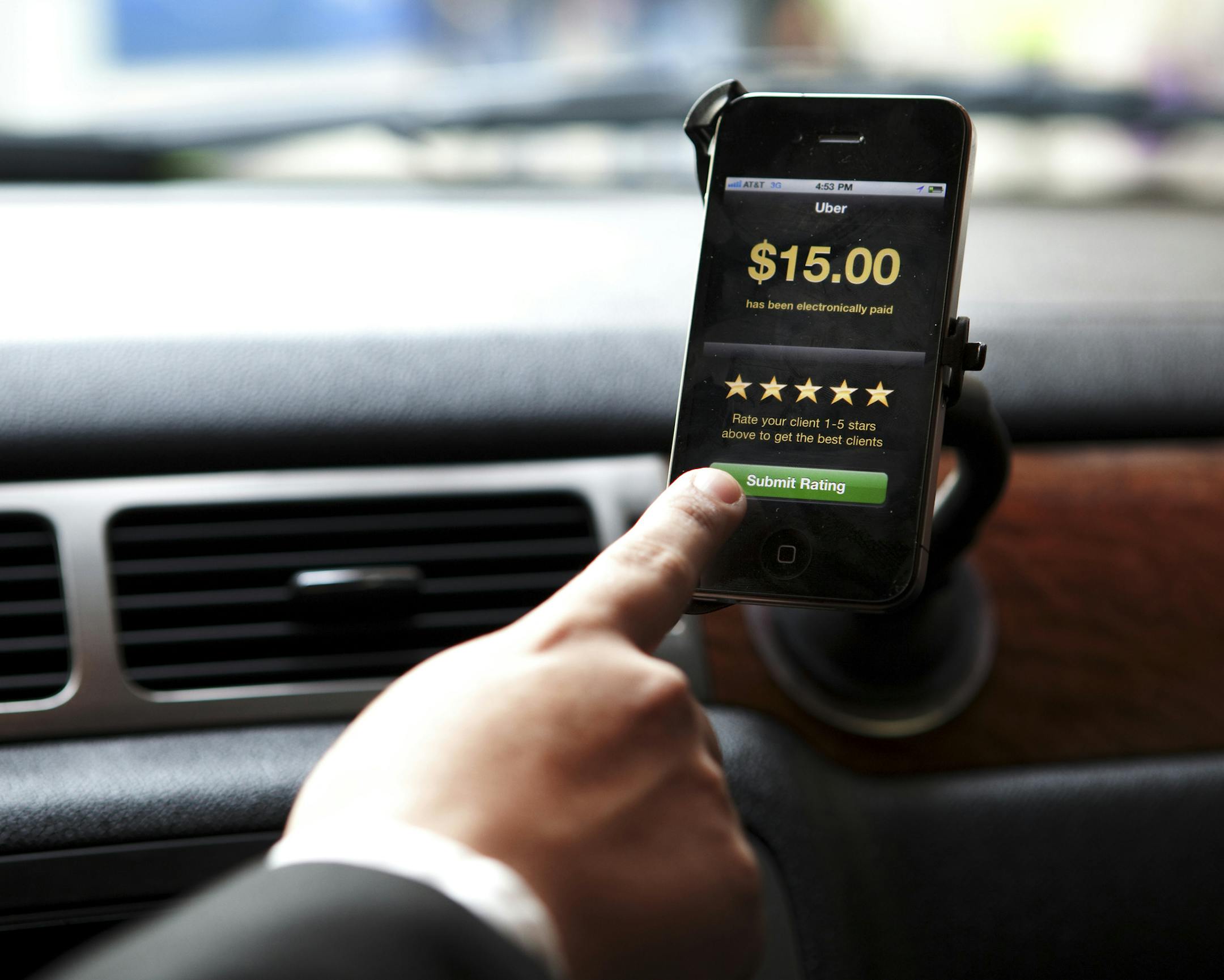
St. Paul officially entered the realm of the ridesharing world Wednesday as the City Council approved new regulations for companies such as Lyft and Uber that compete for customers with traditional taxis.
The regulations — actually an entirely new chapter in the city's legislative code — dictate licensing and insurance for so-called transportation network companies (TNCs), inspections of the vehicles used, distinctive car signage for easy identification, and standards for drivers.
The council also approved a $35,000 licensing fee for transportation network companies that do business in the city.
The regulations are similar in most respects to those passed this summer in Minneapolis, where city officials believed that ridesharing drivers and vehicles needed to be licensed and inspected from the start.
That wasn't true in St. Paul, where vehicles without meters (such as those in TNCs) aren't classified as taxis and therefore didn't need licensing.
But concerns had been expressed about the public accountability of such businesses, as well as ensuring a competitive playing field for the highly regulated taxi industry. For instance, Uber didn't want drivers' information to be shared publicly, for fear of losing them to other companies.
Unlike taxis, TNCs use smartphone apps to connect riders with private citizens who are willing to drive them to their destinations. Lyft has been offering service in St. Paul for more than a year.
Wednesday's public hearing, which came just before the council vote, was the third held on the matter since October. This time, representatives of both Uber and the cab industry said they essentially were satisfied with the city's regulations.


