
St. Lawrence Island, a birding wonderland

Migrating birds gush past a remote Alaskan island.

January 31, 2017 at 4:18PM
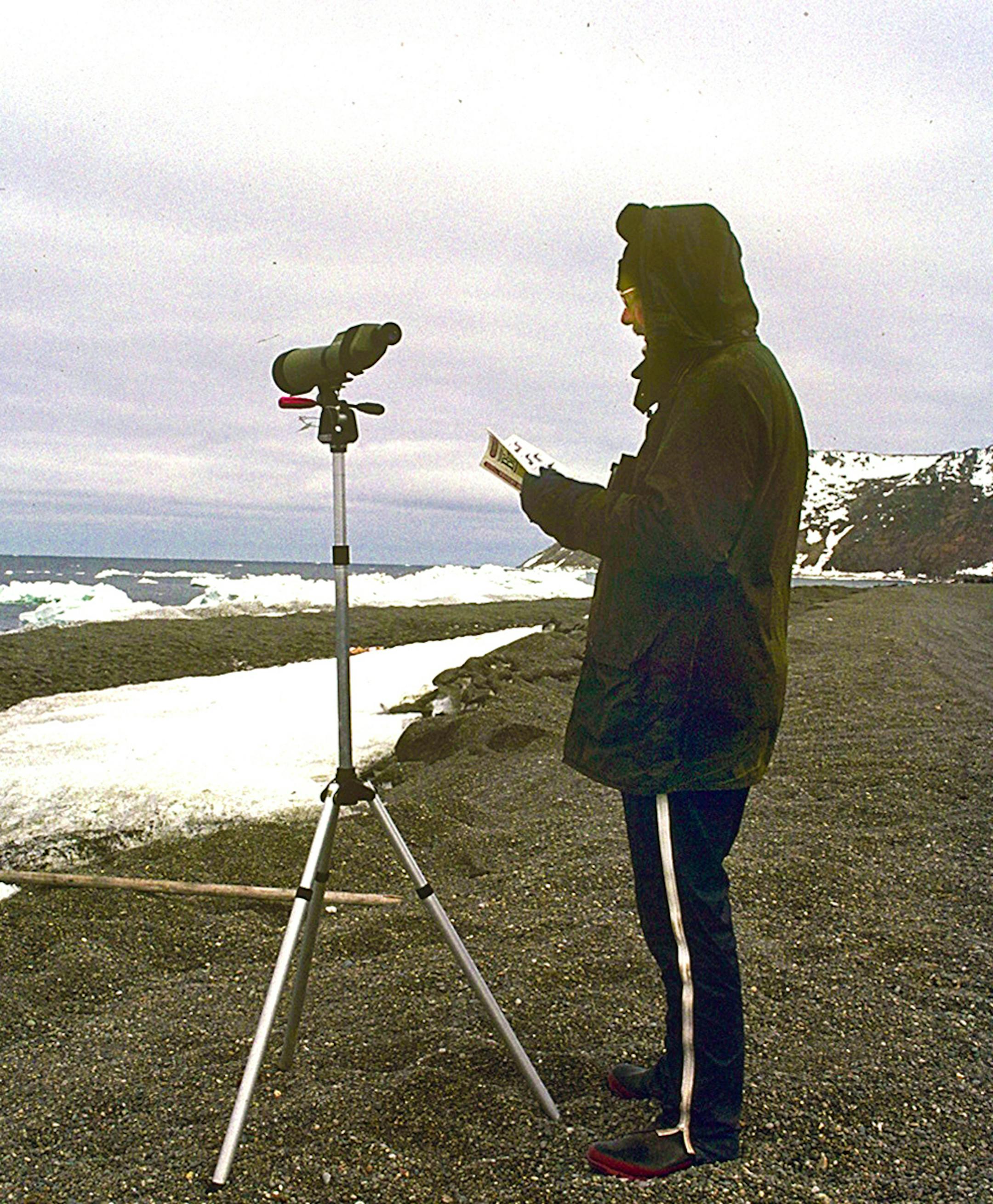
Birder on St. Lawrence Island in Alaska looking for clues to bird identification.
A birder on St. Lawrence Island in Alaska looked for clues to bird identification. (The Minnesota Star Tribune)

There really is a place in Alaska from which you can see Russia.

It's the northwest corner of St. Lawrence Island, an hour's flight into the Bering Sea from the Nome airport.

Stand at the shore of the island village of Gambell. If, on a rare sunny day, you can look beyond the thousands of birds flying by, the sun will gleam on the snowy mountains near Provideniya.

The island is far closer to that Russian city than to the Alaskan mainland.

A book of Alaskan place names says St. Lawrence Island was discovered by Cmdr. Ivan Ivanovich Bering in 1728. He was sent east from Russia by Peter the Great to explore western America. Bering saw the island on Aug. 10, St. Lawrence Day, hence the name.

Actually, the island had been "discovered" and settled a few thousand years earlier by Siberian Yu'pik people.

Countless generations of islanders helped make Gambell the birding wonderland it is.

The Yu'piks lived by the ivory points of their spears. They took (and continue to take) whale, walrus, seal, fish and birds.
Bones from the mammals became buried on the village edge. Organic matter stimulated plant growth. Vegetation was attractive to songbirds blown onto the island from migration routes along the Russian shore.

Village ivory carvers over many years dug deep pits there, searching for walrus skulls with tusks attached.

Birders call these burial grounds the bone yards. They methodically skirt pit edges, searching for stray Asian birds.

Or, bored with lack of action, they walk to that northwest corner. There, an everlasting stream of birds can be seen 24 hours a day. This is migration and nesting season, late May, early June, no darkness, only daylight.

The birds are in a rush because their breeding season is short. Birders feel the same way.

On my first visit I stood at the shore with several experienced birders.

"Yellow-billed loon," someone said, almost matter-of-factly.

Where? How do you know? How do I pick it out of the hundreds of birds flowing like water from a huge hose? Out there, 300 feet away, maybe more. Pointing and saying "there" would not be enough. Not that anyone wanted to stop looking long enough to do that.

Eventually, I could, with error, separate the common and thick-billed murres, murrelets, guillemots, auklets, loons and puffins.

We flew to Gambell from Nome in a single-engine plane. Broken sheets of ice covered the sea. The pilot said the orange survival suits in the back of the plane were jokingly called body markers.

On that first visit, friends and I stayed in an old house where the indoor and outdoor temperature were the same. It was windy, wet, foggy. You shipped your food ahead of your arrival. One day my big meal was a can of tuna and an unheated can of Hormel chili, mixed.

But the birds were amazing. I went back three times. Saw Russia once. Missed the yellow-billed loon on every trip.

Read Jim Williams' birding blog at startribune.com/wingnut.

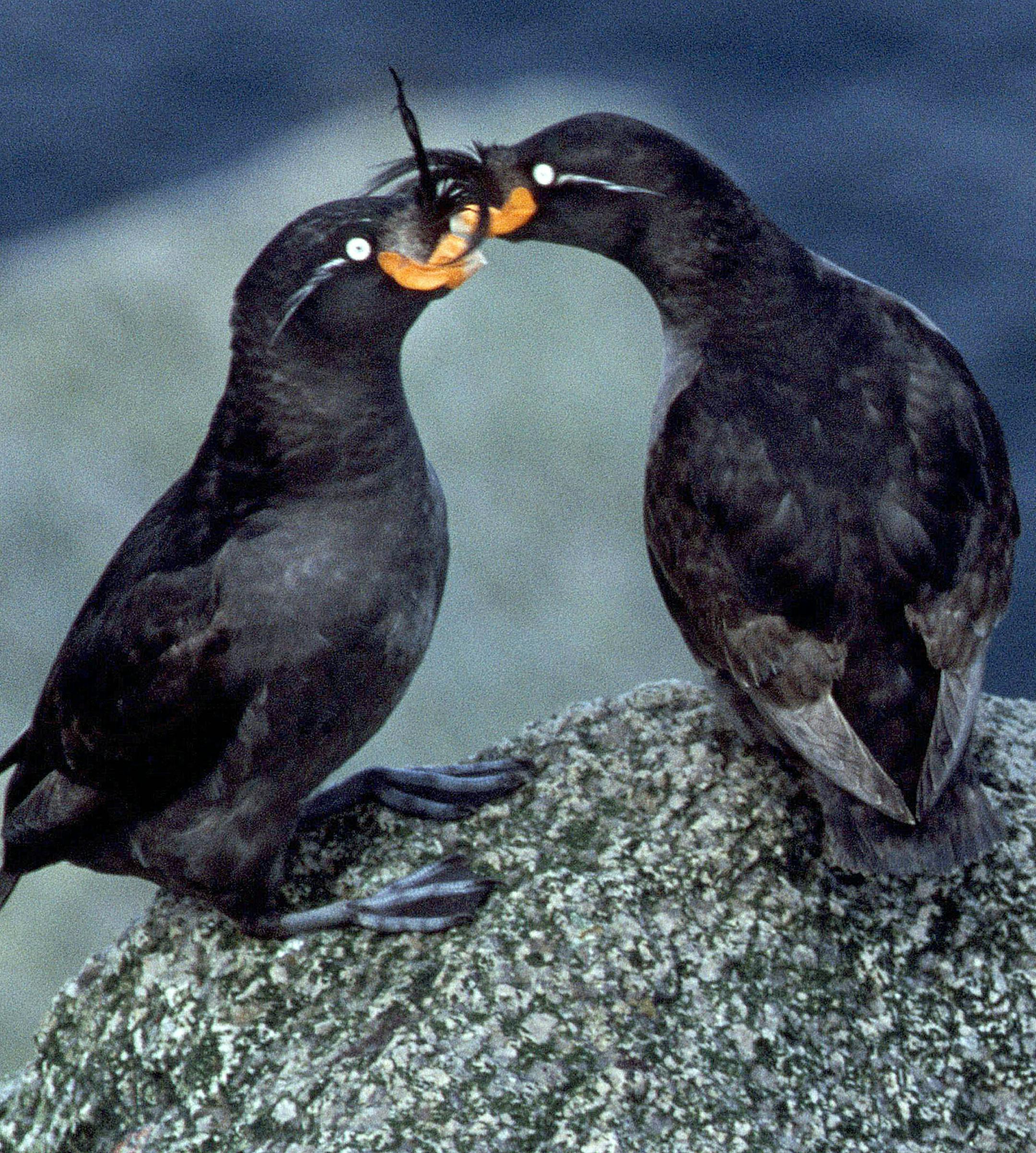
FILE - This June 2007 file photo shows two crested auklets on a cliff on St. Lawrence Island, Alaska. Lydia Apatiki, like generations of St. Lawrence Island Yup'ik Eskimo women, has created a coat from the skins of crested auklets, a bird found by the millions along the cliffs of her Bering Sea home. (AP Photo/Hector Dougals, File) ORG XMIT: AK501
Two crested auklets on a cliff on St. Lawrence Island, Alaska. The remote island attracts serious birders, many willing to pay per-person tour prices ranging from $3,600 to $7,000, not including airfare, and to endure less than ideal accommodations. The island lacks infrastructure for the casual tourist. (The Minnesota Star Tribune)
about the writer

about the writer

Jim Williams, Contributing writer