Are we there yet?
Can women finally chuck the feminist politics and just lean in, along with billionaire Facebook CEO Sheryl Sandberg, confident that success is ours to seize?
Probably not. For most women there's the daily 9-to-5 with the kid care hassles, office wrangles, 75-cents-on-the-guy's-dollar salaries, self-doubt and nagging questions about whether there might be more to life, if only.
If the women happen to be artists, there's more useful advice than "lean in" to be found through the Women's Art Institute. For 15 years since its founding by Minnesota artists Elizabeth Erickson and Patricia Olson, the institute has challenged and nurtured women seeking to refine and focus their art, in part through a monthlong summer seminar co-sponsored by St. Catherine University and Minneapolis College of Art and Design.
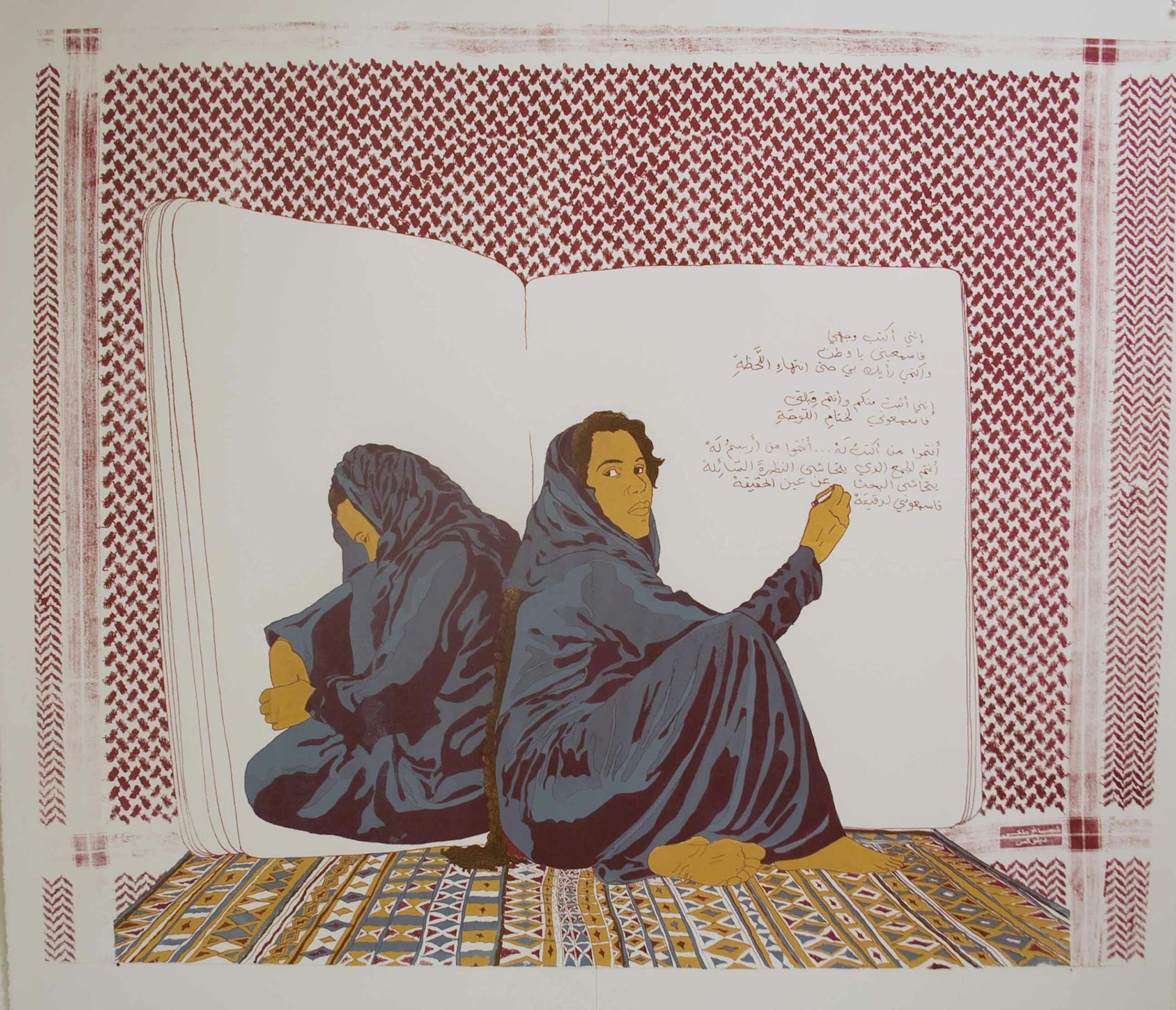
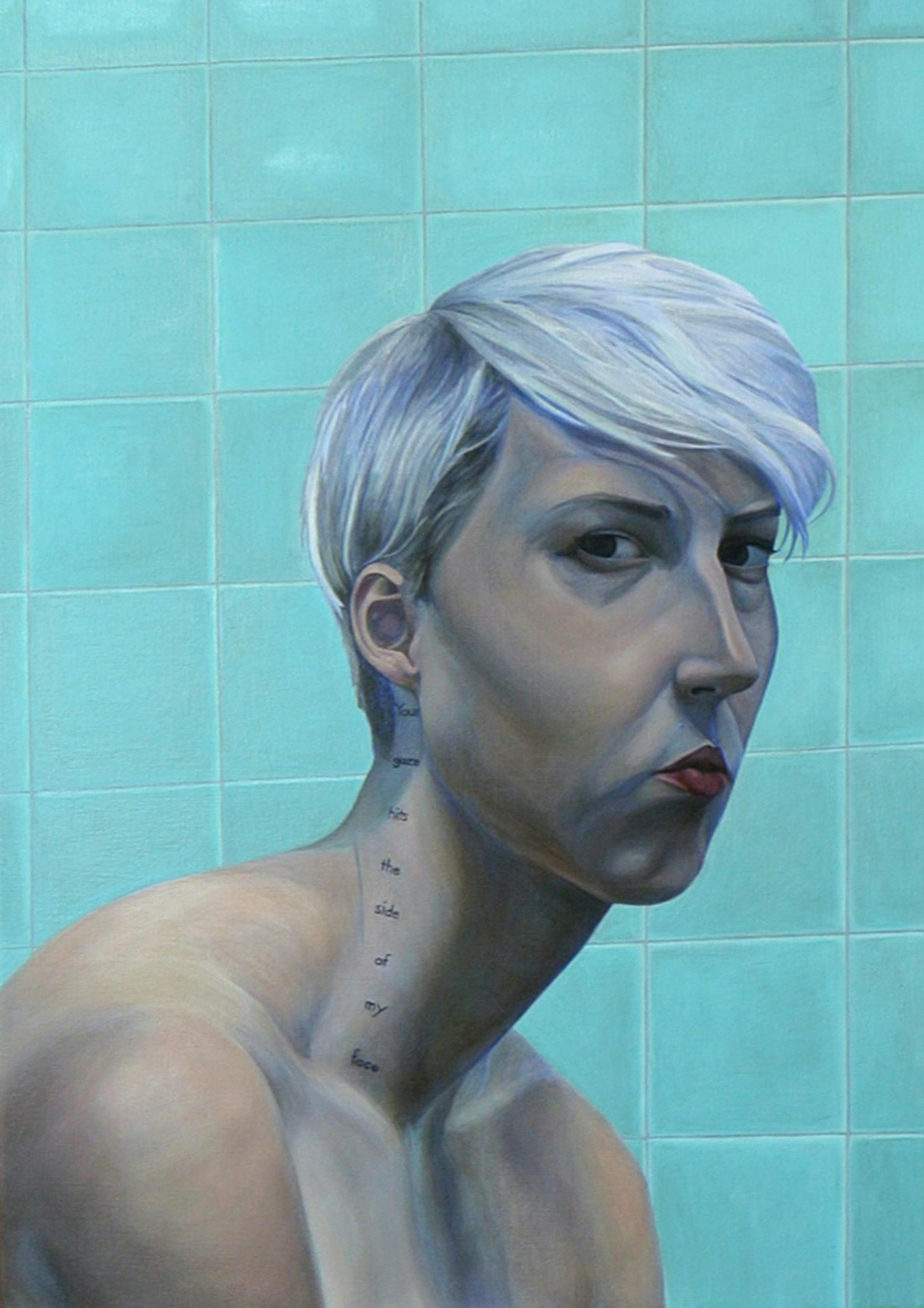
"How to Be a Feminist Artist," a smart show organized by Erickson and Olson that's on view at St. Catherine through March 23, offers a wide-ranging sample of work by 11 institute participants. The work is nuanced and potent, even when dealing with topics as difficult as U.S. military deaths, abuse, male-female power struggles and the role of women in Arabic cultures. There are also personal images, abstractions and playful diversions.
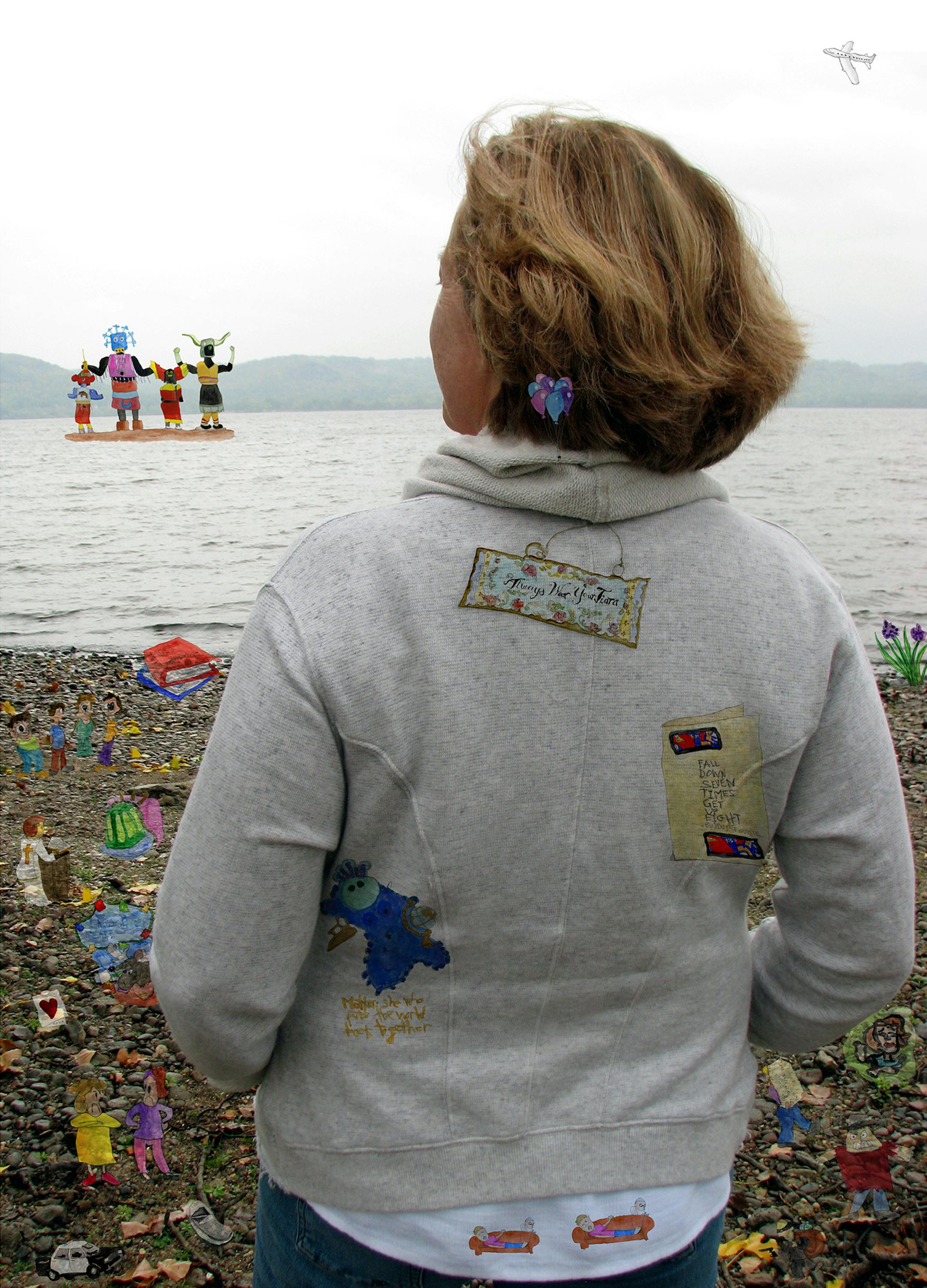
The most emotionally affecting piece is "Suicide Survivors' Club: A Family's Journey Through the Death of Their Loved One," a series of little books designed and produced by graphic artist Laurie Phillips about a family's emotional upheaval following the suicide of a husband and father of three. Each book tells the story of one survivor in simple, moving words, the mother tangled in legal and survival problems, the college-age daughter emotionally derailed, sons ages 5 and 7 drifting between play and incomprehension.
Phillips' imaginative watercolors, shifting perspectives and whimsical cartoons set just the right tone, conveying the tragedy's pain and resolution without sentimental pathos. In a remarkable outburst of do-it-yourself therapy, several gallery visitors on a recent morning paused to read the little books and then began spontaneously talking about them with other visitors.
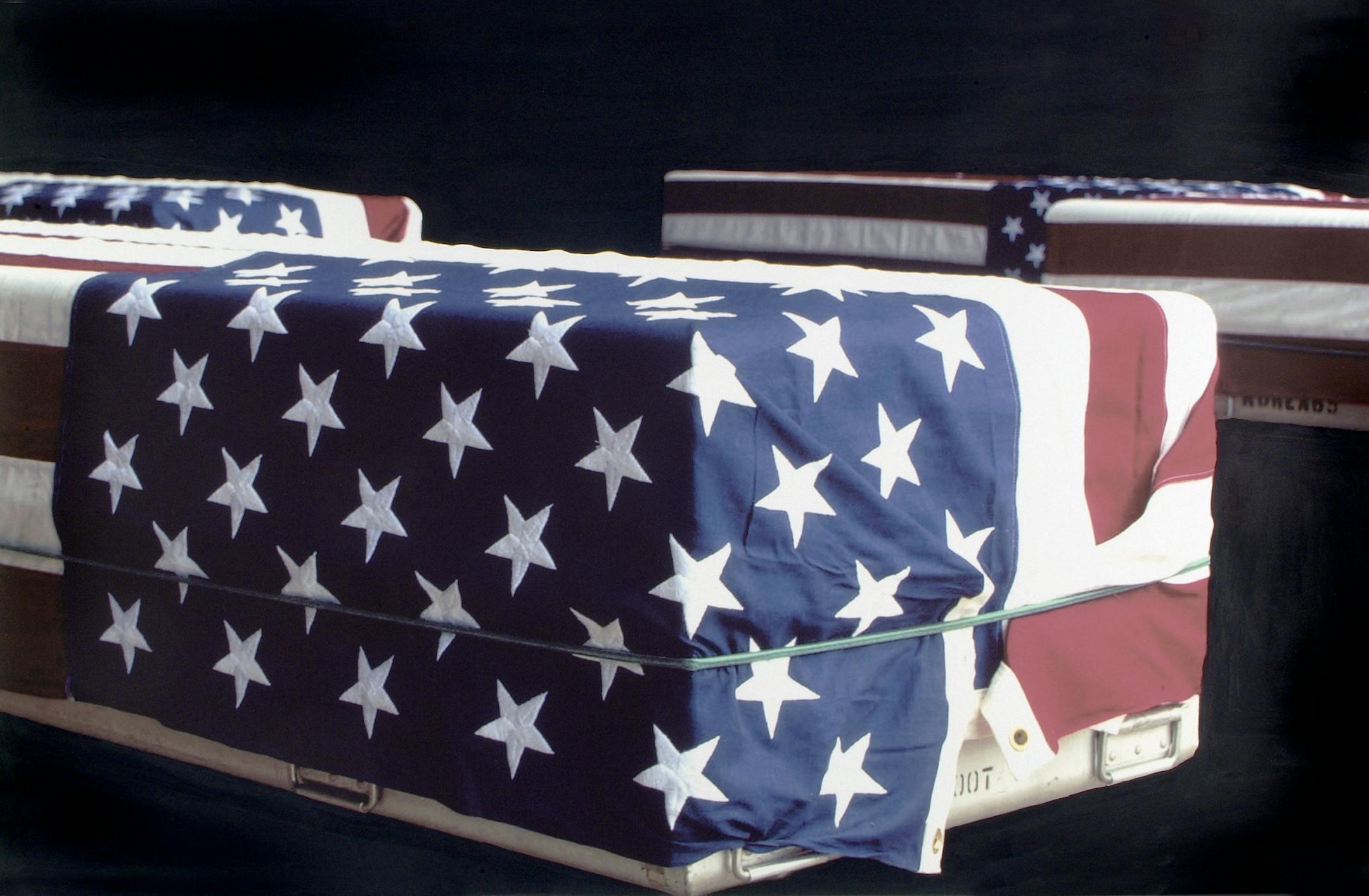
War is the ostensible subject of Camille Gage's photos, but loss is their theme. In her "War Mediated" series, she has altered photos of U.S. military personnel by blacking out everything but the flag-covered caskets in which they carry the bodies of soldiers killed in Iraq or Afghanistan. Those stark images are complemented by a gauzy white scrim on which she's stitched words naming things that contemporary society has lost — family, god, friends, innocence and so on. The meditative simplicity of the piece hovers like a benediction in the gallery.