

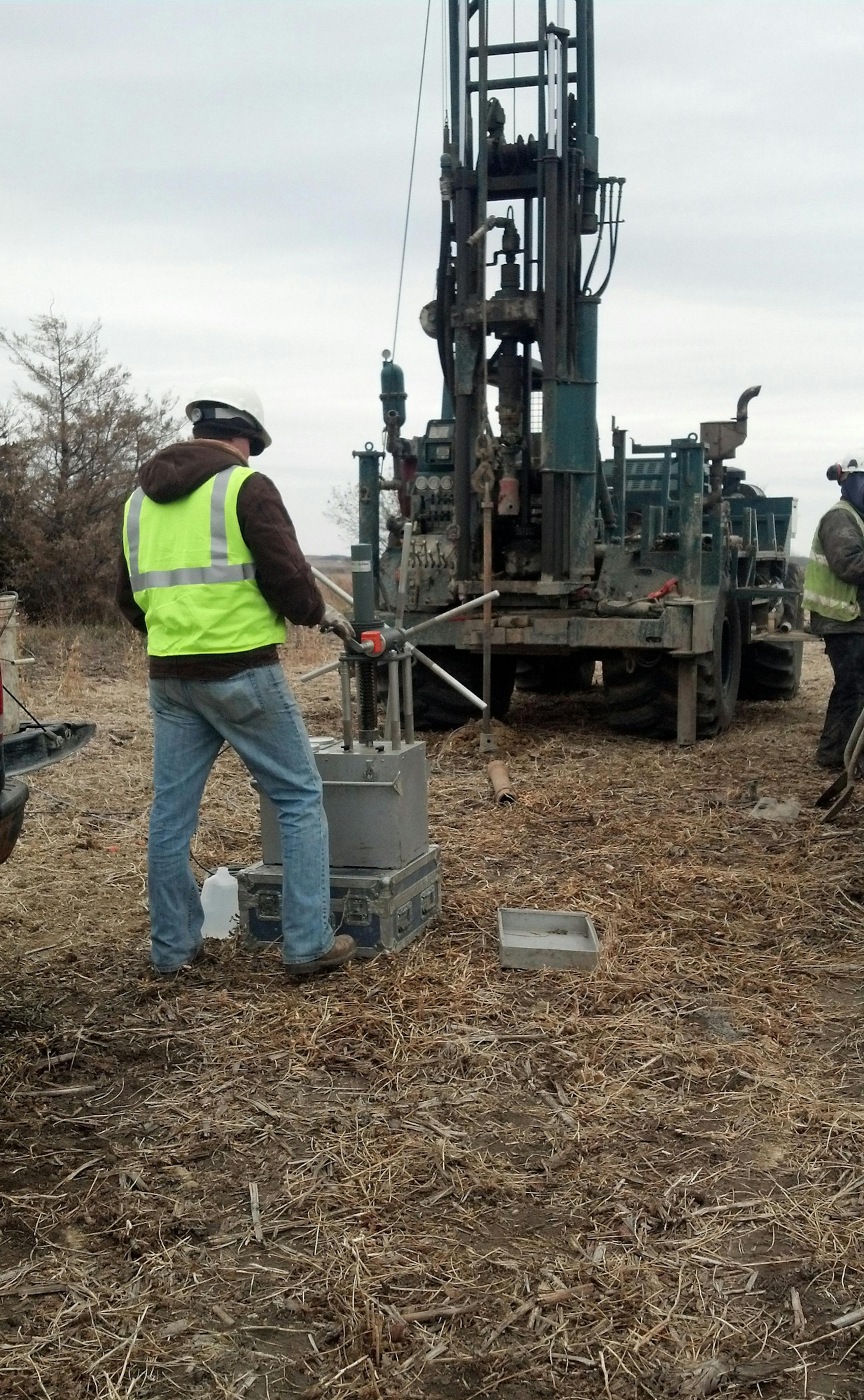
When it comes to big-dig construction projects, public attention over the last few years has focused on the publicly subsidized Vikings football stadium that will cost $975 million.
Meanwhile, a bigger, more critical, but less publicly electrifying project will complete about $1 billion worth of work this year alone. It's the $2.2 billion overhaul of the state's electrical transmission system and replacement of 1970s-vintage technology that dates to before the Metrodome was built.
Electrical transmission gets little respect.
"Rodney Dangerfield is the patron saint of transmission systems," quipped Will Kaul, vice president of transmission at Great River Energy and chairman of the CapX2020 group of 11 Minnesota utilities involved in the 800-mile project.
The nine-year process has been marked by landowner disputes and several lawsuits. Regardless, the huge upgrade, to be completed by 2015, will mean a more reliable, efficient, cleaner way to power Minnesota.
Moreover, it will widen the electric highway to finally accommodate all the wind energy that has come on line in recent years and the ability to dispatch power as needed within the 11-state Midwest Independent Transmission System Operator (MISO). This network functions as a wholesale market for buyers and sellers of excess generation in the Midwest.
"There area a number of wind farms waiting for transmission lines in southwestern Minnesota and surrounding states," said Beth Soholt, executive director of Wind on the Wires Minnesota, an industry trade group. "Transmission facilitates keeping the lights on … and cost-effective energy because it allows energy to flow back and forth in a more robust wholesale market. It creates more energy choices and lets Minnesota and the other states meet their multiyear renewable energy standards."
In short, Minnesota, North Dakota and Iowa — among the biggest national wind generators — have been unable to sell all the wind power they generate because there is inadequate transmission capacity to wind fields such as those along the Buffalo Ridge in southwestern Minnesota.


