

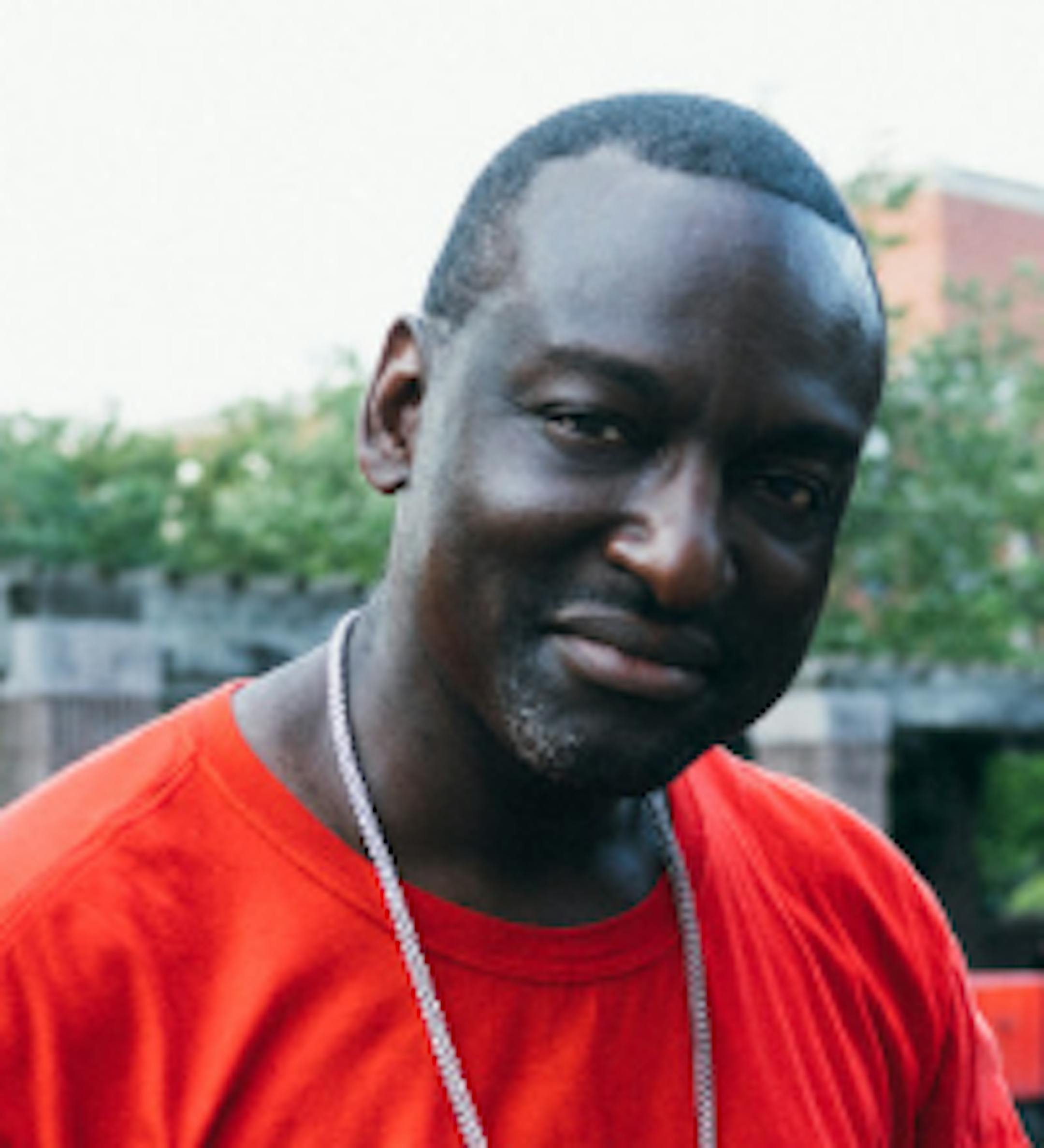
Three of the top law enforcement officials in Minnesota gathered Monday for a discussion on race and criminal justice with Yusef Salaam, whose wrongful conviction for a 1989 rape became a symbol of a flawed prison system.
The panel, part of an ongoing series of talks hosted by the Minneapolis Foundation's Chanda Smith Baker, included state Attorney General Keith Ellison, Public Safety Commissioner John Harrington and Minneapolis Police Chief Medaria Arradondo. Like Salaam, all three leaders are black, a fact that Smith Baker paused to point out to the audience of several hundred people.
"We got our three top cops in the state, look at what they're looking like," she said, to resounding applause at the north Minneapolis church hall.
Salaam was part of a group of then-teenagers — Antron McCray, Kevin Richardson, Raymond Santana and Korey Wise — who became known as the Central Park Five after being wrongfully convicted of the 1989 rape of a jogger. After spending years in jail, the men were released, one by one, and later received millions in settlement money for their ordeal, which was recently popularized in Ava DuVernay's Netflix miniseries, "When They See Us."
Salaam served seven years behind bars before being freed, and later spent another three years on probation. He said that he has tried not to let his anger at being wrongfully imprisoned consume him, by heeding the words of Nelson Mandela, who warned of the fallacy of "drinking poison and expecting your enemies to die."
"The criminal justice system appears to be working exactly as it was designed," he said, while adding he was hopeful that the system could change.
Smith Baker asked the panel a series of questions, some of which were submitted by audience members as young as 7.
Any real reform must include closing the education gap and providing greater support for struggling black families, said Harrington.


