

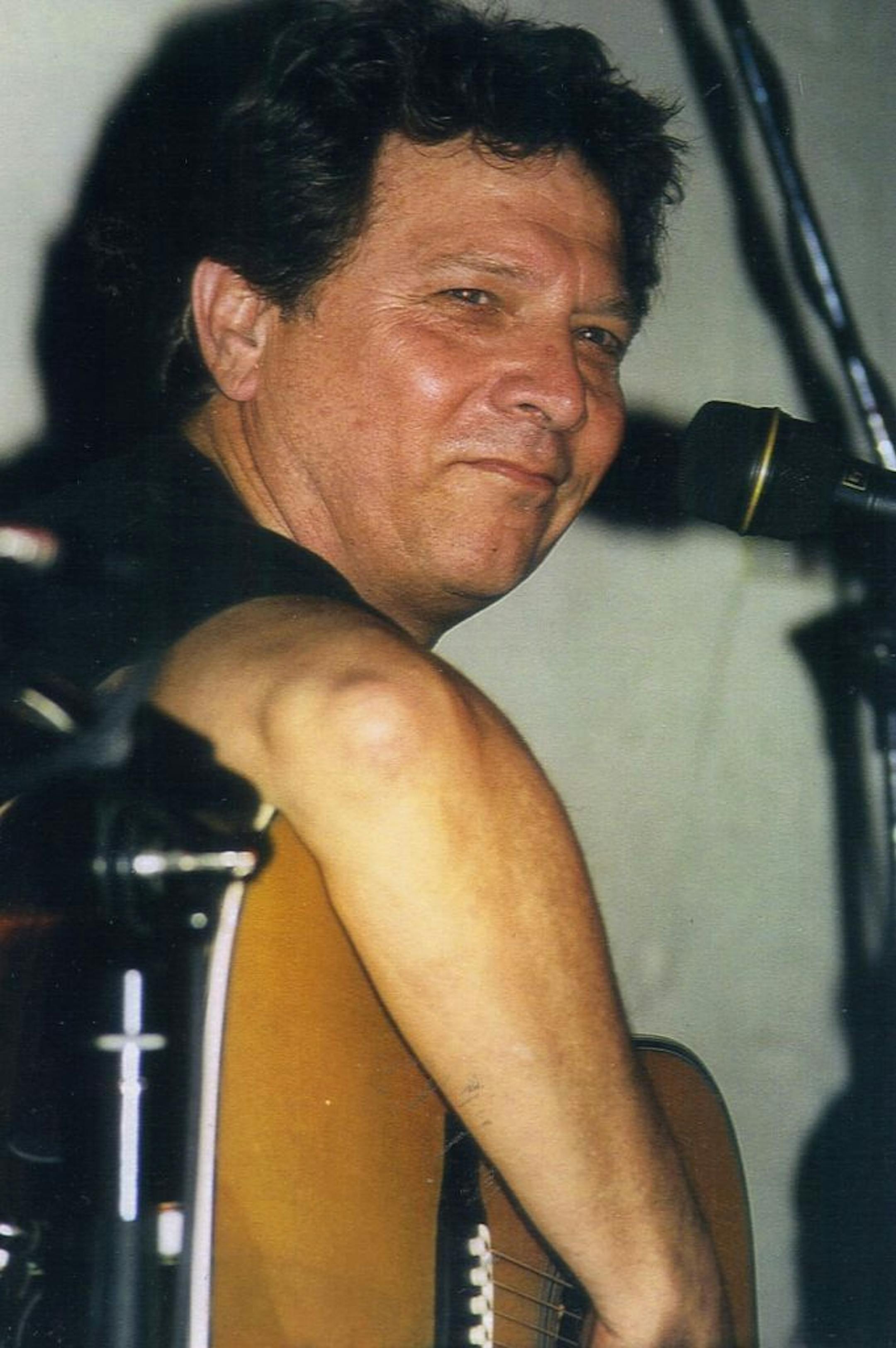
Even if you don't recognize Dan Penn's name, chances are you're familiar with his work.
As a songwriter, Penn helped create dozens of indelible classics that define the golden age of Southern soul, including Aretha Franklin's "Do Right Woman, Do Right Man," the Box Tops' "Cry Like a Baby," James Carr's "Dark End of the Street," James and Bobby Purify's "I'm Your Puppet" and Janis Joplin's "A Woman Left Lonely."
He was equally prolific as a producer, perhaps peaking with a cultural touchstone: "The Letter," by the Alex Chilton-led Box Tops. Even a brief list of Penn's other associates reads like a who's who of '60s R&B: Wilson Pickett, Percy Sledge, Otis Redding, Arthur Alexander, Solomon Burke. Another is Bobby Emmons, an ace writer himself ("Luckenbach, Texas") and member of the famed Memphis Boys, who played with everyone from Elvis and Joe Tex to Dusty Springfield.
Emmons will be there on keyboards Sunday when Penn stops by the Dakota Jazz Club in Minneapolis for a rare appearance that should include a slew of his classics as well as the fascinating tales that go with them.
"We play every once in a while, but not so much," said Penn, who turns 70 this fall, in his slow, quiet, Alabama drawl. He was speaking by phone from his Nashville home, complete with a studio he still uses for artists who seek him out. Memphis guitar great Steve Cropper just finished an album there, and Penn himself is completing the third in what he calls his Demo Series, following up 2008's "Junkyard Junky."
He primarily considers himself a songwriter, but is also a talented guitarist and expressive, soulful singer. The demos he recorded to pitch his classic songs are rumored to be amazing. Penn downplays those and often soft-pedals his many accomplishments. He's generally considered to have had a profound influence on Chilton, for example, but he insists that's not true.
"I didn't tell Alex how to sing," he said, although he admits that when "The Letter" came out, "Some of my friends back home, they thought it was me singin'. I did not influence him in any way except I would pitch him songs that I wrote."
Penn takes responsibility for one key change when they were cutting the record: "I told him to sing 'air-O-plane' instead of 'airplane.' It just rolled better."


