

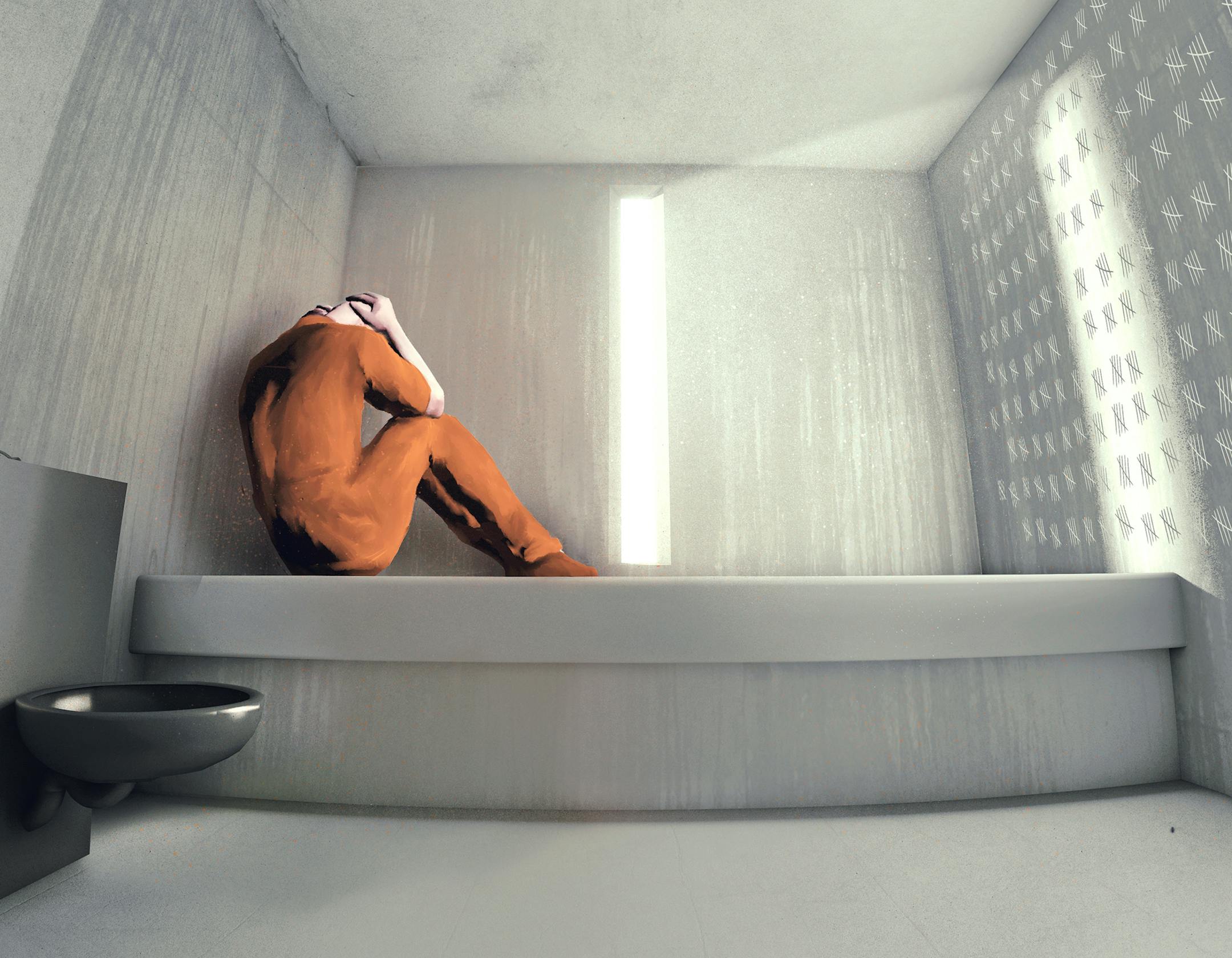
Every so often, you read a story that stops you in your tracks. I still remember where I was three and half years ago when I first read the Star Tribune's four-part series examining solitary confinement practices in Minnesota's prisons. Star Tribune reporter Andy Mannix had spent hours interviewing inmates and analyzing data from the Minnesota Department of Corrections to better understand how our state prisons were using isolation.
What Mannix found was appalling.
The Star Tribune's reporting revealed that during the previous decade, more than 1,600 inmates had spent six months or more in isolation with another 413 having served at least one year or longer in solitary confinement.
Even more concerning, the report found that Minnesota prisons had been sending mentally ill inmates to solitary. In one case, an inmate suffering from schizophrenia spent nine years in solitary.
We know that extended isolation in solitary confinement can cause or exacerbate a whole host of psychological and behavioral problems. Inmates and their families deserve transparent accountability measures, guidelines, and defined steps that clearly outline the path out of solitary.
The Star Tribune's report served as a rallying cry that brought together a bipartisan group of lawmakers, mental health advocates, and the Department of Corrections, all in an effort to find a better way forward. We have focused our efforts on solutions that ensure the safety of our prisons and their staffs while also making sure that practices are not counterproductive and do not cause irreparable psychological damage to inmates.
After three years of bipartisan collaboration at the Legislature, Minnesota will soon have established statutory guidelines for the use of solitary confinement in state prisons, thanks to legislation that was included in the Public Safety and Judiciary budget bill this year.
The legislation establishes in law, for the first time ever, a defined process for the commissioner of corrections to follow when placing an inmate in solitary confinement as well as minimum living conditions required for inmates in solitary.


