

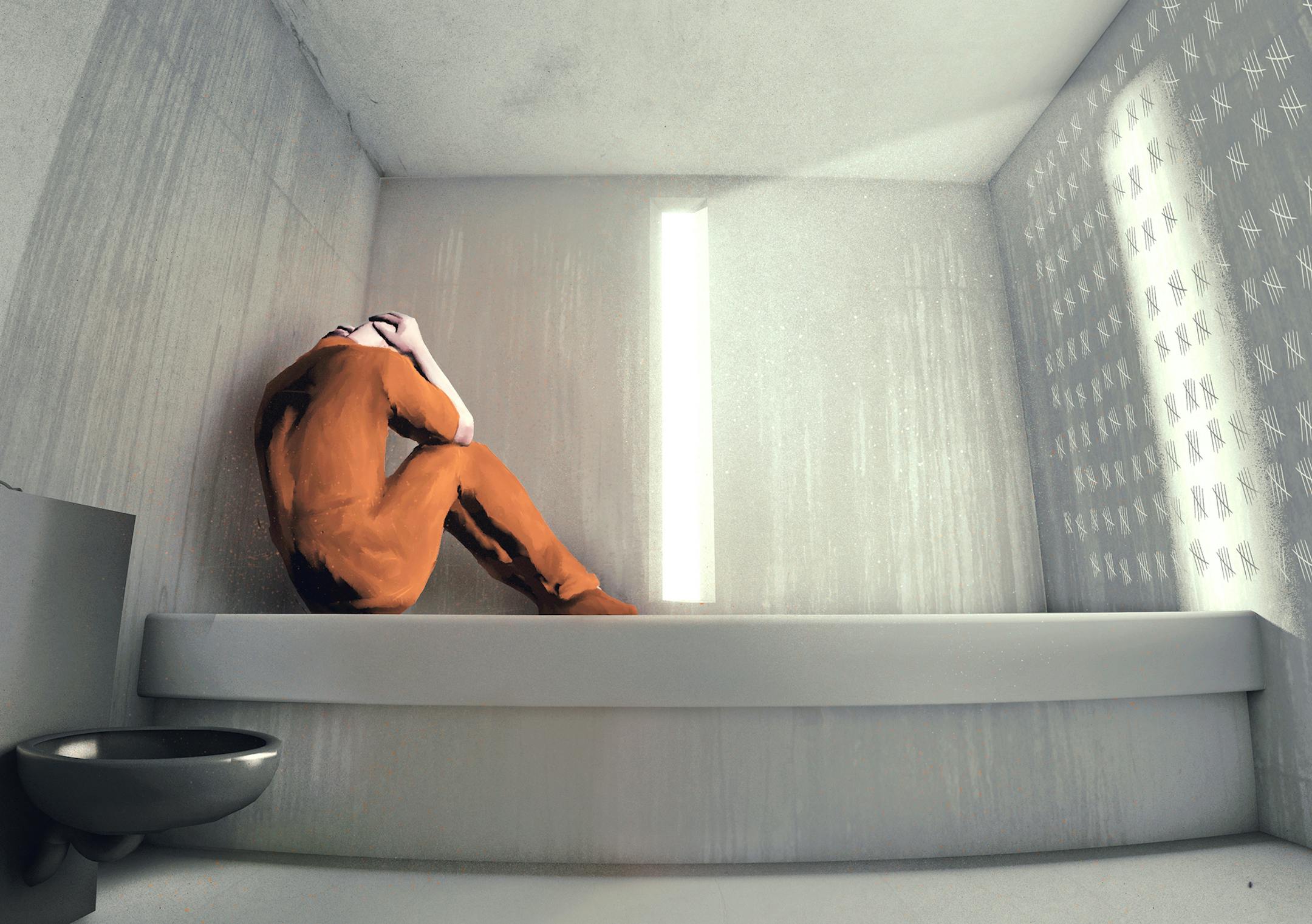
As a state legislator, I was recently shocked to learn that some of our state's prisoners are spending hundreds upon hundreds of days in physical segregation — also known as solitary confinement — with no clear parameters about how long they are to stay there, how they will be treated, or how they can get out ("Scars and lessons from my 585 days in solitary," March 30).
They are locked in a cell for 23 hours a day; their only human contact is while they are fed through a slot in the door. What's more, many prisoners' mental health issues are going untreated and are exacerbated by isolation. After sometimes years of segregation, they can be released directly from isolation into society without having received any rehabilitative services.
How can this be? Yet another shocking reality: Minnesota state statute does not provide any guidelines for how prison segregation should be administered and governed. This absence of guidance allows for the presence of extreme and concerning treatment of prisoners.
In response to the "Way down in the hole" four-part series (Dec. 4-7, 2016), I introduced legislation this year to address prison segregation. Some of these reforms are now moving along the legislative process as part of the Minnesota House Public Safety omnibus bill. The reforms are the first step toward significant improvements to the deeply embedded — and deeply concerning — segregation practices in Minnesota's prison system.
I want to be clear: The Department of Corrections can — and should — enforce disciplinary measures within our institutions. However, state statute must be explicit about what can and cannot be done. First and foremost, legislation I authored would ensure that prison inmates who are segregated from the general population are guaranteed their basic human rights.
Inmates would receive regular meals, furnished cells, appropriate reading materials, reduced lighting during night hours and any other privileges administered by the commissioner of the Department of Corrections.
To ensure that inmates are not retained in segregation for unreasonable extents of time, the warden would be required to review their status every 15 days. Furthermore, inmates who serve 60 days in disciplinary segregation would have their status reviewed by the commissioner of the Department of Corrections and then re-reviewed every 30 days.
As a society, we would never allow prison inmates suffering from diabetes, heart disease, or cancer to be locked away in isolation. Why are we allowing that for many prisoners struggling with mental illness? Minnesota is better than this, or at least we should be.


