

Few ideas have enthused technologists as much as the self-driving car.
Advances in machine learning, a subfield of artificial intelligence (AI), would enable cars to teach themselves to drive by drawing on reams of data from the real world. The more they drove, the more data they would collect, and the better they would become. Robotaxis summoned with the flick of an app would make car ownership obsolete. Best of all, reflexes operating at the speed of electronics would drastically improve safety. Car- and tech-industry bosses talked of a world of "zero crashes."
And the technology was just around the corner. In 2015 Elon Musk, Tesla's boss, predicted his cars would be capable of "complete autonomy" by 2017. Musk is famous for missing his own deadlines. But he is not alone.
General Motors said in 2018 that it would launch a fleet of cars without steering wheels or pedals in 2019; in June it changed its mind.
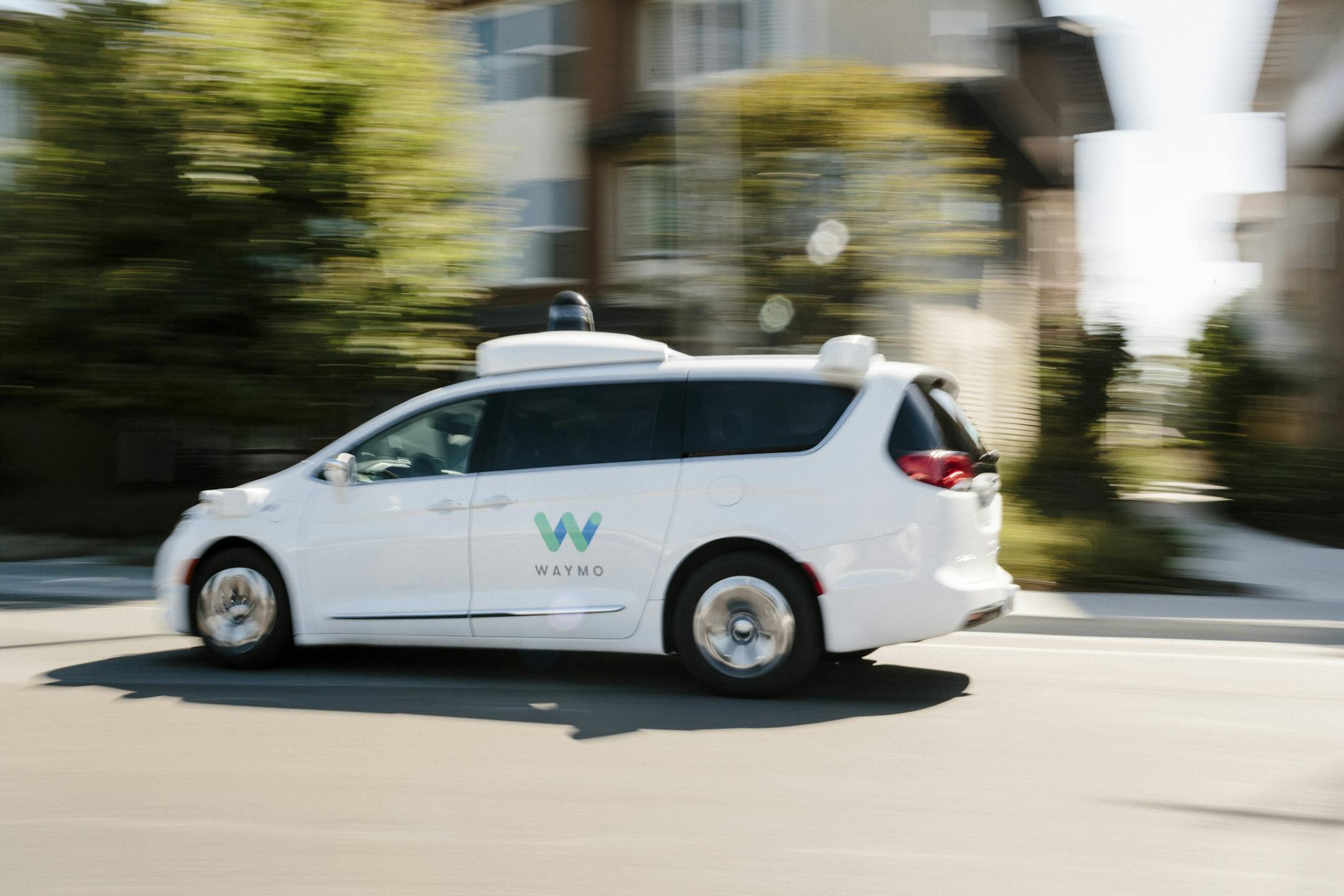
Waymo, the Alphabet subsidiary widely seen as the industry leader, committed itself to launching a driverless-taxi service in Phoenix, where it has been testing its cars, at the end of 2018. The plan has been a damp squib. Only part of the city is covered; only approved users can take part.
Phoenix's wide, sun-soaked streets are some of the easiest to drive on anywhere in the world; even so, Waymo's cars have human safety drivers behind the wheel, just in case.
Jim Hackett, the boss of Ford, acknowledges that the industry "overestimated the arrival of autonomous vehicles." Chris Urmson, a linchpin in Alphabet's self-driving efforts (he left in 2016), used to hope his young son would never need a driver's license. Urmson now talks of self-driving cars appearing gradually over the next 30 to 50 years.
Firms are increasingly switching to a more incremental approach, building on technologies such as lane-keeping or automatic parking.


