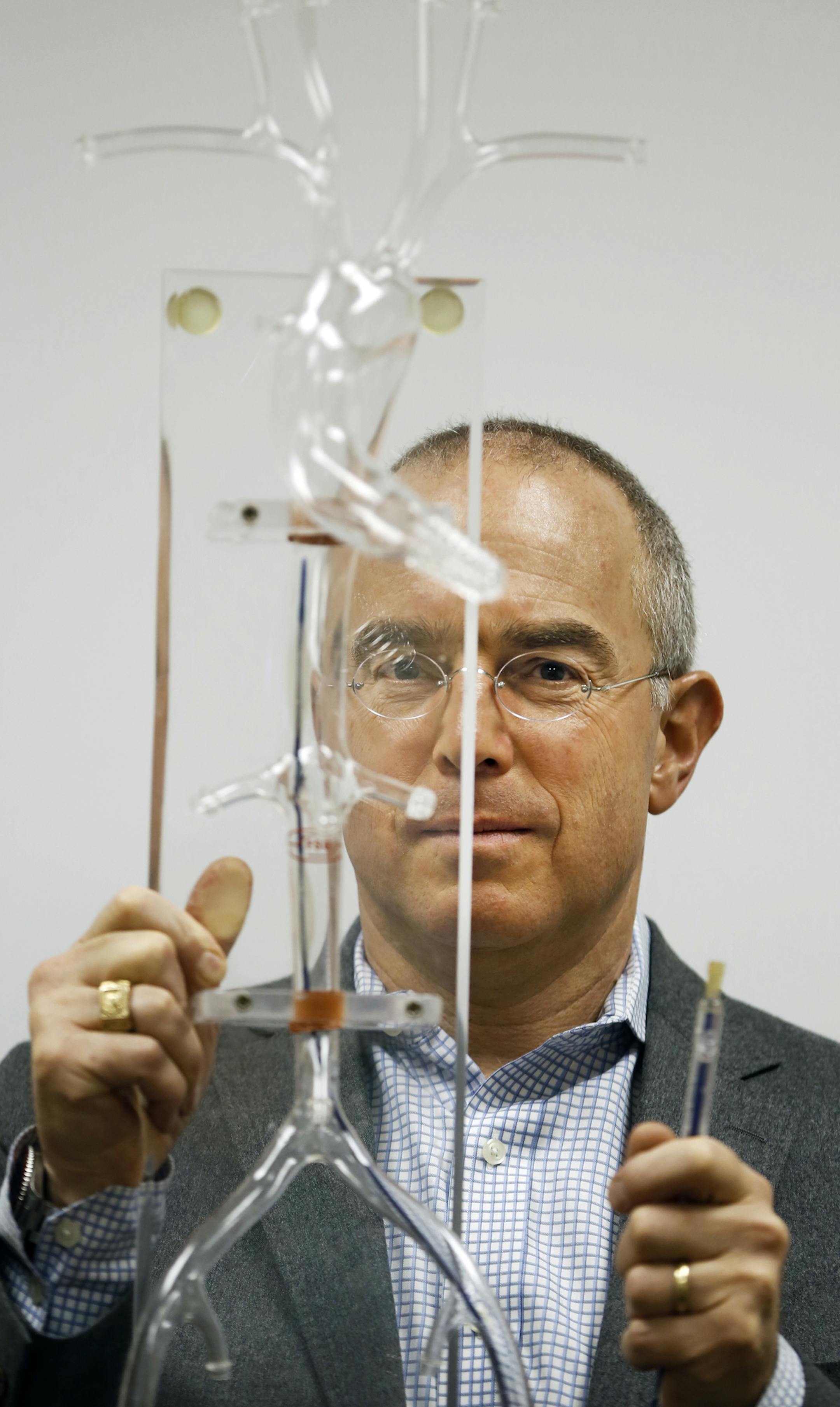
For years, the future for CoAxia looked promising.
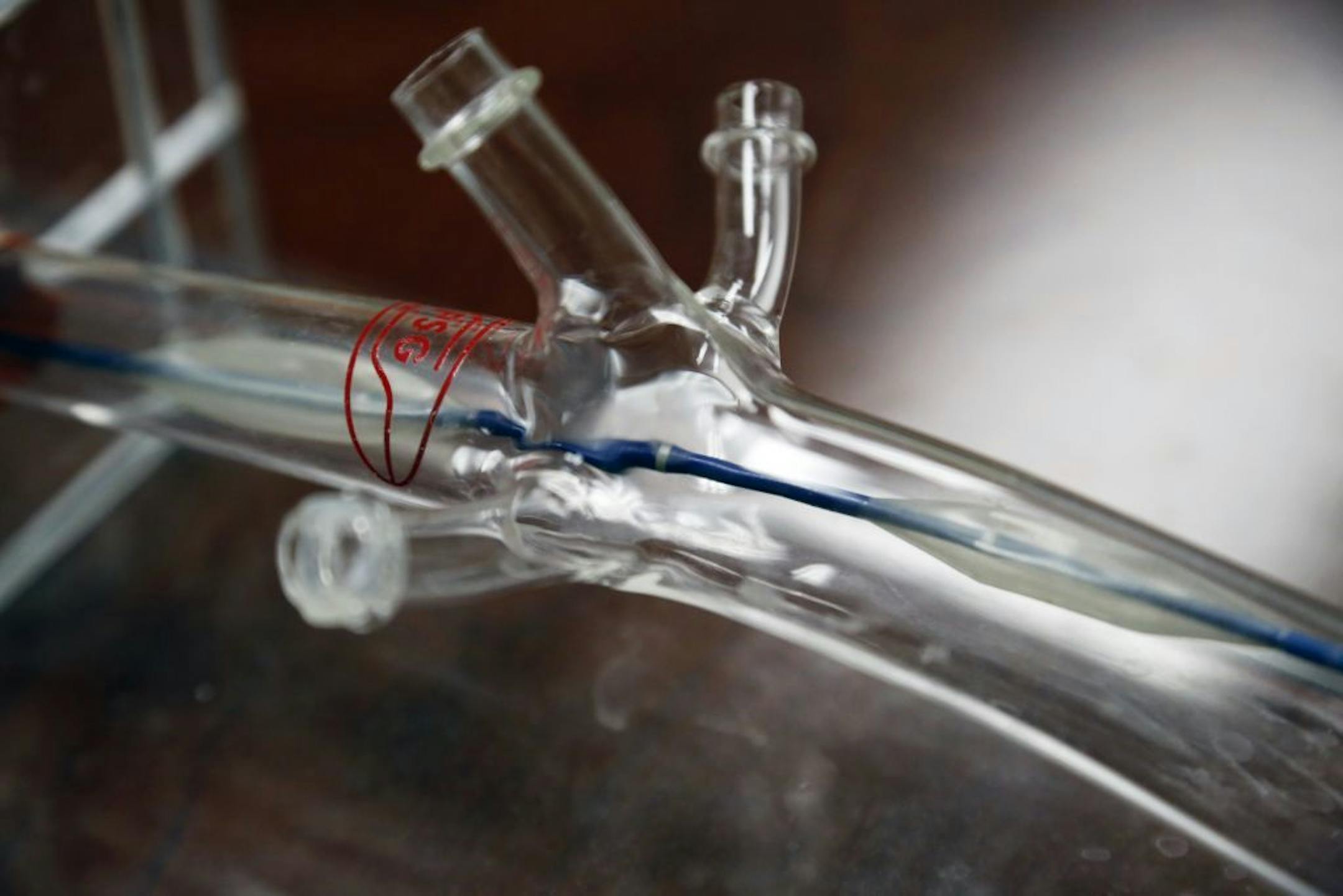
The U.S. Food and Drug Administration had given the Maple Grove med-tech start-up approval to use its device to redirect blood flow from the lower body to the torso and to treat people suffering from blood vessel spasms in the brain. Then, CoAxia asked for permission to use its device on stroke patients, a critical market for CoAxia to have long-term success.
Regulators required an expensive medical trial that took four years to enroll 500 patients. The FDA later refused appeals of data showing the device was beneficial and safe for some stroke patients.
At every turn, CEO Andrew Weiss said, CoAxia has been delayed and denied, with new requests for information costing more time and money. After 10 years and $70 million spent, CoAxia teeters on the brink — its employee ranks culled from 40 to just one while it clings to hope for a last-minute appeal.
"I would think we were the last company that would take two years to get through this," Weiss said, who is down to working part time for the firm.
Weiss and others in Minnesota's medical technology community say CoAxia's story illustrates an ongoing withering of a vital industry due to what they describe as suppressing federal bureaucracy. To highlight their concerns, a petition has been filed with the FDA on behalf of the 150 members of the Minnesota Medical Device Alliance (MDMA), protesting the lengthening time it takes to get a new device to market
"There is a sense of desperation out there," said attorney Mark DuVal, who filed the petition. A spokeswoman for the FDA said the agency does not comment on pending applications. She also said the FDA is reviewing the petition and "will respond directly to the petitioner."
Industry leaders say the FDA — in the wake of medical device recalls, patient deaths and lawsuits — doesn't want to risk rushing products to the market. But the prolonged approval process is driving away innovators and the venture capital that small med-tech companies need to survive.