

Two commemorative events call to mind an often-overlooked part of Minnesota history: the presence of slavery.
One commemoration has been "Resilience Week," a series of programs and forums focusing on the consequences of slavery pegged to the 400th anniversary of the first importation of slaves in what became Virginia.
The other is the 200th anniversary of the start of construction on Minnesota's own Fort Snelling.
Despite long-standing laws and social practices antagonistic to slavery, the "peculiar institution," as some Southerners euphemistically referred to it, did not leave Minnesota untouched. Minnesota was a "free" territory and became a free state in 1858, but slavery made its mark here and its role in Minnesota affected the whole country.
One of the major provocations that sparked the Civil War, the infamous Dred Scott case, began on Minnesota soil. The litigation concluded in 1857 with the U.S. Supreme Court ruling that African-Americans had no rights that warranted "respect"; that slaves were property, not "persons" entitled to legal protection; and that it was unconstitutional to bar or limit slavery even outside of the South.
The dreadful decision in Scott v. Sandford — later termed by scholars a "self-inflicted wound" and widely considered the worst decision ever made by the Supreme Court — is also seen by many as a crucial catalyst of Abraham Lincoln's return to politics after a respite following a single term in Congress a decade earlier.
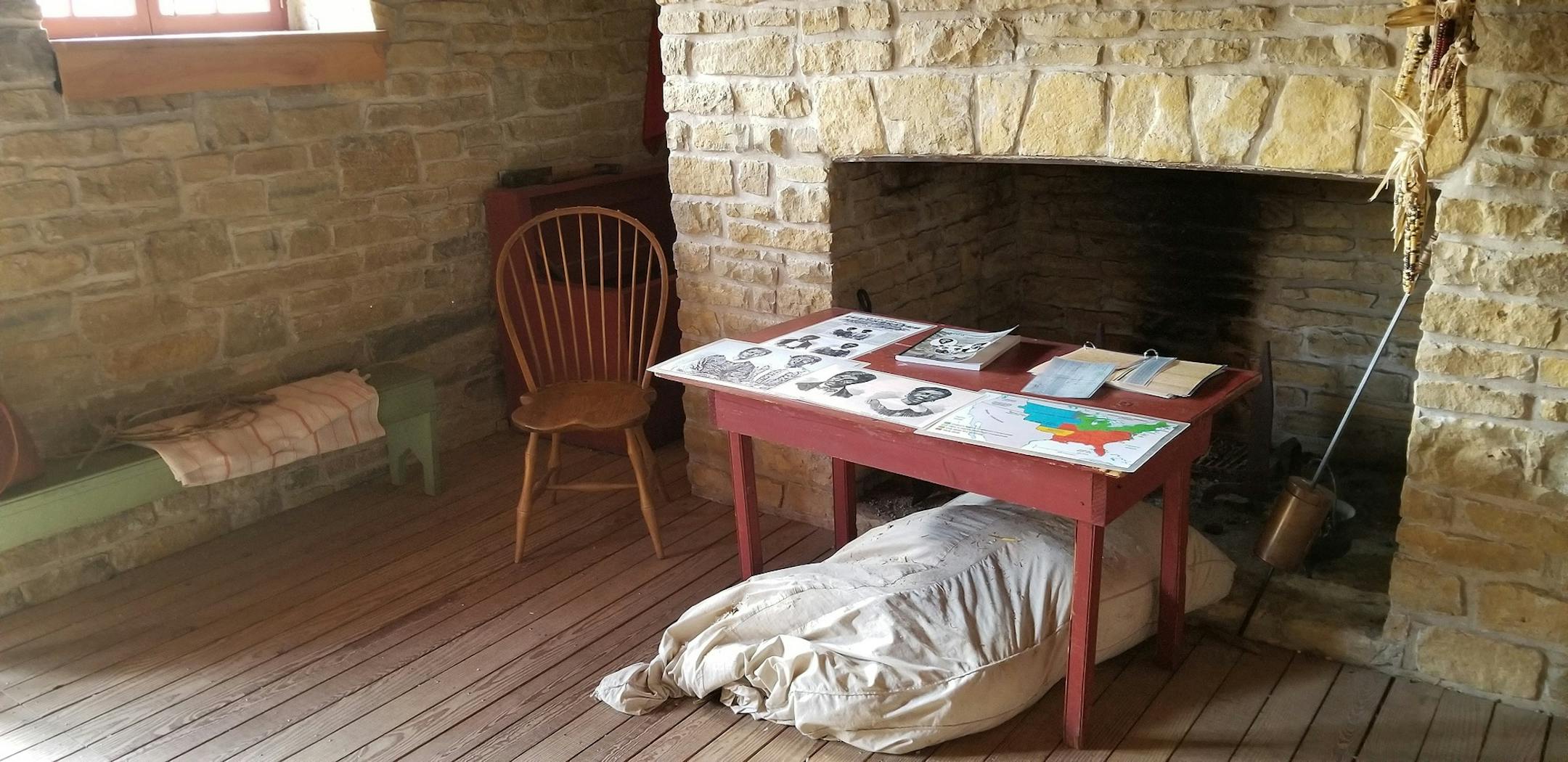
The case concerned an African-American man, Dred Scott, enslaved to a military surgeon who spent a couple of years, 1836-38, at Fort Snelling. Scott lived with his wife and children, also slaves, in the basement of the building then used as an infirmary. The facility still stands on the site of the fort, which is marking its bicentennial this summer.
Scott subsequently sued for his freedom, claiming that his bondage was legally terminated because he had lived for a time in a free area, the pre-1858 statehood territory of Minnesota. This part of the country had been designated by early federal law, the Northwest Ordinance of 1787, as off-limits to slavery, a designation confirmed by the Missouri Compromise of 1820, which barred slavery in the northern portion of the 1803 Louisiana Purchase.


