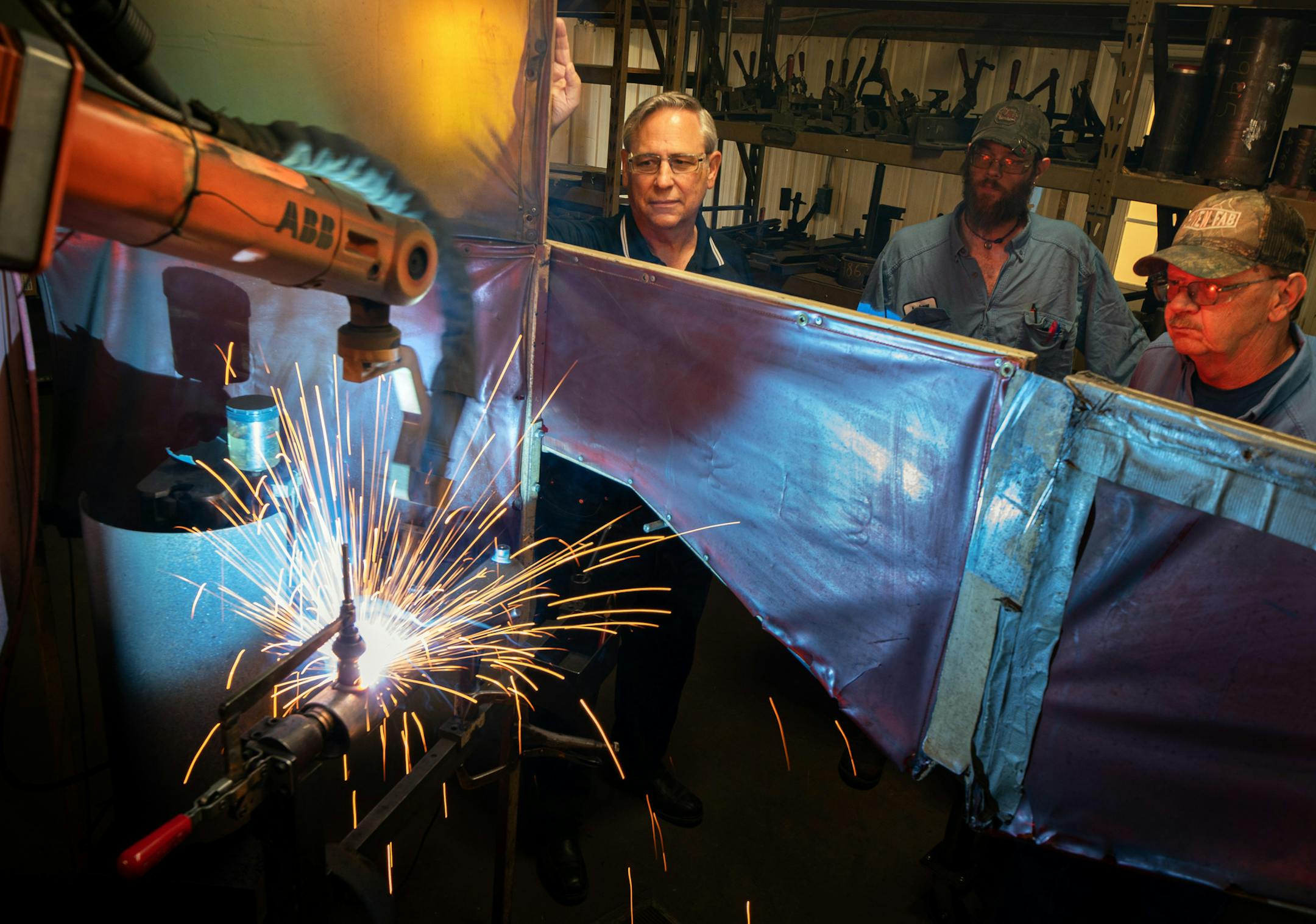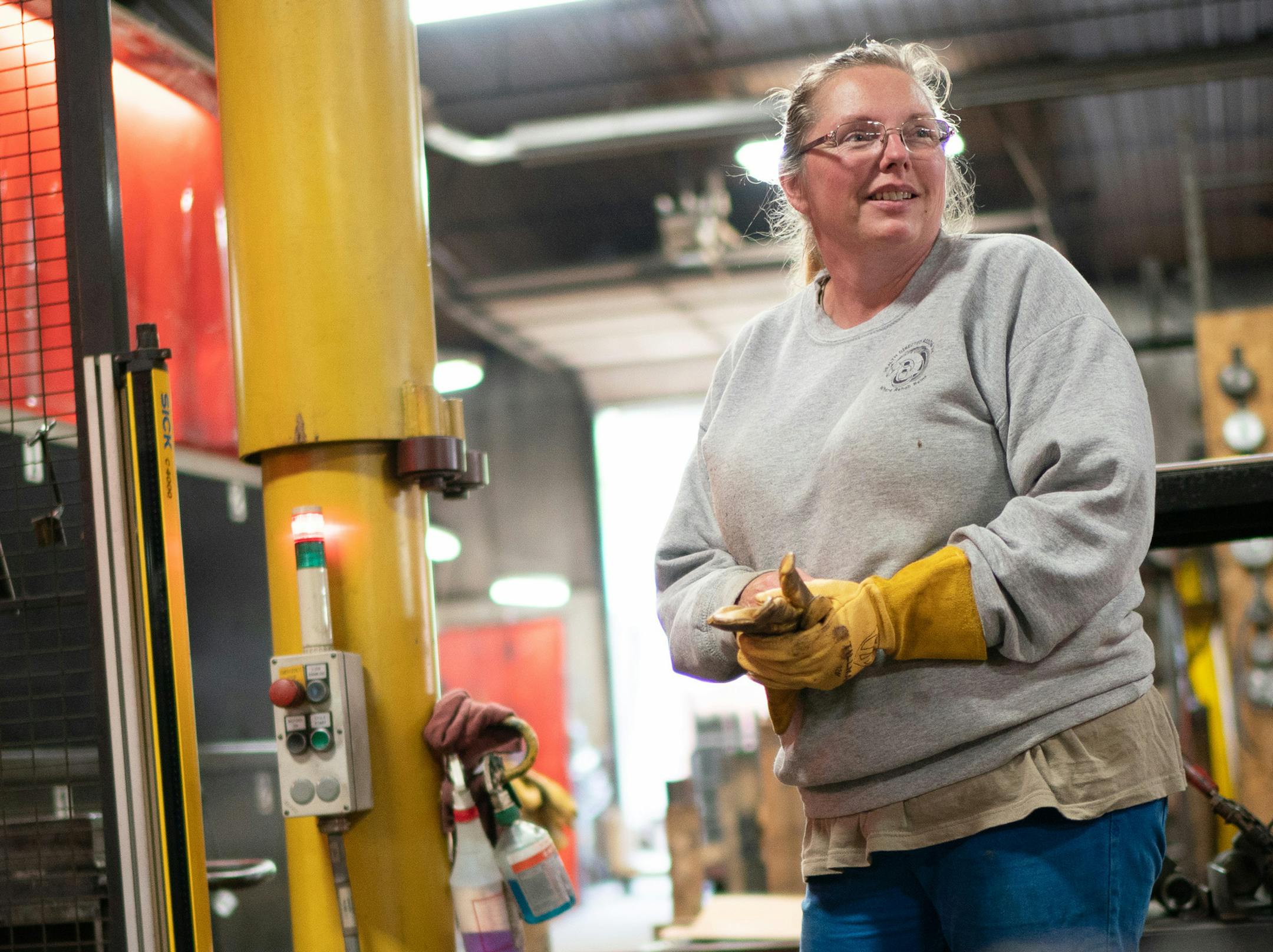
Aaron Benike needs journeyman carpenters and project managers in his commercial construction business in Rochester. Loren Nelson needs welders and computerized machine controllers in his equipment manufacturing shop in Braham.
Neither man's business lacks for work. Instead, they lack for workforce.
Workforce development has bedeviled Minnesota for roughly a decade, partly because of an aging baby boom population that produces so many retirees that the labor pool struggles to replace. But well beyond demographics, a mismatch persists between good jobs and available applicants. Federal and state programs and millions of dollars have not yet solved the problem and may not do so for a long time.
"The reality in Minnesota is that there are not enough bodies to go around," said Nelson, a member of the Governor's Workforce Development Board. The board includes leaders from the business, labor, education and government sectors, as well as community groups. It advises the governor on strategies to improve the state's labor pool.
Despite multiple workforce development initiatives, skilled craft jobs in Minnesota remain hard to fill, a new survey shows.
Roughly 92% of private Minnesota employers who participated in a national poll conducted by Associated General Contractors (AGC) reported difficulty filling some or all salaried and hourly craft positions. The figure was well above the national average of 80%.
Nearly half the 24 survey participants believe it will become even harder to hire over the coming 12 months.
The same percentage has turned to labor-saving equipment and automation to fill the void.