

For the past few years, Shar and Jack Hauer had been talking about downsizing out of the Minneapolis two-story where they'd raised their family.
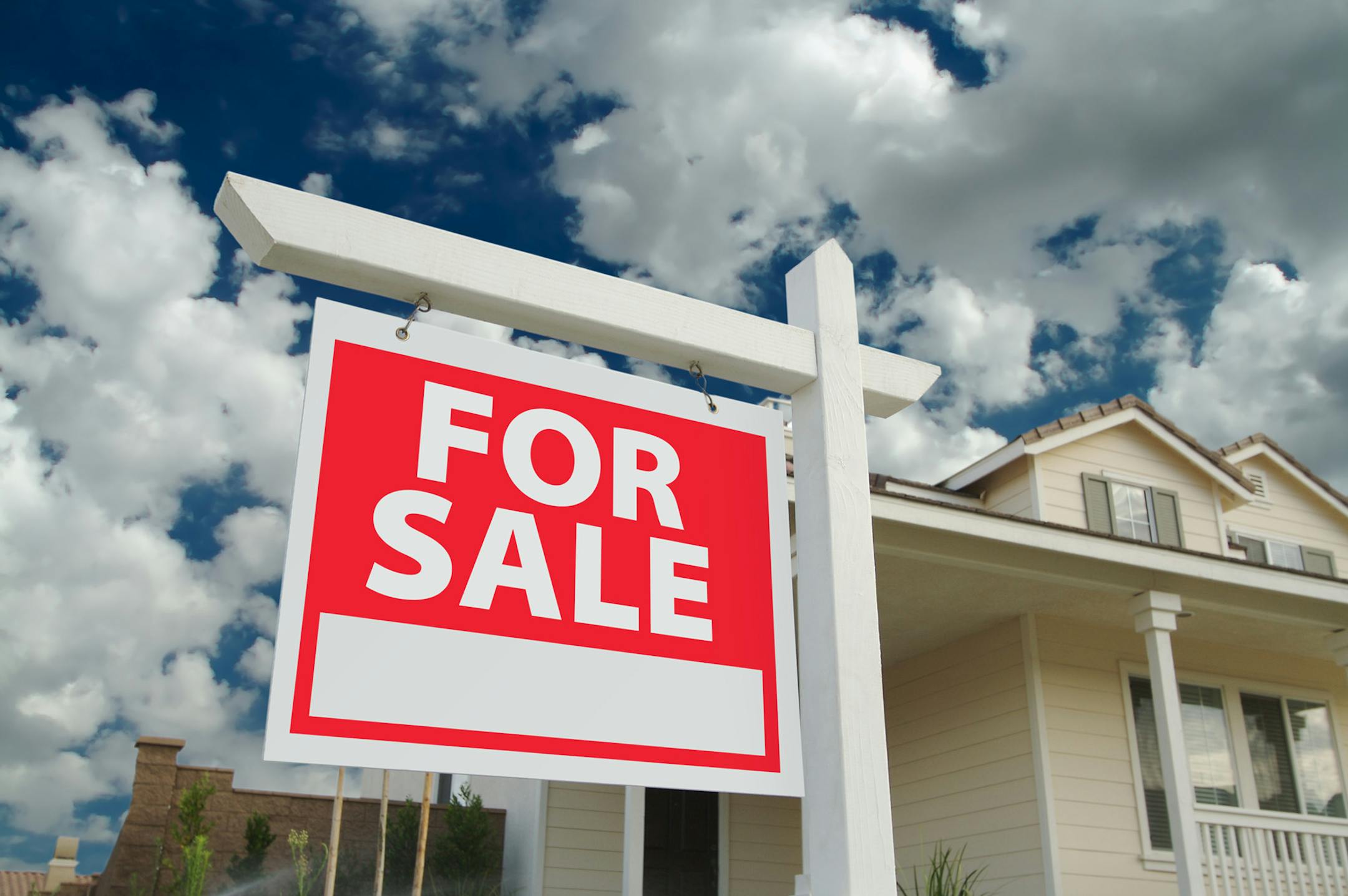
In January, their ideal unit at a senior living community became available. They snapped it up and began getting the home they'd lived in for 51 years ready to show. By April, when the "For Sale" sign went up, the market was white hot.
Showings quickly led to offers, including one that came with what the real estate industry calls a love letter, written by a couple who live nearby.
"We'd never heard of such a thing, but it was a perfect note," said Shar. "They said they'd walked by the house and admired it. Now they need a larger home for their growing family and they could picture it all in our house," she said. "I'm the kind of person who falls for something like this."
As the housing inventory has tightened and prospective buyers scramble to write a winning offer, some turn to the written word — and a vow to love, honor and cherish the property — as a way to flatter the owners, humanize themselves and stand out from the pack in a bidding war.
"Most of my clients do it. It works occasionally," said Steven Hong, an Edina-based real estate agent who offers letter-writing pointers and a successful sample on his website.
But some real estate professionals frown on the practice, warning that while their intent may be sincere, personalized letters — and accompanying photographs — have the potential to pose problems.
State and federal fair housing laws prohibit discrimination on the basis of race, color, national origin, age, sex and family status. A letter that reveals specific information about the buyer's background could unblind the seller to who will be moving into their home and neighborhood and influence their choice.

