

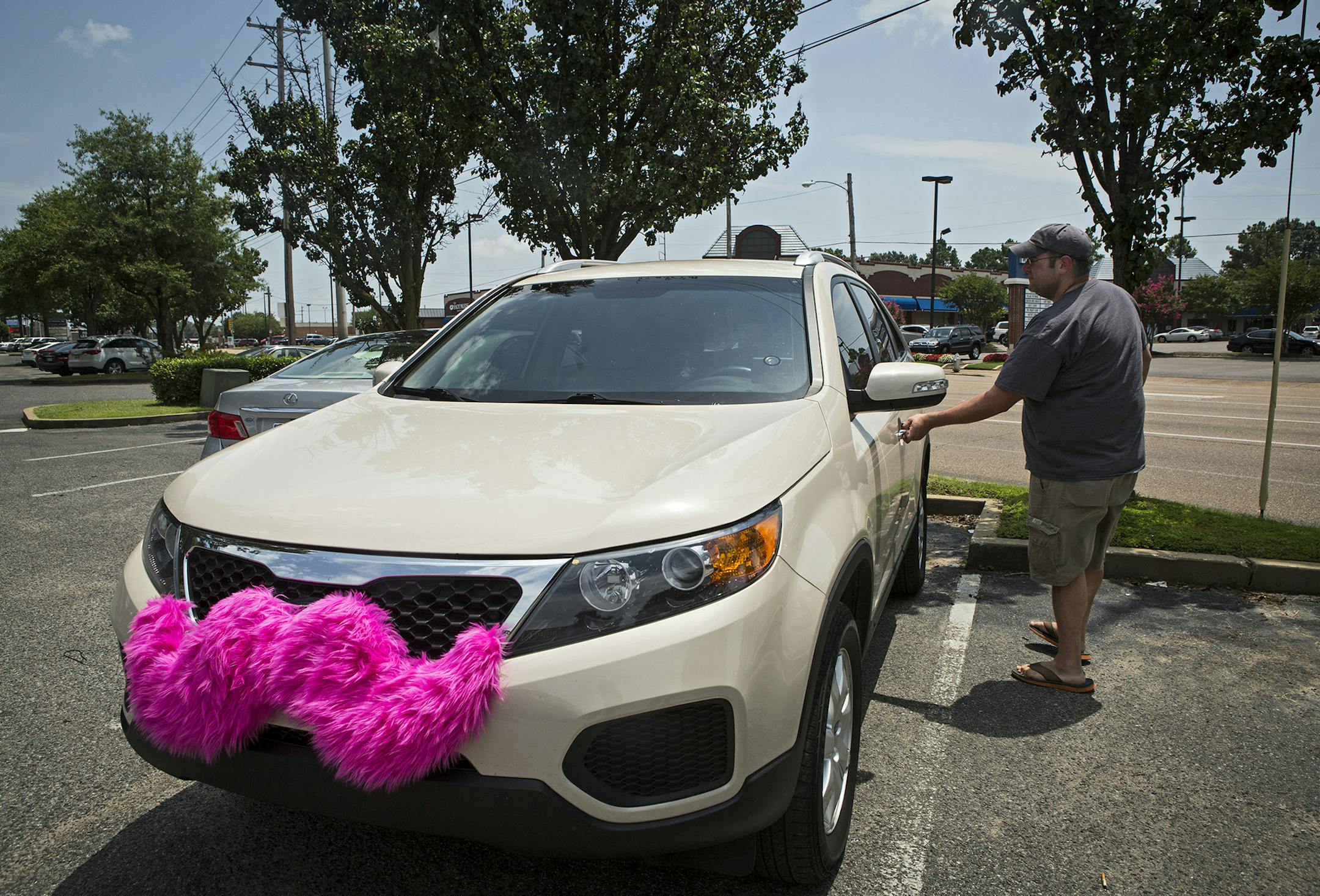
If you pay the driver of a car to take you from one place to another, isn't that vehicle functioning in essentially the same way as a taxi cab? And if so, shouldn't the driver, vehicle and company involved follow the same city rules and regulations as others providing the same kind of service?
Today, the Minneapolis City Council is expected to adopt ordinances that will establish very different rules for traditional taxis vs. car-sharing services such as Lyft and UberX (also called transportation network companies or TNCs). Following several months of talks and hearings, council members will likely approve two ordinances — one to relax and update some current taxi regulations and the other to specifically govern TNCs.
The-San Francisco-based Lyft has been operating in the metro area for several months, despite not being technically legal in Minneapolis. The TNC's arrival prompted City Hall to figure out how to regulate the as-yet-unlicensed businesses.
But even though the council has studied the issues and heard from concerned parties, questions remain, including questions about whether the TNCs will have an unfair competitive advantage over more-tightly-regulated taxis.
We believe the council should delay its vote until more of those questions are better answered. But if the new rules are approved, city leaders should carefully monitor how the TNCs operate to determine whether more should be done to equalize regulation. The leaders should remain willing to reconsider further relaxing restrictions on taxi fares, lowering licensing fees for taxis or tightening rules on TNCs.
Here's how the new kids on the block operate: Lyft and UberX essentially allow individuals to serve as paid chauffeurs with their personal vehicles. Customers hire them through their GPS-enabled smartphones. Both the drivers and the customers are preapproved by the companies, and no money changes hands at the time of the service. The on-file credit cards of the customers are charged for the rides, and driver payments are electronically deposited into their accounts.
In contrast, traditional cab companies and drivers don't have those electronic advance-payment arrangements, but they are required to accept credit cards.
Meanwhile, Lyft and UberX can charge whatever prices the market will bear, while taxis' per-mile rate is capped.


