

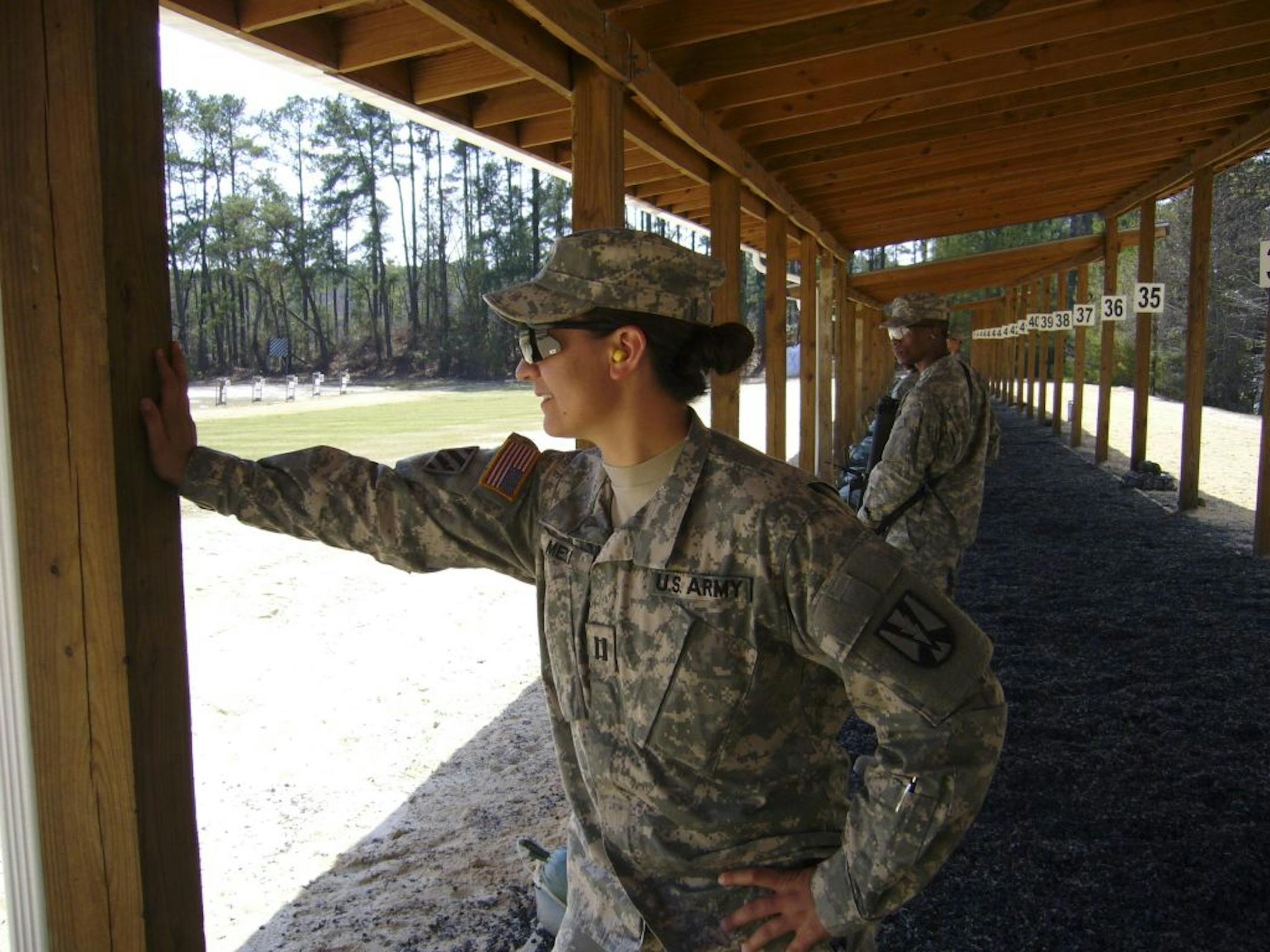
Last week, when Defense Secretary Leon Panetta decided to allow women in the military to occupy combat positions that had once been forbidden to them, I joined in the general jubilation. This seemed to be yet another step forward.
Before long, however, my jubilation turned to gloom.
It suddenly seemed strange to celebrate the Pentagon as a font of justice and wisdom. This is the same entity that has sent tens of thousands of young Americans to senseless deaths in Vietnam, Iraq and Afghanistan, deaths that were neither vital for national security nor necessary to advance America's interests.
It is bizarre to see how quickly despondency over the slaughterhouse of war can turn into grateful expectation that, when the next military debacle comes, women will be able to die as brutally and senselessly as men.
One pundit went so far as to admiringly quote a retired Air Force brigadier general, a woman, who said, "I think people have come to the sensible conclusion that you can't say a woman's life is more valuable than a man's life."
You could never accuse the generals of holding one soldier's life higher than another's -- unless it belongs to a general.
Once the brigadier general's surreal statement would have been fodder for the disgusted absurdism of a Heller or a Vonnegut. Now it is a ringing affirmation of a woman's right to die for nothing alongside men dying for nothing.
The enthusiastic supporters of the Pentagon's decision to allow women into front-line combat make two points when reservations are expressed. The first is that the more the public sees women performing, and dying, in military roles, the more opportunities society will make available to women. Maybe.


