

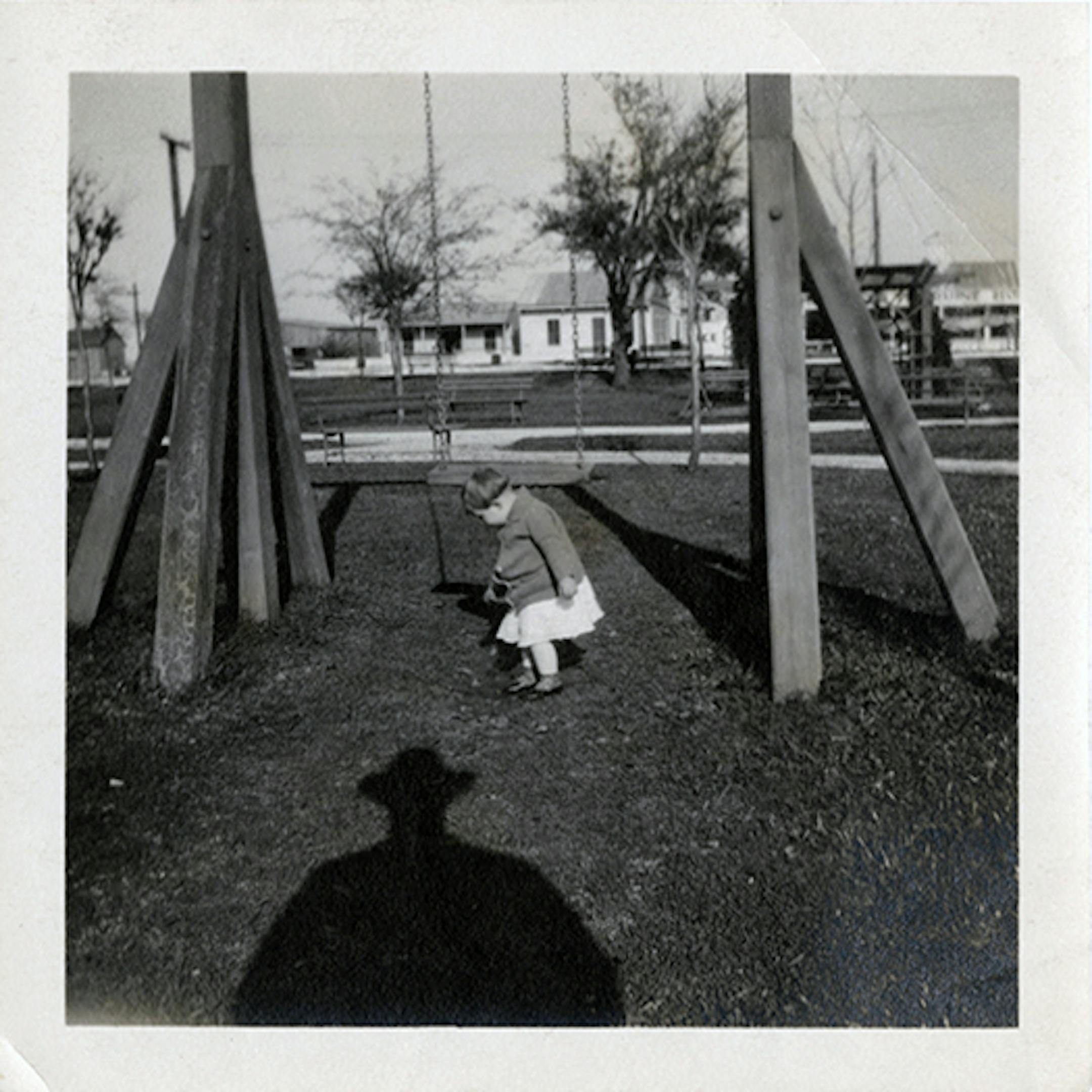
Featureshoot reviews a book of old family photos with one creepy similarity:
Example:
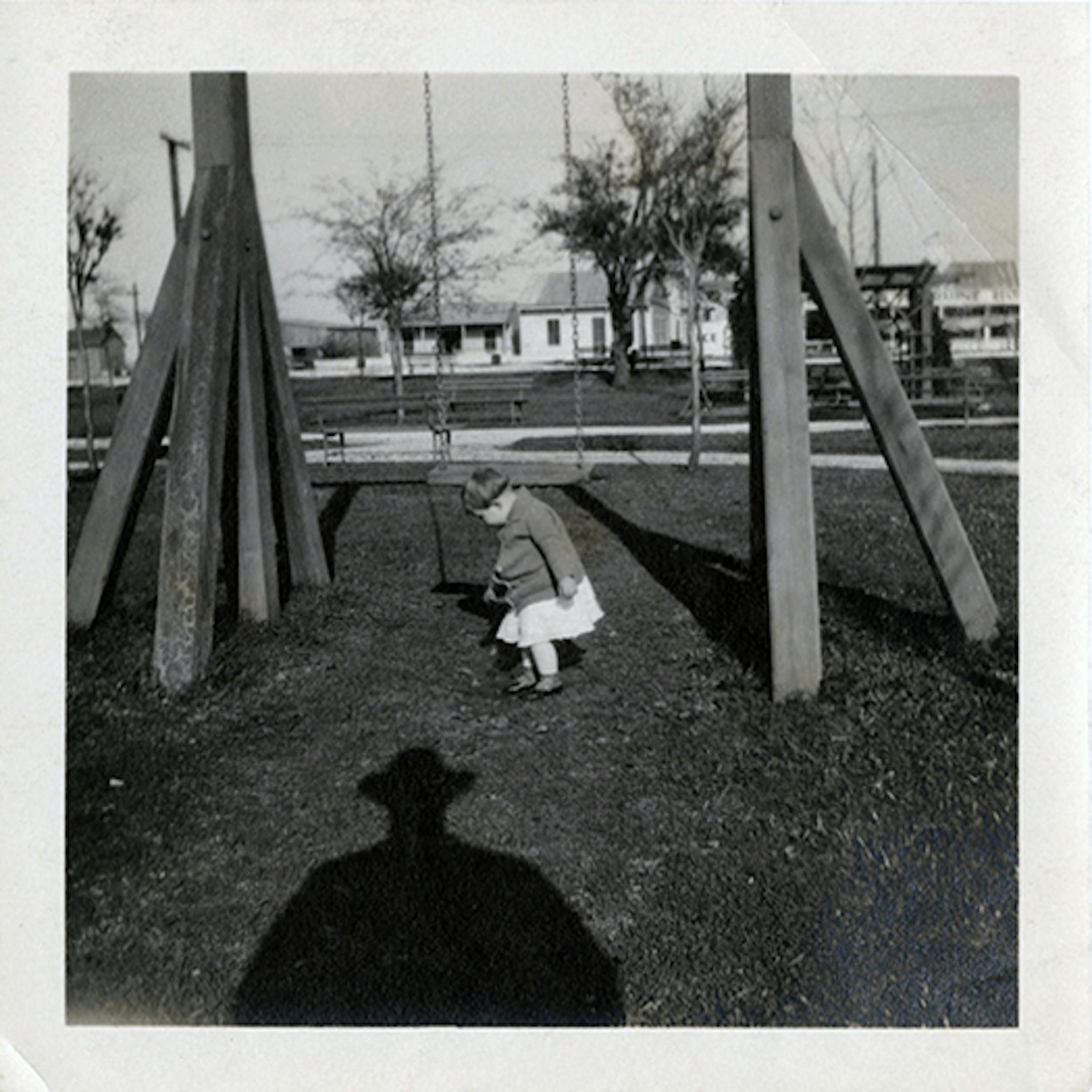
This isn't a predator. It's the Whistler. Someone in the comments says it's the Shadow, but you can't see the Shadow.
BTW: the Shadow is often held up as an example of the great old days of radio, usually by people who haven't heard it. The show was aimed at 13 year-olds. Where to begin? The weed of crime bears bitter fruit! Crime does not pay. The Shadow knows. Okay, that's excessive. Pick one or the other. What evil lurks in the hearts of men? The Shadow knows. Is this simply from experience, or some keen insight based on special powers? Because he has one power, and that's invisibility. Hence the name, the Shadow. How does he do it? Well, Lamont Cranston, wealthy young man-about-town, spent some time in the Orient, where he learned the art of clouding men's minds. Just by showing up in a room he tricks people into thinking they can't see him, or locate him by his voice. (Or cologne.) How? Well, it's one of those . . . yogi-fakir things, I don't know. Everyone just accepted that it was so.
The plots were rarely suspenseful; it was just a matter of getting the Shadow alone in a room with an underling or the main crook, and then the Shadow getting trapped, and then escaping. What made it interesting for a while was the actor: Orson Welles, knowing this was waaaay beneath his talents, but what the heck - steady money and national fame. It's like, oh, Alec Guiness playing Obi-Wan. Except Welles was 22 years old.
After the Shadow came the comic-book heroes, and you can't talk about them without taking about Stan. Vulture's Abraham Reisman has written an exhaustive account of the struggle to identify Stan Lee's reputation.
Alas:


