

Minnesota prides itself on being unique in many ways. But we shouldn't bust any buttons over the distinctive reputation our state seems to have earned in many legal circles, and among many defenders of civil liberties and enlightened corrections policies.
"Minnesota's laws and its implementation of those laws [are] uniquely retrograde," declares a legal brief filed this summer with the U.S. Supreme Court by two prominent libertarian think tanks.
On Monday, the nation's highest court is expected to consider whether to hear a constitutional challenge to the long-embattled Minnesota Sex Offender Program (MSOP) — "the most aggressive and restrictive sex-offender civil commitment statute in the country," according to the "friend of the court" brief from the Cato Institute and the Reason Foundation.
The Supreme Court has received similar assessments of Minnesota's nation-leading achievement in the "unregulated deprivation of liberty" in briefs from associations of law professors, criminology scholars and sex-offender-treatment specialists.
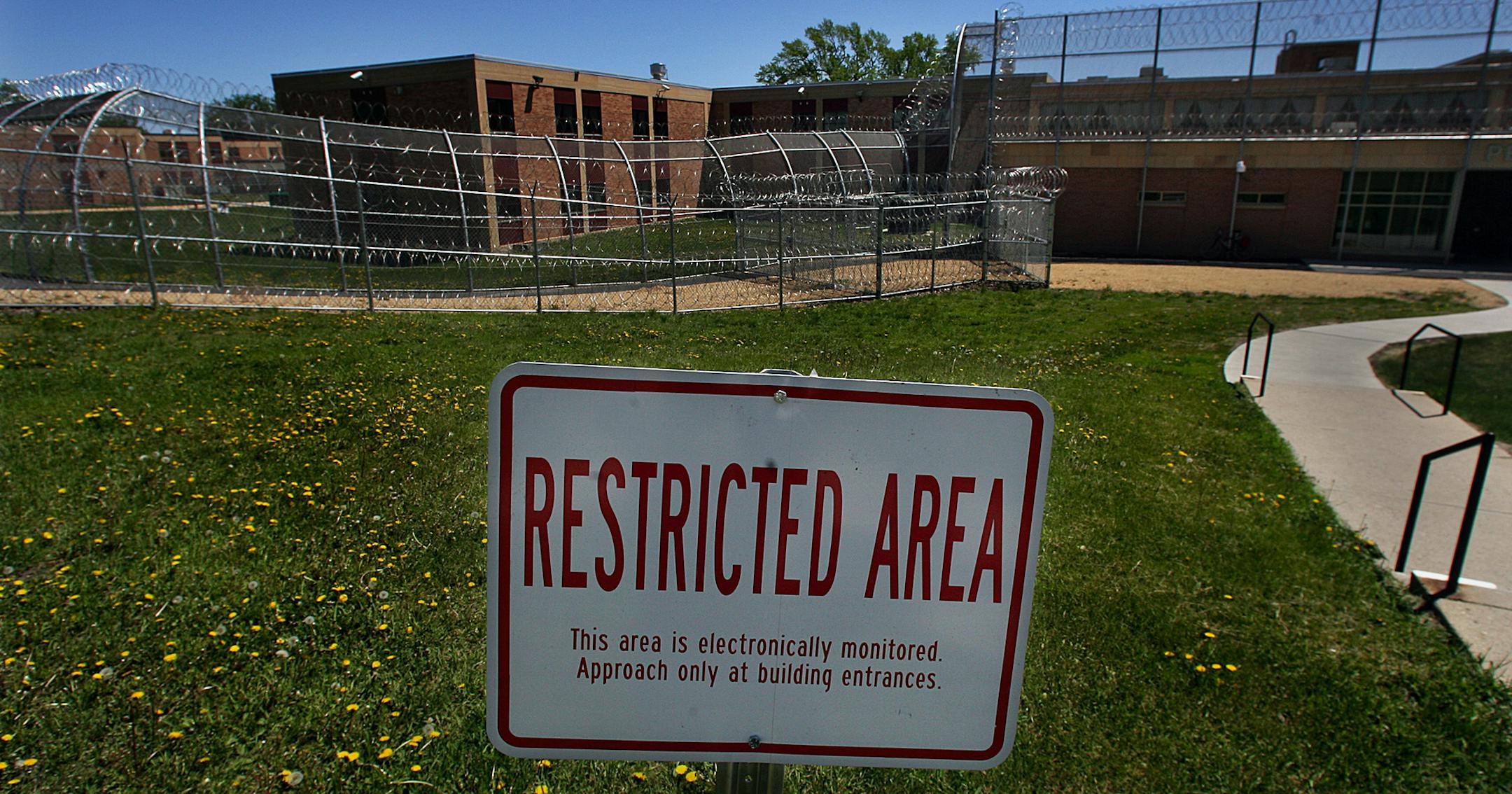
It goes without saying that the dangers sex offenders pose in our communities and institutions create a disturbing policy problem. Over the past quarter-century, some 20 states have implemented "civil commitment" programs somewhat like Minnesota's. Under these novel legal arrangements, certain sex offenders, after fully serving prison sentences for their crimes, are judged to be a continuing threat and are locked away again, indefinitely, in prisonlike "treatment centers" until they show progress in controlling their dark impulses.
The unique trouble with MSOP, as I've noted in previous columns, is that it almost never helps anybody make progress, even after decades in its care. Only one "patient" has been fully discharged in more than 20 years (and that came only as MSOP's legal troubles mounted), and the state's 700-plus clients represent America's highest per capita rate of sex-offender commitments. Other states — innovative, compassionate places like Texas — have more success in readying at least some offenders for greater freedom.
But MSOP provides no regular review of patients' progress, no individualized treatment plans and no less-restrictive housing options, even though its leaders admit that some of those it incarcerates probably pose no ongoing risk to the public. MSOP is "so riddled with systemic flaws," its critics write, that its inadequacies seem "the product of design, not ineptitude." Indeed, they add, "seeing what it fails to do, one might reasonably ask what the MSOP actually does."
But that's no mystery. MSOP has for decades protected Minnesota politicians from potential public wrath should a sex offender released from custody commit a high-profile atrocity. Dangerous men are released to the community every day from prison, jail and pretrial detention, but a blinding spotlight has come to focus on sex criminals.


