

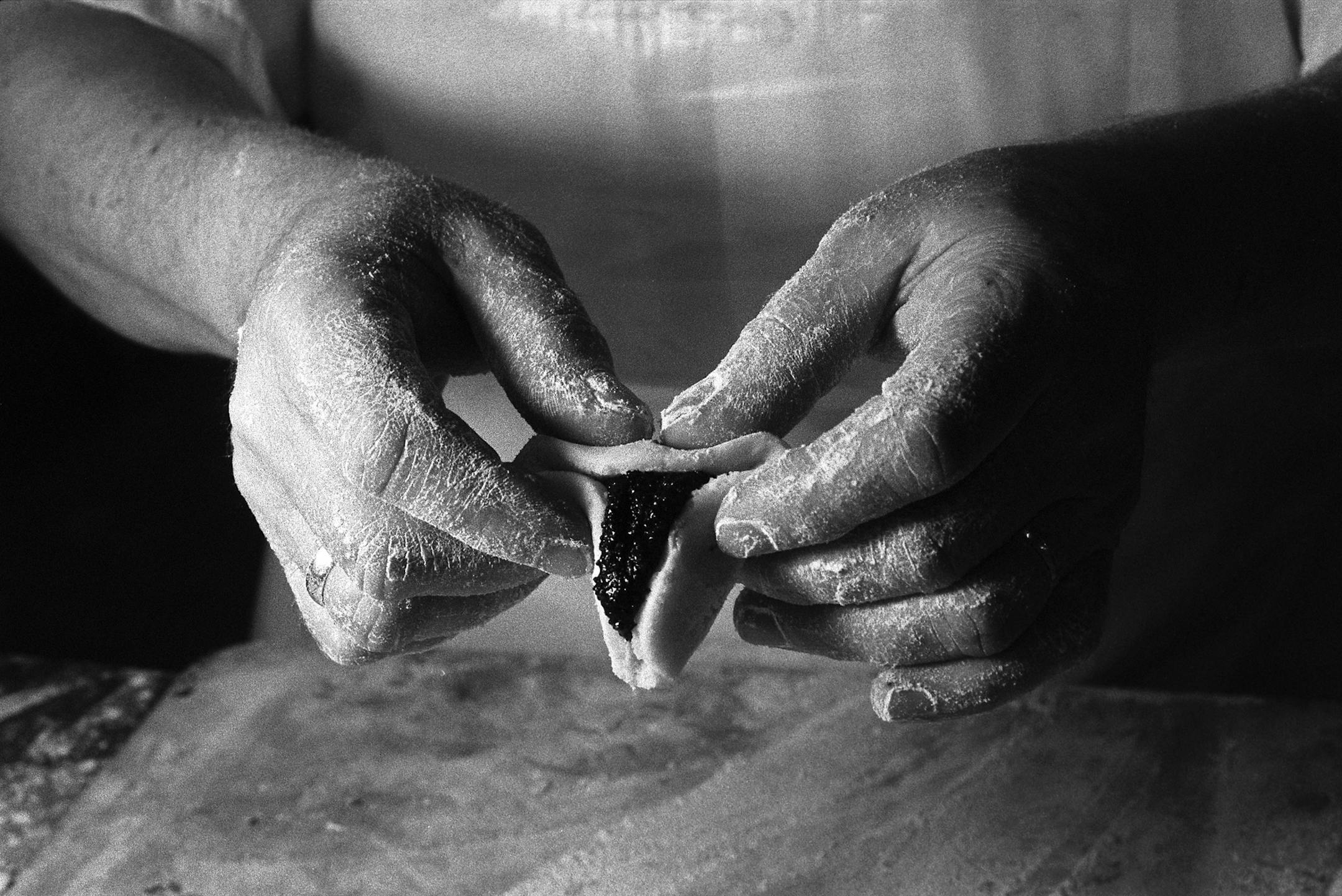
In 2015, Bon Appétit ran an article by food writer Dawn Perry about hamantaschen, the triangular cookies that are a tradition during the Jewish festival of Purim. It was headlined — brace yourself for outrage — "How to make actually good hamantaschen."
Six years later, a woman named Abigail Koffler found the article while researching hamantaschen fillings. She was not amused.
Perry, Koffler wrote on Twitter, isn't Jewish. Perry's husband, Koffler added, had been forced out of his job at Condé Nast last year based on accusations of racial bias. Above all, Koffler objected, "Traditional foods do not automatically need to be updated, especially by someone who does not come from that tradition."
Most Jews would probably be grateful for an "actually good" hamantasch. Yet within hours of Koffler's tweets, Bon Appétit responded with an editor's note atop the article, now renamed "5 Steps to Really Good Hamantaschen." It's a note that defies summary, parody and belief.
"The original version of this article included language that was insensitive toward Jewish food traditions and does not align with our brand's standards," the editor wrote. "As part of our Archive Repair Project, we have edited the headline, dek, and content to better convey the history of Purim and the goals of this particular recipe. We apologize for the previous version's flippant tone and stereotypical characterizations of Jewish culture."
Behold in this little story, dear reader, the apotheosis of Woke.
No transgression of sensitivities is so trivial that it will not invite a moralizing rebuke on social media.
No cultural tradition is so innocuous that it needn't be protected from the slightest criticism, at least if the critic has the wrong ethnic pedigree.


