

The news about Sears these days is grim. The once mighty retail giant has failed to turn a profit since 2010. It's shuttering 180 stores this year after losing $2.2 billion last year.
That's quite a fall. In 1972, two out of three Americans shopped at Sears, Roebuck and Co. Half the nation's households carried a Sears credit card and the company accounted for 1 percent of the country's gross national product. With 1945 sales reaching $1 billion dollars, Sears climbed to the top eight largest corporations on the planet and its largest retailer.
But long before its dramatic arc of success and decline, the Sears story started at a train depot just north of Redwood Falls, Minn., roughly 115 miles southwest of Minneapolis. The tale actually began in 1863 in the southern Minnesota burg of Stewartville, near Rochester.
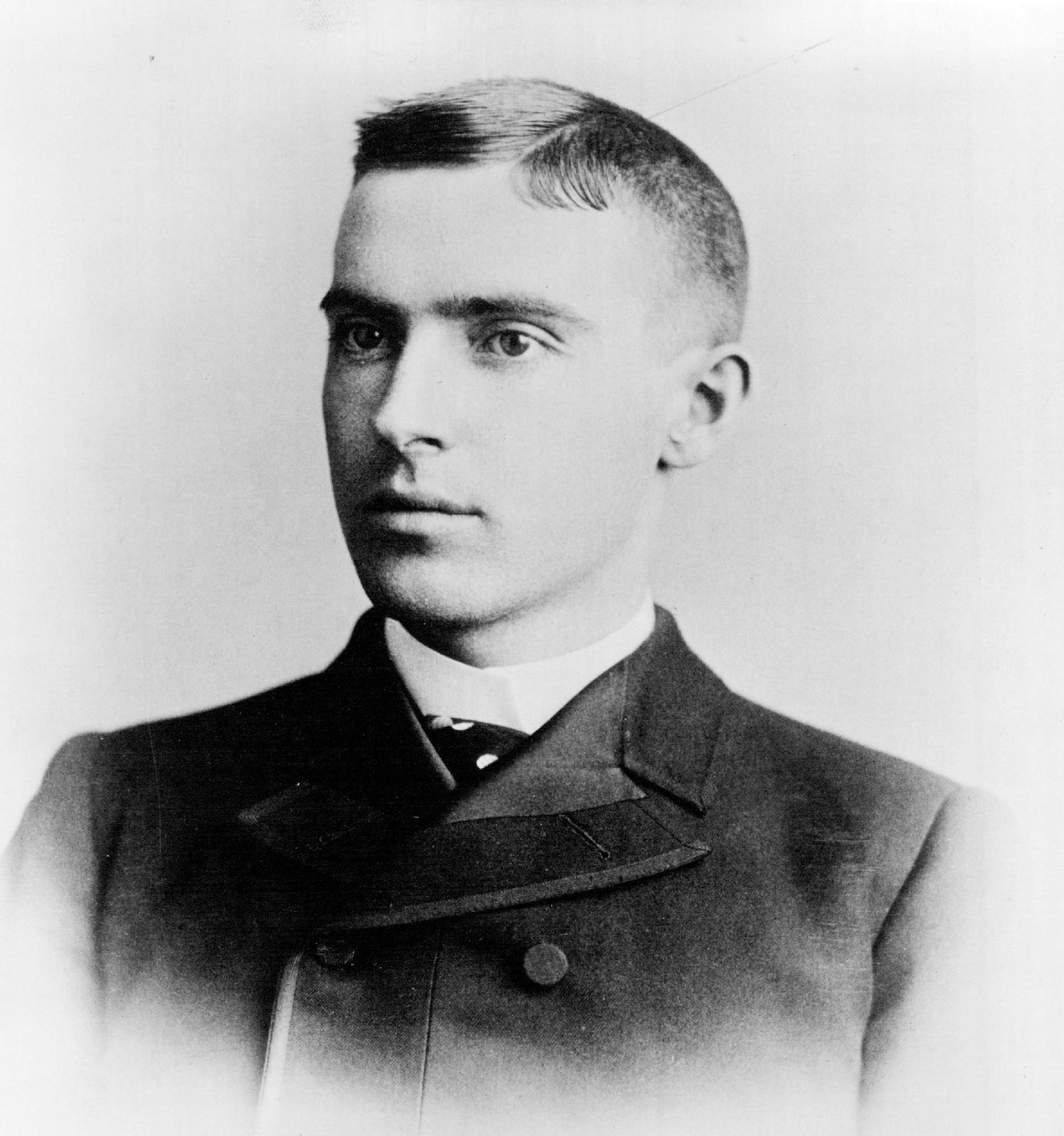
That's where Richard Warren Sears was born — the oldest of James and Eliza Sears' three children. Their home at 305 N. Main Street is now perched on the National Register of Historic Places.
Richard Sears' father was a New York-born blacksmith, wagon maker and Civil War veteran who fashioned some of Dr. William Mayo's first surgical tools. When Richard was 14, the family moved about 150 miles west from Fillmore County in southeastern Minnesota so his father could try raising cattle. The livestock gig failed, forcing the elder Sears to go back to blacksmithing in Heron Lake, near Worthington.
Richard Sears went to school in Heron Lake, attended one year of high school in Mankato and studied to become a telegraph operator at 16. After telegraphy stints in rail depots in South Dakota and North Branch, Sears landed a job at 22 at the train depot north of Redwood Falls. He augmented his pay by selling coal and lumber and even pocket watches on the side.
"The idea of Sears began in 1886, at a terminal alongside a railway track in the middle of nowhere, when a twenty-three-year-old man came upon a means of selling gold-filled pocket watches to rural folks who previously marked their lives by the movement of the sun," author Donald R. Katz wrote in his 1987 book, "The Big Store."
When a Redwood Falls jeweler declined to sell a shipment of watches on consignment, Sears received permission from the Chicago watch company to sell them himself — peddling the $12 timepieces for $14 to turn a $600 profit.


