MILACA, MINN.
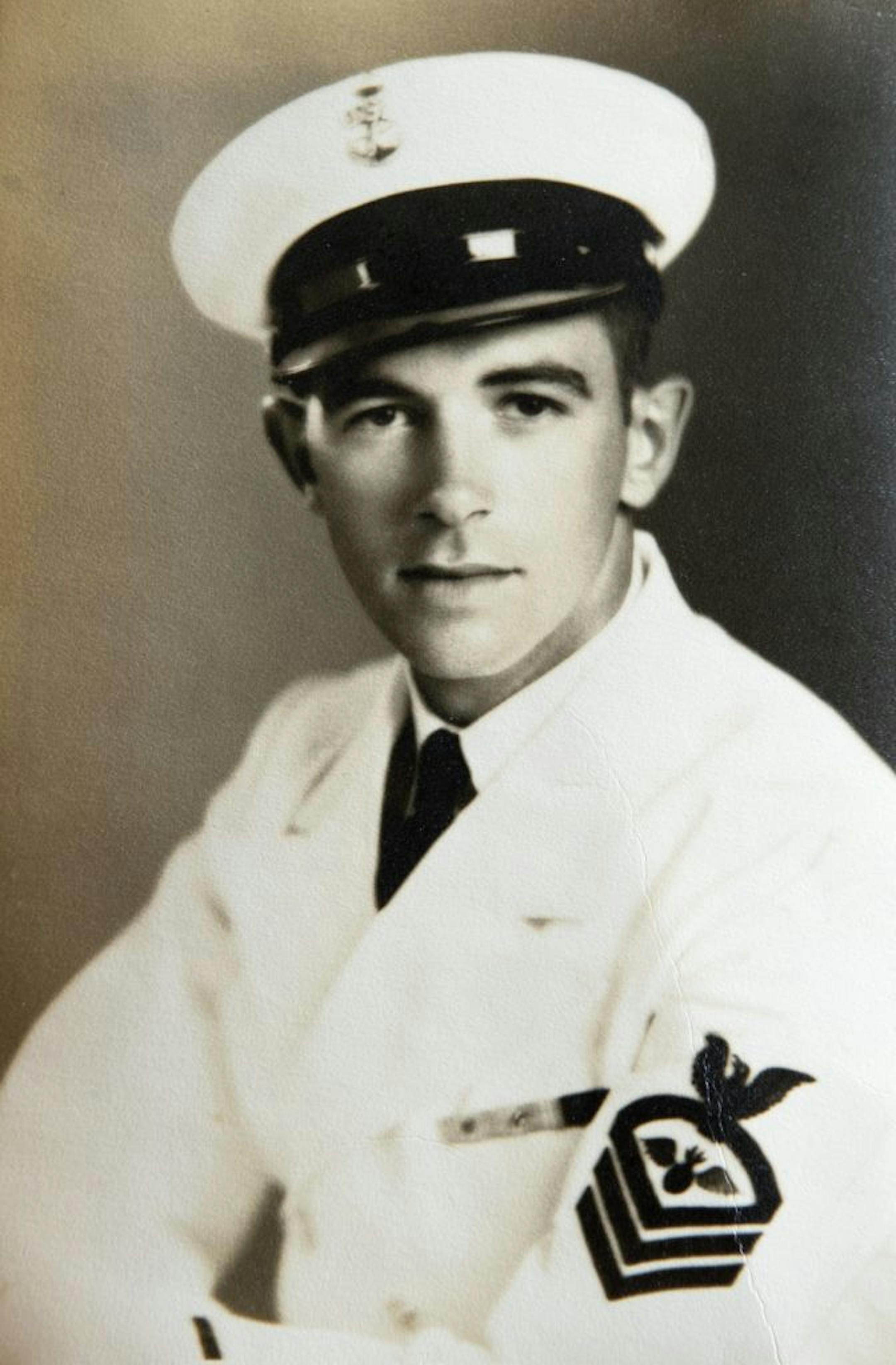
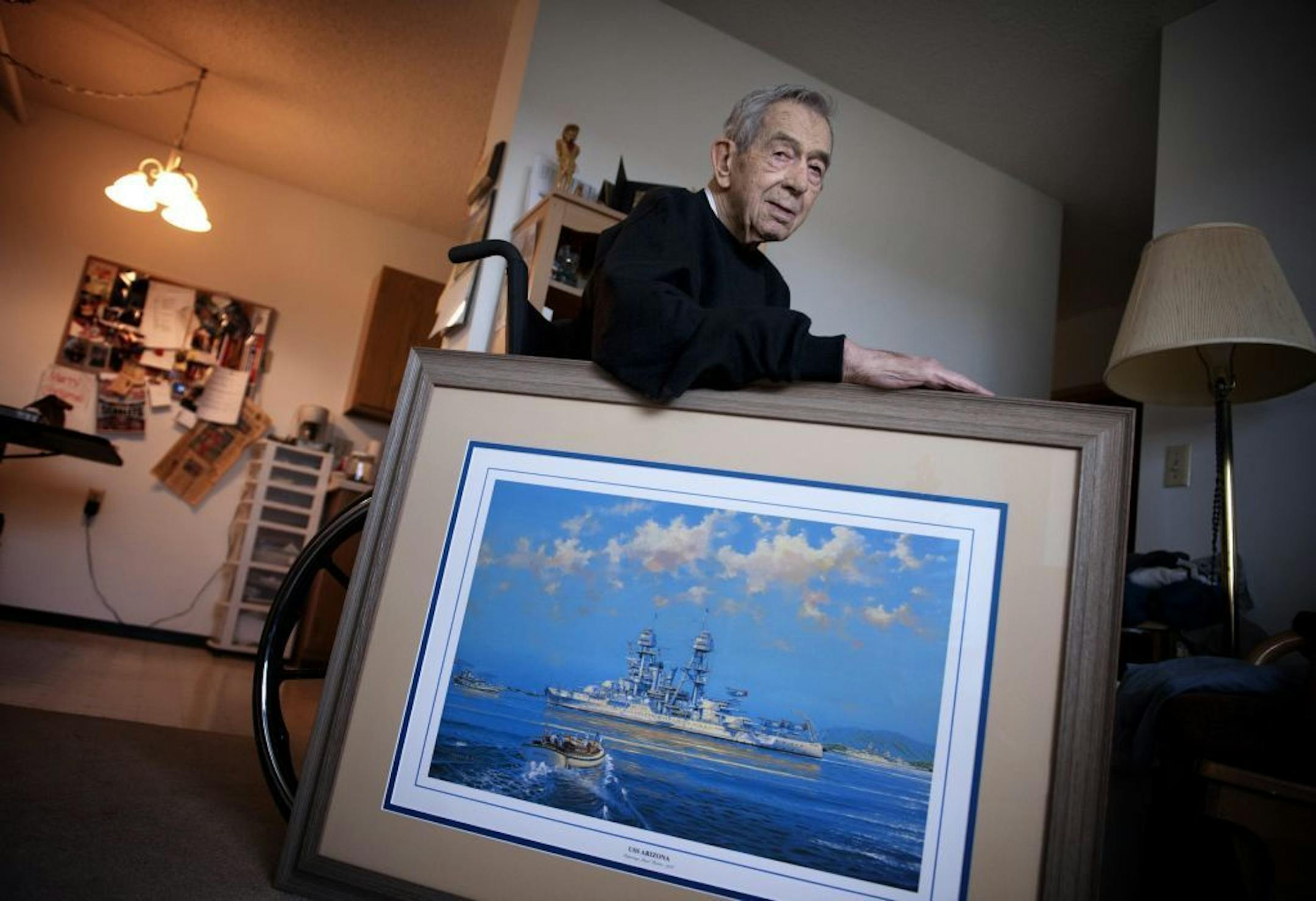
At age 95, Edward Wentzlaff is, in time and distance, far removed from the teak deck of the battleship Arizona, where he was standing on that now-infamous cloudless Sunday morning in Pearl Harbor 71 years ago Friday.
But in his tack-sharp memory, the sounds, smells, horrific sights -- and the concussion from the blast of a Japanese bomb that ignited the ship's ammunition magazine, killing 1,177 of his comrades -- remain vivid and haunting.
Only a pause, then a split-second decision to go to his battle station instead of following other sailors fleeing the airborne carnage below decks saved his life. He was one of 335 Arizona survivors, and one of about a dozen still living -- the only survivor in Minnesota.
"Everybody went down that ladder but me. I don't know why or what made me change my mind -- I've never known," he said. "But every one of them got killed."
The Japanese attack on the U.S. Pacific Fleet at Pearl Harbor killed more than 2,400 Americans, stirring an angered nation from its ambivalence about entering World War II. Nine battleships docked in a neat row, with the Arizona second from the end, rested serenely on the southeast shore of Ford Island in the harbor; aircraft were lined up on the island's airfield and at nearby installations. The attack's surprise, and devastation, were nearly complete.
That's history, and it's important. But for combat veterans like Wentzlaff, the war was personal. As painful as it has been to relive that day for the past seven decades, he has felt duty-bound to bear witness to that history, and to its terrible personal cost.
"I was on that ship for 2 1/2 years. I can't say any real friends survived," he said. "It was a wonderful ship, and we had a great crew."