

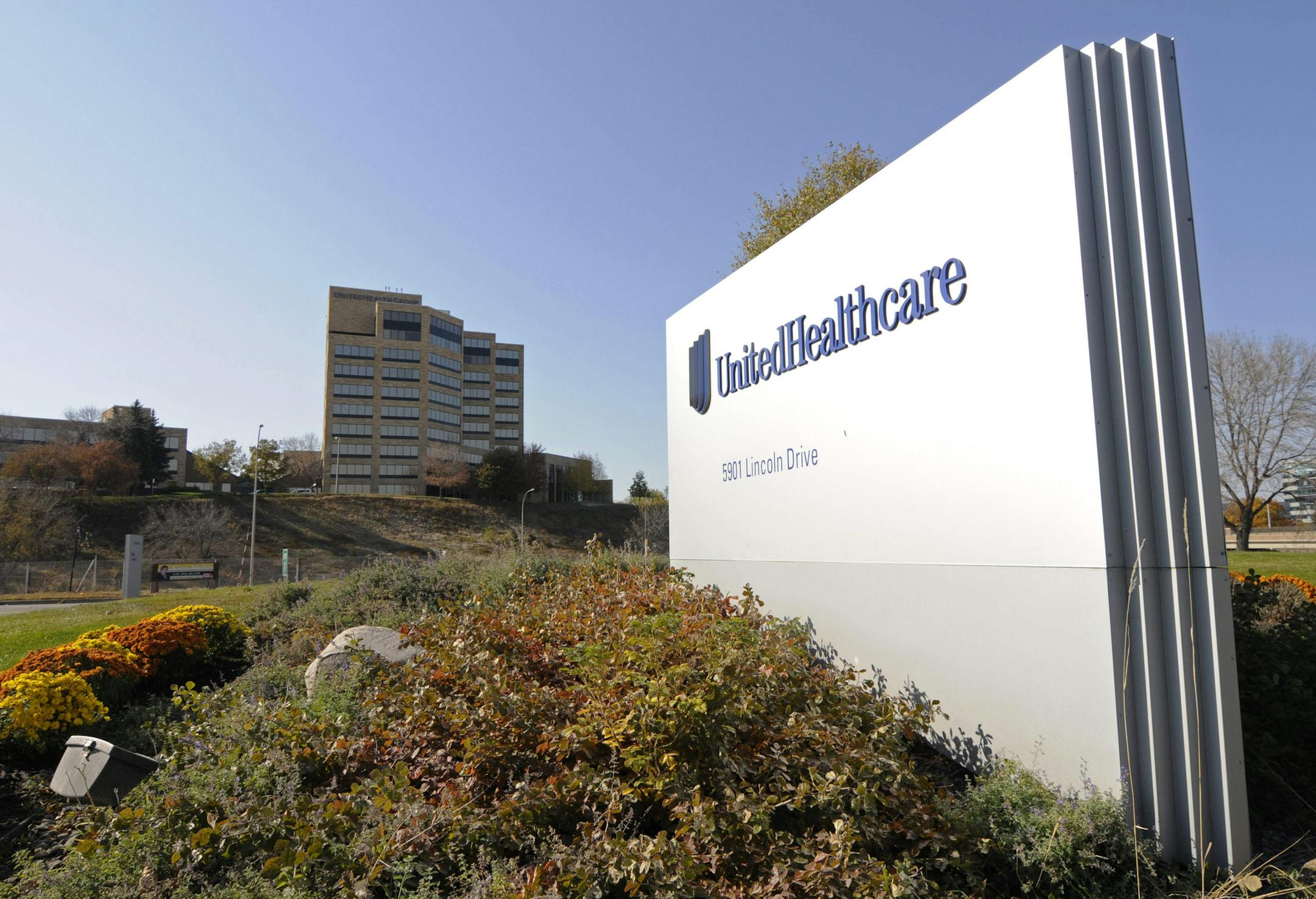
UnitedHealth Group might be a more credible voice on universal health insurance coverage and Medicare for All if it hadn't been the first big company to bag the public exchanges where lots of low-income people in recent years have bought their health insurance.
The exchanges that came with the Affordable Care Act were never really a big part of the business for UnitedHealth, but its experience with the ACA says a lot about how big insurance companies react to changes out of Washington that are meant to improve the lives of Americans.
The big companies are happy to help, so long as it doesn't cost them anything.
This was all in the news last week because UnitedHealth CEO David Wichmann decided to share his disdain for the potential of Medicare for All at the start of an investor conference call, citing the "wholesale disruption" in the healthcare system that would follow if it ever got enacted.
His comments came on a day that the Minnetonka-based company reported excellent growth in revenue and profitability, along with rising financial expectations for the year.
Yet the stock slipped 4% on the news. One explanation is that UnitedHealth, the biggest company in the business, suddenly seemed a little worried about Medicare for All.
It's no surprise UnitedHealth doesn't much like the Medicare for All ideas that are currently getting a lot of attention, because they generally would mean that the government would be funding all the health care.
"The path forward is to achieve universal coverage," Wichmann told investors and analysts last week. "And it could be substantially reached through existing public and private platforms."


