

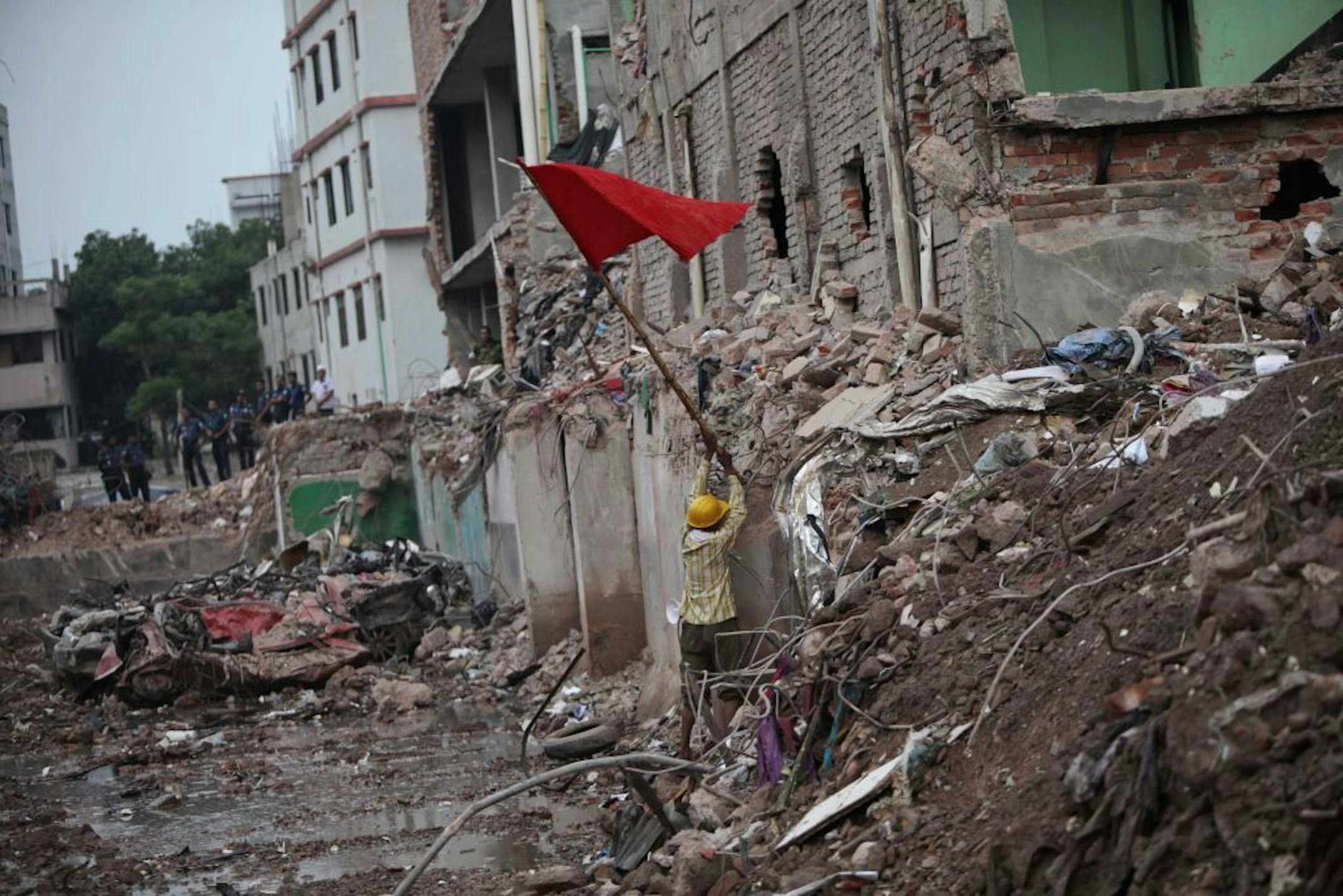
Target has been lying in the weeds since the late April collapse of an eight-story garment factory killed more than 1,100 workers near Bangladesh's capital city of Dhaka.
It was mostly good luck that no Target products were sewn in that building, as Target is very much part of the industry that buys clothes made in the world's cheapest garment-labor market. And with the spotlight on others who weren't so fortunate, including the hot Canadian retailer Joe Fresh and the Children's Place, Target is content to keep very quiet.
But you would only have to go back to December 2010 to find Target apparel linked to one of these high-profile disasters in Bangladesh — the fire at a Ha-Meem Group factory that killed at least 29.
Minneapolis-based Target declined to make an executive available to discuss what it is doing to help make sure these appalling events stop happening. Instead, the company sent two lengthy e-mails describing its efforts to monitor its Bangladeshi suppliers for safety, but it's perfectly clear Target's leadership views Bangladesh as a no-win topic of conversation.
Perhaps the company has concluded that nothing good can come of having an executive get asked about buying clothes made where the average wages are reportedly $64 per month and factory fires have been happening more or less routinely.
Target is missing an opportunity, in its business and its public relations. It could be leading efforts to push Bangladesh into developing its political and physical infrastructure, and developing its contractors into true global suppliers.
Then workers who may never get close to North American-level wages would at least be able to go to work in a reasonably safe place.
Target is moving more or less with the industry on this issue, which means it is moving slowly. It's one of the big American companies that passed on signing the Accord on Fire and Building Safety in Bangladesh. It was signed by about 40 retailers in May, mostly European, after outrage built in Europe and North America over retailers sourcing apparel from what appears to be nothing more than a network of deadly sweatshops.


