

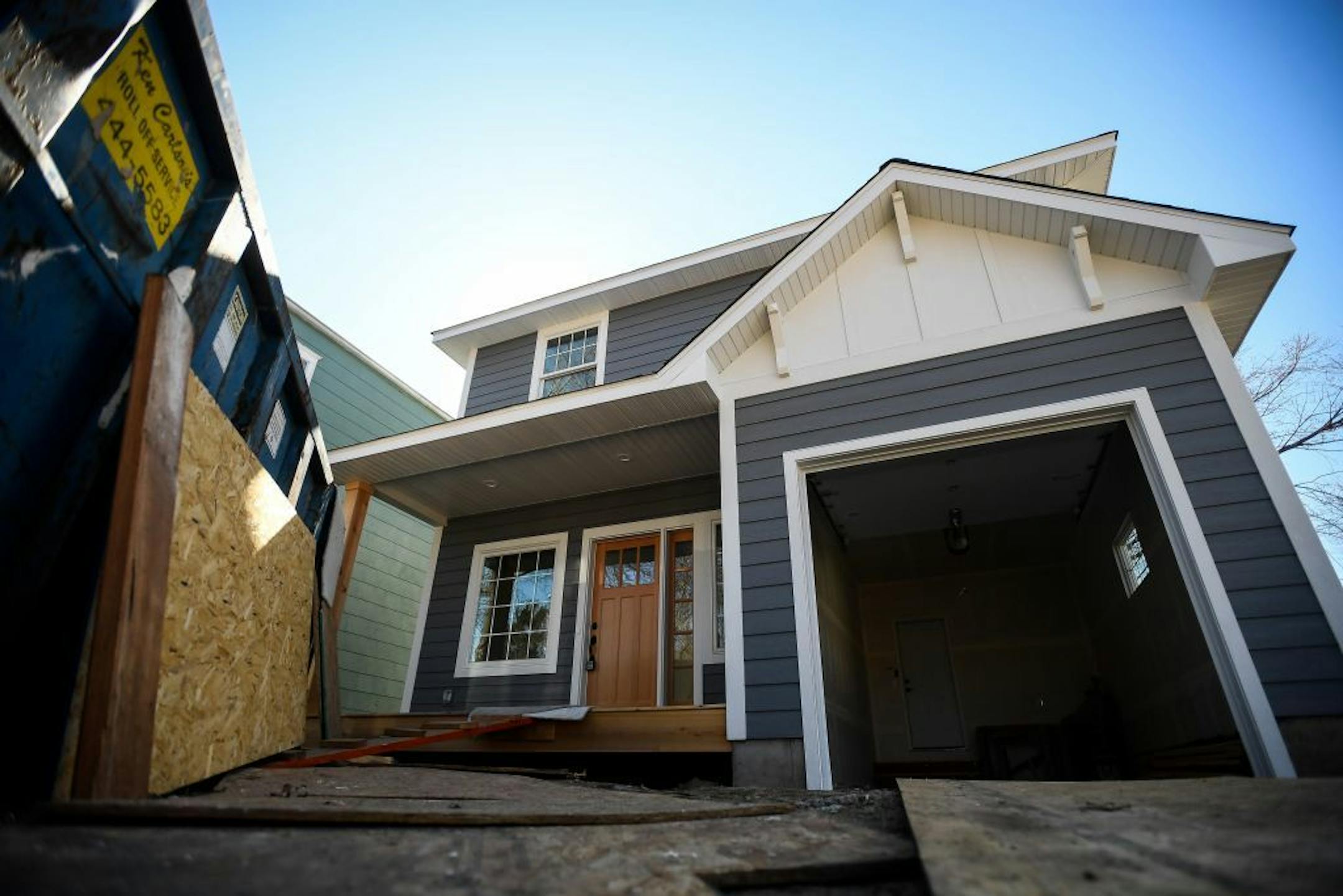
First of an occasional series on the future of housing.
Entrepreneur Chris Smith just moved a company called Kipsu into new office space in downtown Minneapolis, a long way from competitors on the coasts.
He has no intention of ever leaving, not if that means trading away the big cost advantage Kipsu has over its competition.
You don't usually hear CEOs talk about our region as a low-cost place to set up shop. Smith may have an opinion about state tax policy — I forgot to ask — but what he knows is that it's far cheaper for Kipsu staff to live a good lifestyle here than in a region with astronomical housing costs like northern California.
You would think with lower costs he would be trying to win on price, but instead he's winning on service. Kipsu can simply afford to employ far more people to solve customer problems.
Smith frames the challenge of good and affordable housing in a way you don't usually hear. It's undeniable that our region needs far more decent places to live for people who don't make much money, but that's true nearly everywhere. Red flags are popping up about housing availability for a far broader swath of the Twin Cities, like in the dearth of so-called starter homes.
An analysis by the Seattle real estate firm Zillow found that the reason more starter houses aren't hitting the market is that a big percentage of the people who currently own them can't qualify for a mortgage on a bigger place.
What this tells us is that we are at risk of squandering a key advantage for the region, the availability of a high-quality lifestyle at a reasonable cost.


