Business leaders looking for a smart way to influence the most controversial questions in public life can do much worse than follow the example of Cargill and its former CEO, Greg Page, on the question of addressing climate change.
The reason you haven't heard that a high-profile executive like Page has become a climate change activist, is because, well, he really hasn't. He doesn't go on TV to demand passage of a new tax on carbon emissions, and he doesn't seem likely to start.
Instead all he's asking is that business managers make the risks inherent in a changing climate a regular part of their planning.
Page, who remains executive chairman of Cargill, calls his approach "starting in the middle." He noted that there's no shortage of loud voices at either end, and if climate change "believers" want to argue with the climate change "deniers," they can have at it.
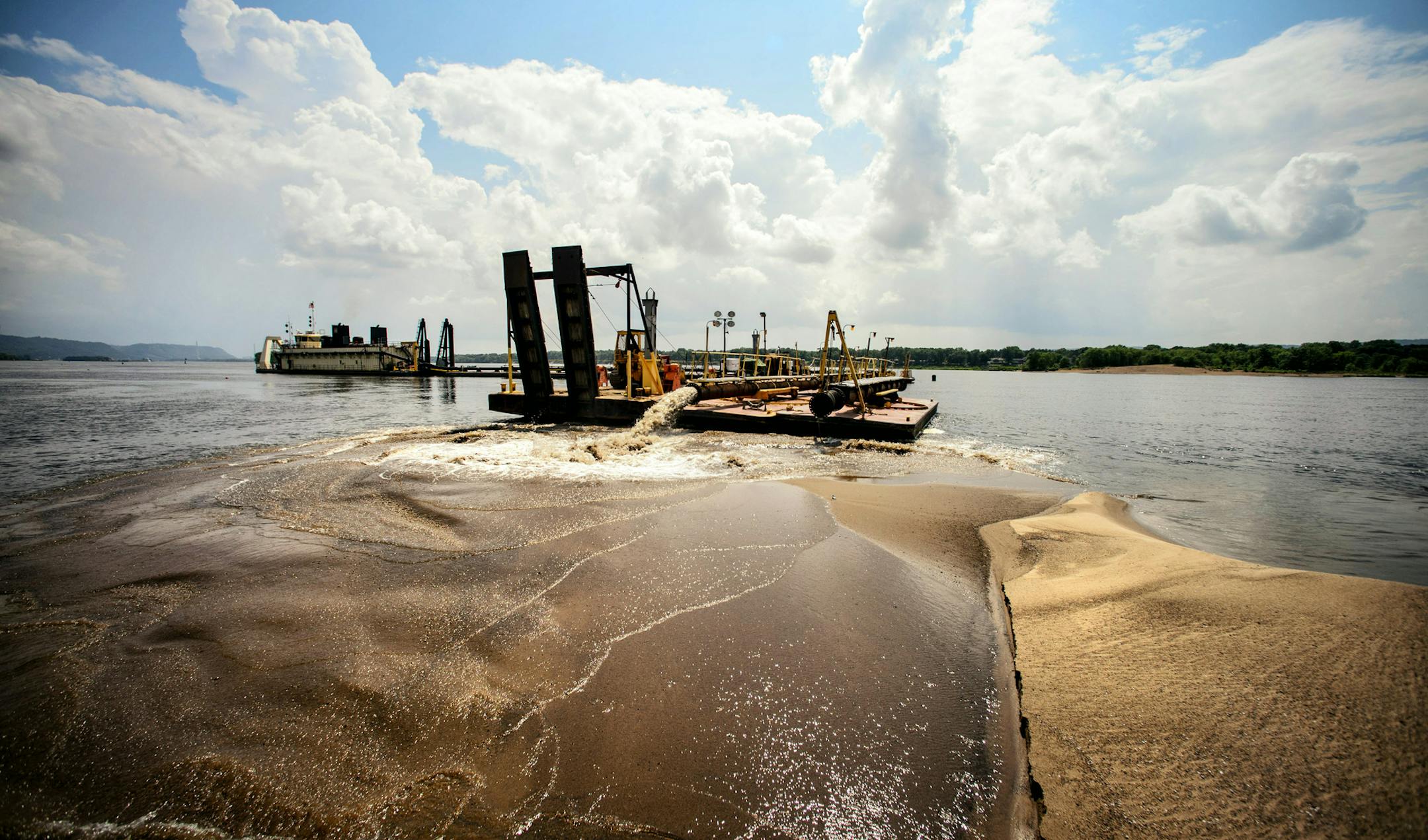
Page would rather talk about taking steps now to make sure Upper Midwest farmers can see their grain continue to be shipped on river barges, as big swings in water levels brought on by extreme drought and excessive rain become more common. That's managing a risk.
And yes, this kind of thinking in business could be a very big difference maker on whether the public swings around to supporting action on the threat of climate change. Watch the business leaders, not what they are saying, but how they're investing their money. That should say quite a lot.
In a conversation last week in his office at Cargill, Page explained that he wasn't exactly eager to join a climate change discussion when former Secretary of the Treasury Henry Paulson invited him to join the risk committee of a research project Paulson and two others had started.
Not that he doesn't find this topic to be important to Cargill. He sees very little for a corporate leader to gain by weighing in on a public policy issue that doesn't really touch the mission of the business, but climate change is close to home for his company.