

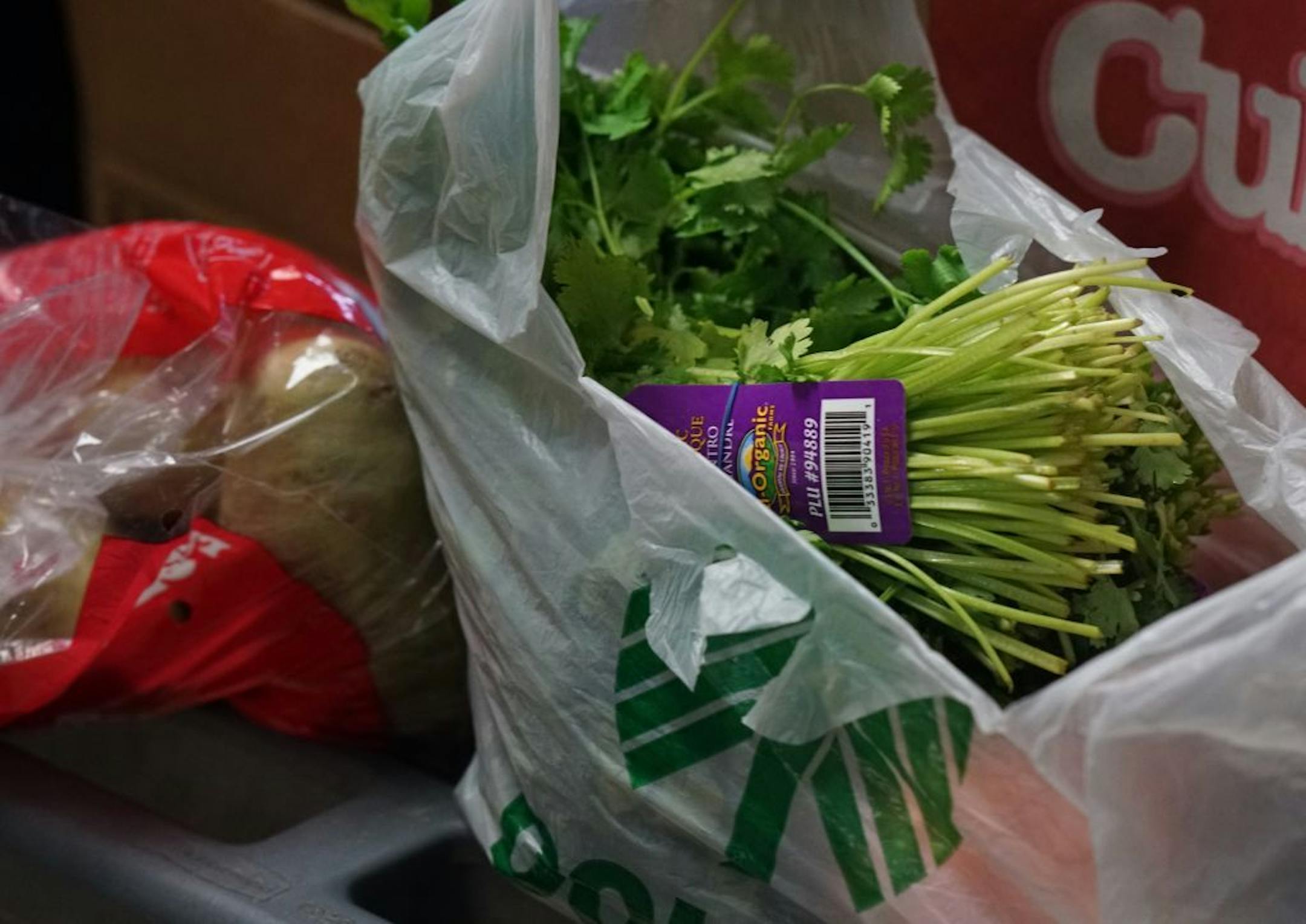
"Mami! Mami!" the little girl calls out when her mother returns home with bags of fresh fruit and vegetables, milk and yogurt. "You filled up the refrigerator! You filled up the cupboards!"
The little one is an American citizen, enrolled in the federal food stamp program. Her mother, who entered the country illegally to work, now lives in the western suburbs and makes grocery runs that feel like calculated risks.
The mother's friends urged her to drop out of the Supplemental Nutrition Assistance Program. You could be arrested, they warned her, even though nothing like that has happened or is likely to happen to families enrolled in the program. You could be deported. They could take your kids away. "The heart of the president is really small," the mother said through a translator, cupping her hands tightly together to show just how small President Donald Trump's heart must be. "I don't feel very safe right now."
But her husband is injured and can barely work, and their 2-year-old has epilepsy. So she keeps her girls enrolled in the program and waits in dread for the midnight knock on her door or the immigration raid at her workplace.
Other immigrants are dropping out of public nutrition programs, though. In a study released last week, researchers interviewed thousands of immigrant parents, including mothers in Minneapolis. The harsher the president's rhetoric — separating families at the border, suggesting a plan to deny legal immigrants a shot at citizenship if they seem like they'd need too much government aid — the more families stopped asking for the help they were legally entitled to receive. It's Thanksgiving week and the Trump administration is scaring hungry families away from the table.
"There's a panic," said Ekta Prakash, executive director of CAPI, a Brooklyn Center-based nonprofit that connects refugees and new immigrants to jobs, housing, food and social services. The people who come into the immigrant opportunity centers entered the U.S. legally but are nevertheless scared, despite the staff's efforts to reassure them, that asking for help today will cost them their futures.
At ECHO Food Shelf in Mankato, the shelves are stacked high with fresh produce, baked goods and a rainbow of boxed and canned pantry staples. On a recent weekday, volunteers were clearing space in the room-sized freezers for turkeys and Thanksgiving trimmings.
Despite an economy that's improving on paper, Minnesota food shelves are scrambling to meet demand. Unemployment is low, but many of those jobs are part time or don't pay enough for families to cover the cost of rent, car insurance, doctor bills and groceries.


