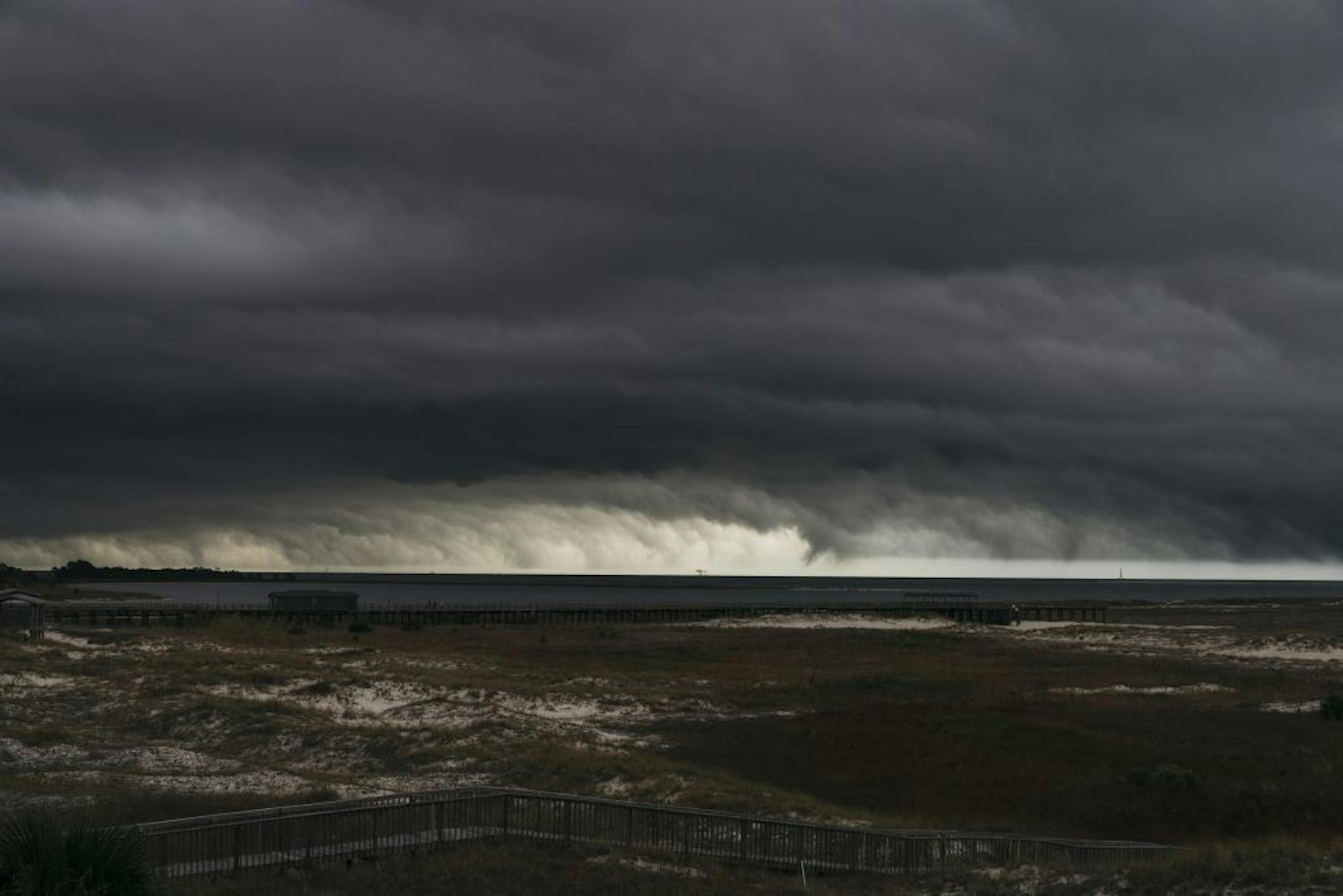
DAUPHIN ISLAND, Ala. – It was 6 a.m. at the dock in December, and the weather did not look promising. Fog hovered over the water, and the engine of the Research Vessel E.O. Wilson rumbled.
But by 7:30 the crew, a team of biologists, chemists and microbiologists, reached its destination: a secret world where land and sea swap places, and past, present and future collide.
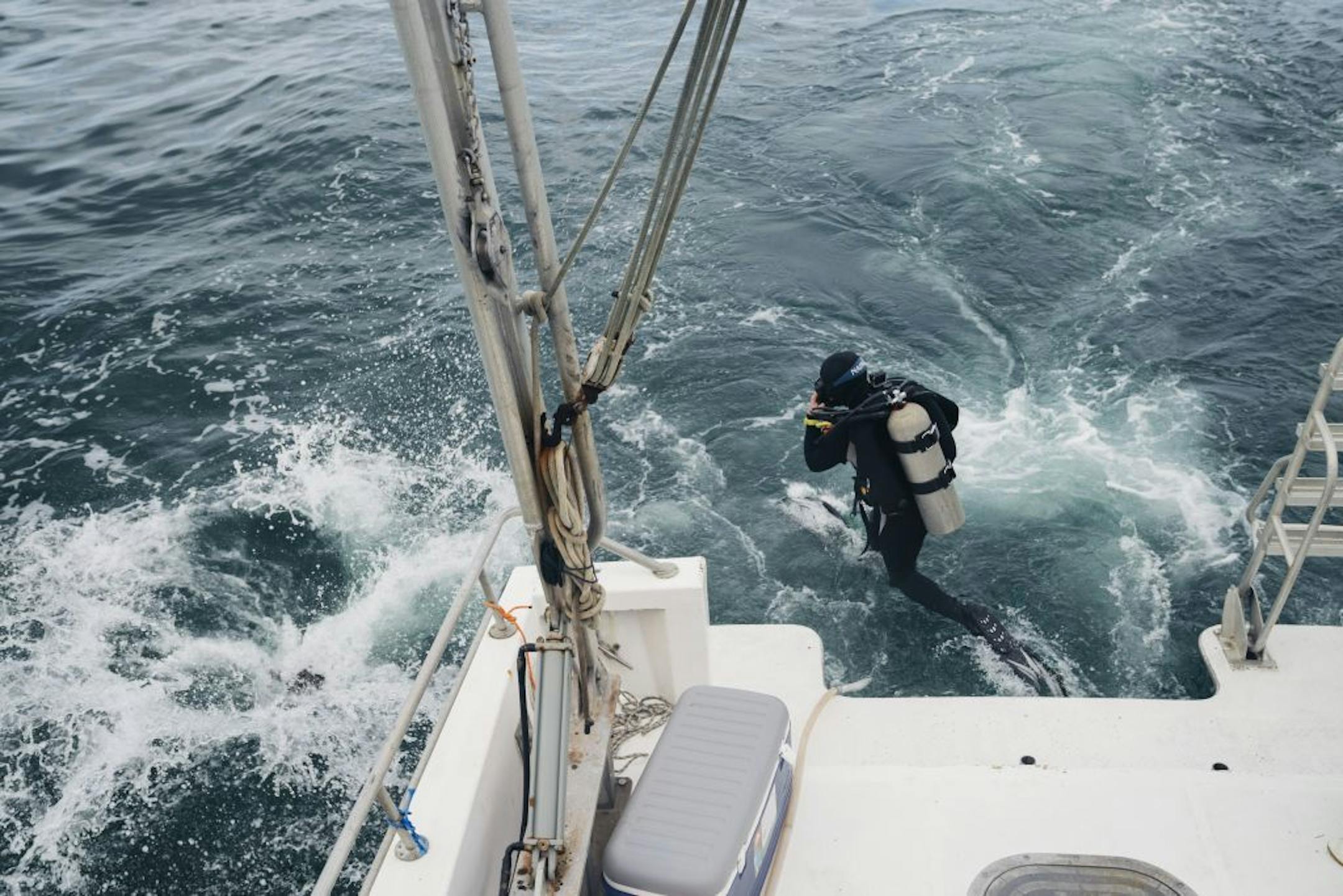
This is the underwater forest. Its unusual residents, shipworms and related marine organisms, could serve as incubators of unexpected medicines, churning out new lifesaving formulas and compounds that may not be found anywhere else on the planet. But first the group of scientists had to manage to dive 60 feet beneath the ocean's surface to recover their unusual subjects.
"Underwater forest" is not a metaphor — this is a not a coral reef or a sea grass bed that resembles surface woodlands but bona fide trees with roots and leaves. For thousands of years, this cypress grove — about two football fields long and 5 feet wide — lay silent, preserved within an oxygen-less tomb of sand and sediment. Then came Ivan.
In 2004, the hurricane ripped through the Gulf of Mexico, kicking up 90-foot waves. It scooped up nearly 10 feet of sand from the seabed, awakening the forest beneath.
Few have seen it, and those who have keep its location secret. But they entrusted this group of scientists, led by Dan Distel, a shipworm marine biologist and director of the Ocean Genome Legacy Center at Northeastern University, with the highly guarded coordinates.
With a grant from the National Oceanographic and Atmospheric Administration, this group aboard the E.O. Wilson was the first to explore, document and study the shipworms and other marine xylophiles that moved into the forest when it emerged.
Shipworms, the scientists say, are critical for drug discovery. As aging populations increase and antibiotic resistance threatens public health, the medical field is seeking a new frontier that might yield novel drugs to treat conditions such as cancer and chronic pain, and to stem deadly infections. So they're turning to these aquatic wood-lovers and their symbiotic bacteria, which are great chemists.