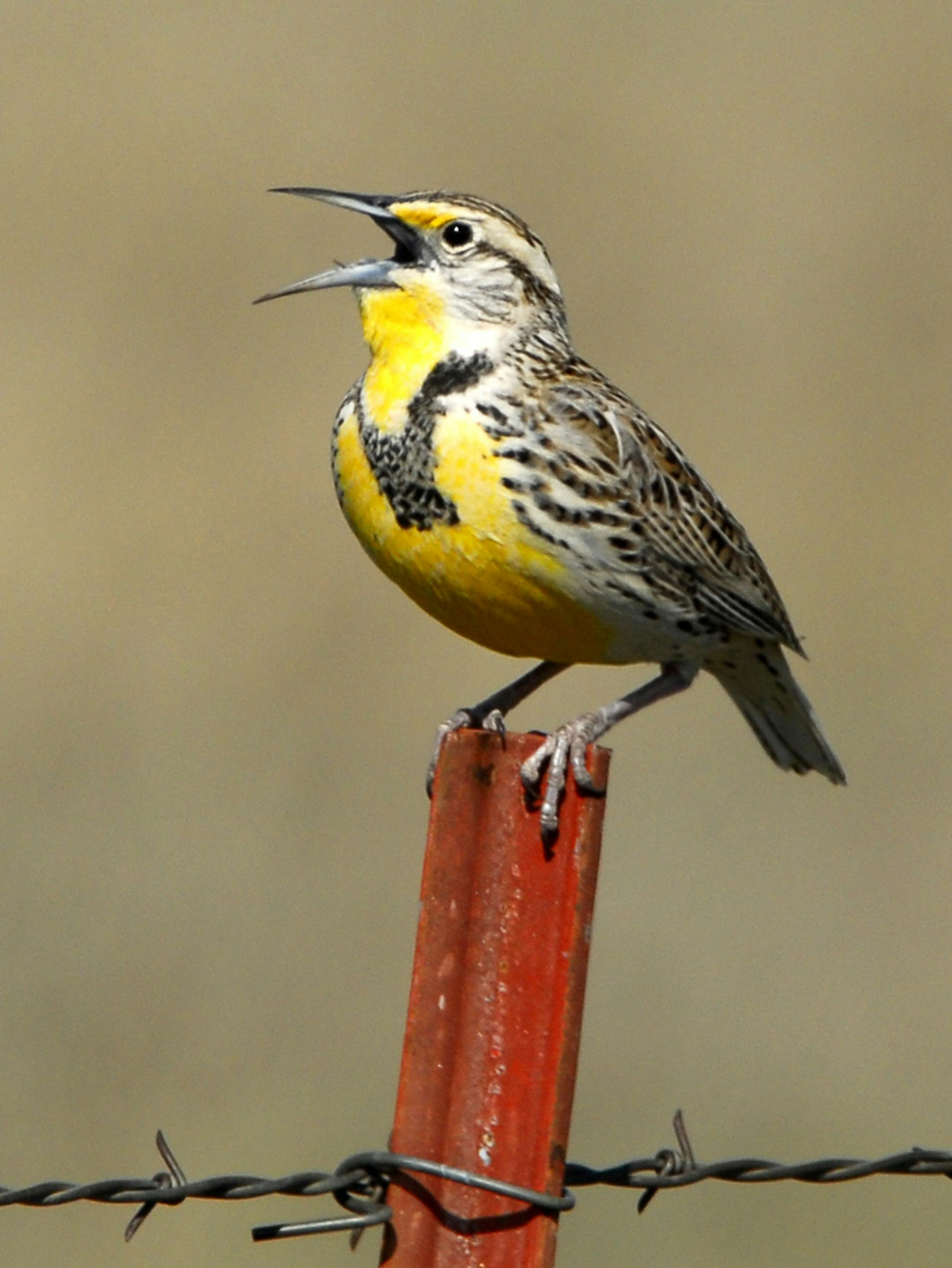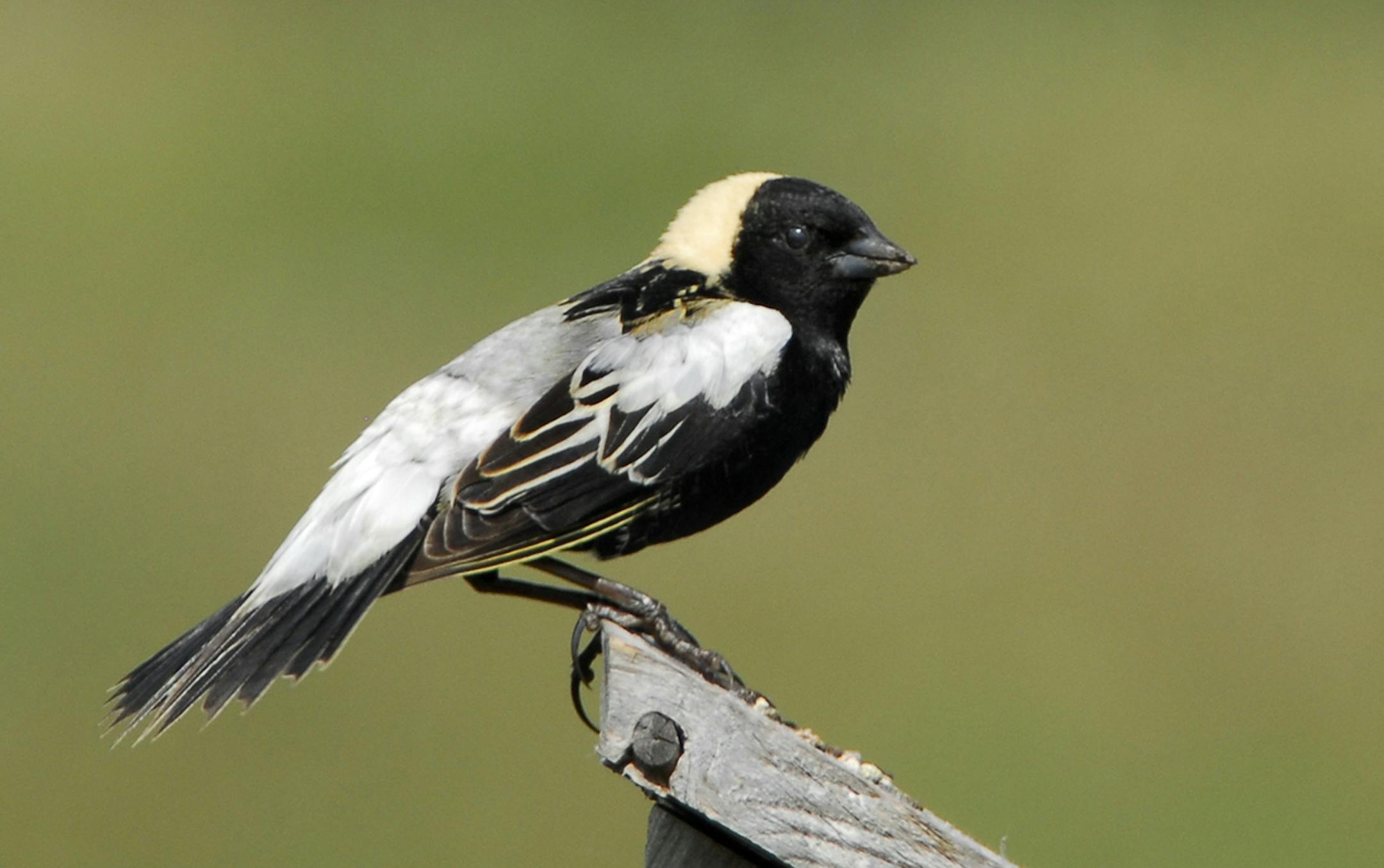
Q: We see few, if any, meadowlarks or bobolinks on our farm or pasture these days. Are they on decline and will planting wildflowers help them?
A: Yes, populations of these two species of grassland birds are in severe decline, a sad thing because their haunting songs used to add to the beauty of fields and farms. Both species seem to require large swaths of open land to breed successfully and so much of this is disappearing due to changing farming practices and suburban sprawl. Planting wildflowers sounds like a good start. You can read more about the downward trend among grassland birds in the 2014 State of the Birds report prepared by conservation organizations and government agencies and you'll find suggestions for improvement in the Natural Resources Conservation Service's grassland birds guide. Both reports are available online (http://stateofthebirds.org).
Avoiding incest
Q: Is inbreeding a problem in the bird world? If not, how do they avoid it?
A: That's a very good question, and I needed to do some research before replying. If birds bred with close relatives, this would increase the chances of their offspring having genetic disorders and weakened immune systems. Over time this could lead to decreased biological fitness for the species. But birds have a simple and savvy way to avoid inbreeding — their young disperse after leaving the nest. When breeding season comes around again, they're nowhere near their relatives. In one study researchers concluded that dispersal combined with the way most birds choose mates (randomly) leads to a very low rate of inbreeding in most songbirds. However, a few species, such as crows, where families stay together for years, show a fairly high rate of breeding with relatives.
Corny woodpecker?
Q: The blue jays love the corn kernels I put out for them, but I was surprised to see a red-bellied woodpecker feeding on the ground with them one day. I'd never seen this woodpecker behavior before, is it normal?
A: Red-bellied woodpeckers have a highly varied diet, eating everything from insects to fruit to nestling birds. They're known to enjoy corn, too, although I couldn't find any references to them feeding on the ground. Since they're known to try just about anything to see if it's nourishing, I'd bet that the sight of blue jays consuming corn kernels inspired your woodpecker to give it a try.
Posing vultures
Q: Turkey vultures spend the night in the trees near our condo and often I see them with their wings outstretched. Is this a mating ritual or could they be drying out?
A: Turkey vultures do spread their wings to take advantage of the rising sun's warmth, and to dry out after a rainstorm. This arresting sight isn't part of any courtship ritual, however.