Maggie Folkestad's father died of a desmoid tumor when she was 6 months old, but the 21-year-old college senior shares an undeniable connection with him: a desmoid tumor of her own.
Out of a million people, only four are diagnosed with the cancer-like tumor each year, but in her family, Maggie is the fourth consecutive generation to suffer from desmoids.
"I wonder what it would have been like if my dad had access to the medical care I have today," said Maggie. Desmoids are identified more effectively today, but there are still no known cures for the cancer-like tumors. The disease receives no research funding from the government because it is so rare.
"To me, desmoids don't seem that rare because I live with them," Maggie said. "I actually have three tumors, which are interconnected. The largest is the size of a softball."
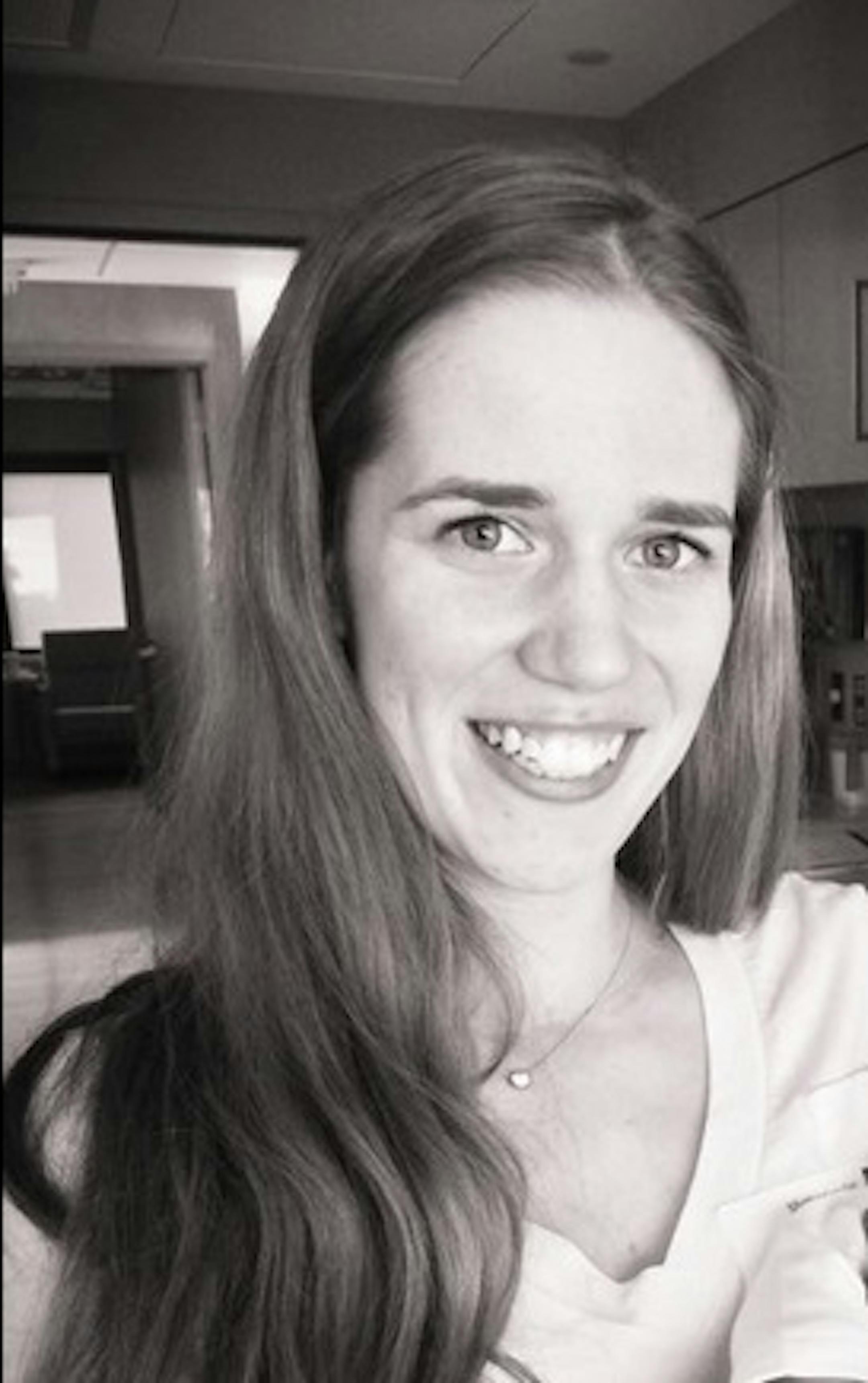
Maggie's tumors were caused by Gardner syndrome, which is hereditary. The disease is characterized by polyps inside the colon, tumors outside the colon and the tendency to be passed down from one generation to the next.
The disease has taken Maggie's biological father and her great uncle. It has also caused her to be poked and prodded for medical tests since she was a kid; colonoscopies started at age 10. When Maggie turned 16 and got her driver's license, she developed pre-cancerous polyps which forced her colon to be removed. But for all the damage the disease has wreaked, it has failed to hinder Maggie's spirit.
"It doesn't change who I am, or how I live," Maggie said. "I don't let it."
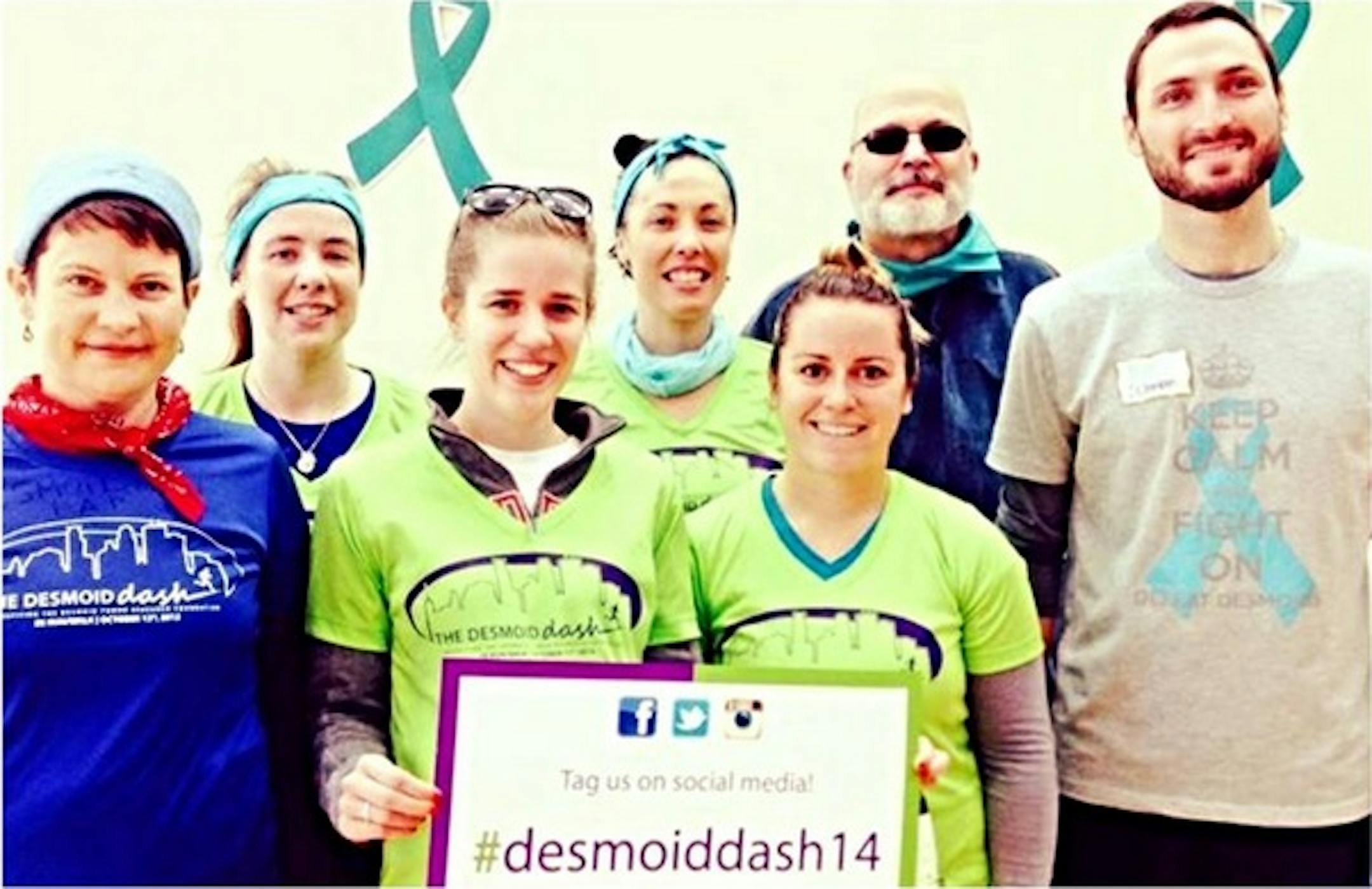
The Edina native is taking a stand, not only by continuing her education at the College of St. Benedict this fall, but also by putting together a team to run in the Desmoid Dash 5K on Sept. 19 to raise awareness and money for desmoid research. All monies raised at the Desmoid Dash will go directly to the Desmoid Tumor Research Foundation and the current study at Duke called "Collaboration for a Cure."