

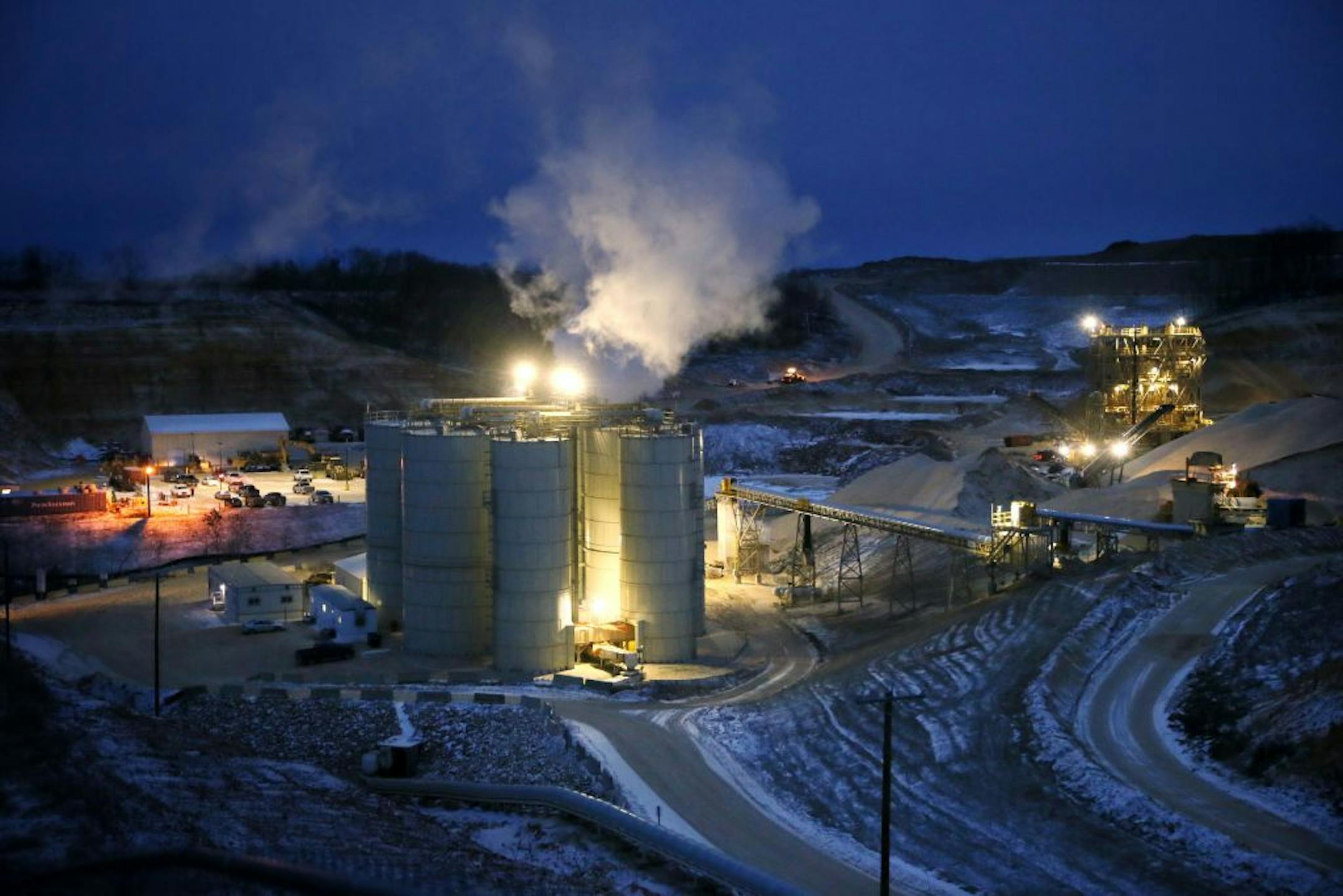
PRESTON TOWNSHIP, WIS. - When the biggest frac-sand mine in Trempealeau County opened here in 2011, even the dead were shown consideration.
The county issued an operating permit that banned blasting during funeral services at a nearby cemetery. In deference to other community concerns, it also blocked the company from mining on evenings and weekends, required regular air monitoring, and mandated periodic home inspections to ensure that the industrial operation wouldn't damage property in this scenic community set against a backdrop of hills and coulees.
In less than two years, those stipulations had disappeared after a new company bought the mine and sought to have it annexed to the city of Blair, which sits inside Preston Township. City officials adopted regulations more favorable to the mine and allowed it to operate around the clock, seven days a week.
The maneuver stands as an example of the way mining companies are leveraging jobs and money to exert their will in the small communities of southeastern Minnesota and western Wisconsin, where a sand rush has led to the permitting of more than 100 facilities in the past four years. It also shows how, in the absence of statewide oversight, local units of government are competing for sand mines at the expense of consistent standards.
"They have the means and monetary backing to pretty much come in and do what they want to do," said Rae Delle Nelson, a Preston Township resident who joined neighbors to fight for tight regulations before the mine ever opened.
Michael O'Neill, a former Philadelphia banker and real estate executive who founded the company that now owns the mine, declined to be interviewed for this story. The company, Pennsylvania-based Preferred Sands LLC, said in a statement that it complies diligently with regulations wherever it operates.
Ardell Knutson, the mayor of Blair, said the mine has been a good neighbor to his town and an economic asset. "What were we supposed to do?" he said. "It's kind of hard to say 'no' when it's such a good deal."
But when Blair expanded its boundaries and wrote its own permit for Preferred Sands, Preston Township didn't simply lose the mining restrictions it helped develop; it also lost the facility's future tax payments, which now will go to the city. The township's annual tax revenue from the mine -- more than $72,000 in 2012 -- will shift entirely to Blair after a five-year grace period.


