Ruffed grouse need snow for warmth, protection

December 13, 2017 at 6:34AM
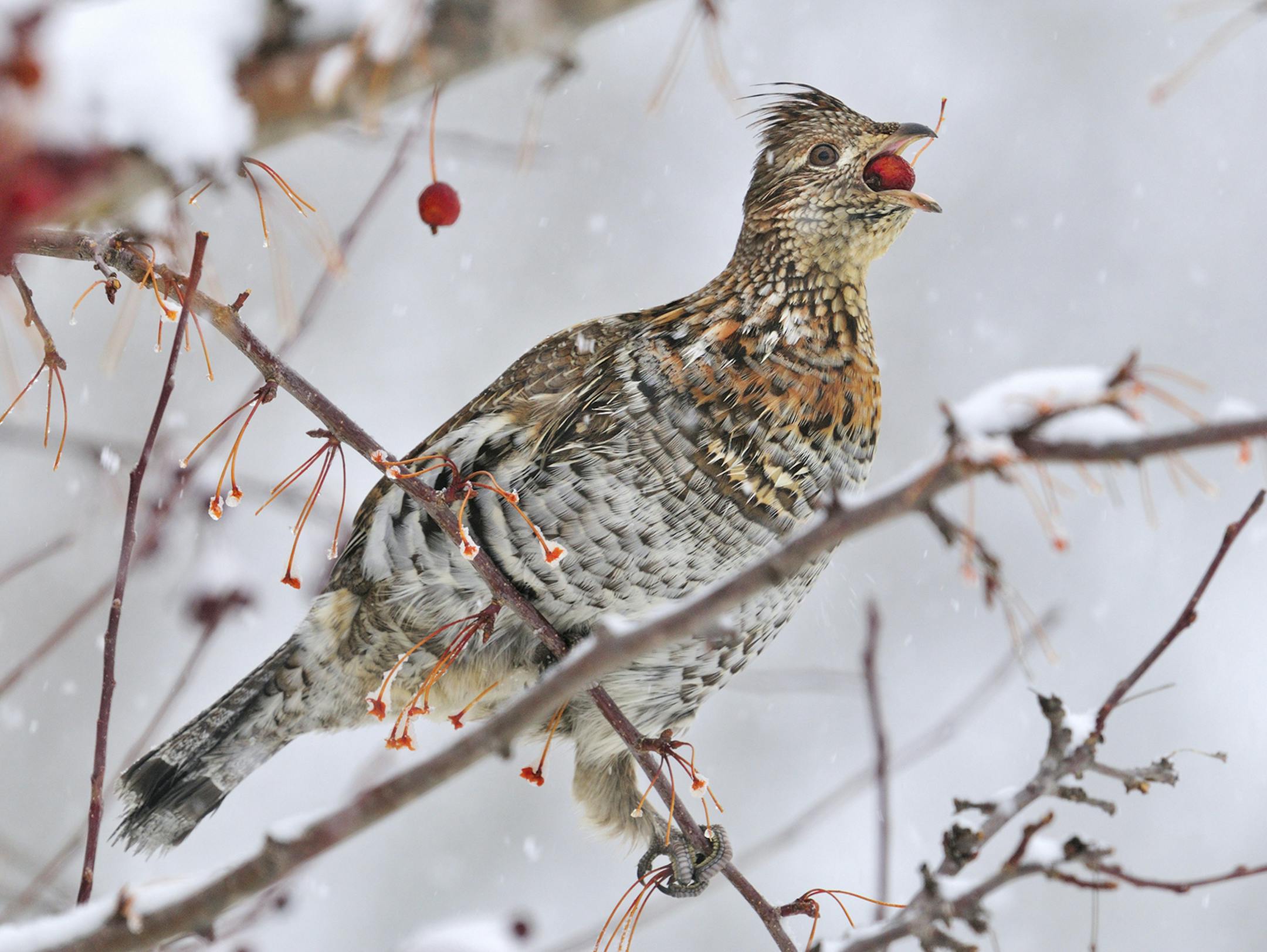
A ruffed grouse fed on crabapples during a winter snowstorm. Snow is critical for these birds in winter, helping them to stay warm while protecting them from predators.
A ruffed grouse fed on crabapples during a winter snowstorm. Snow is critical for these birds in winter, helping them to stay warm while protecting them from predators. (The Minnesota Star Tribune)

Ruffed grouse populations rise and fall, historically in 10-year cycles. No one knows exactly why. The varying availability and composition of aspen catkins might have some effect on the numbers of these birds. Perhaps also the abundance or scarcity of other foods preferred by ruffed grouse plays a role.

This year, in Minnesota, the mystery of fluctuating ruffed grouse populations grew even more mysterious.

Drumming counts recorded by the Department of Natural Resources in spring showed an unprecedented 57 percent increase in the grouse population from 2016. Yet reports in recent months from hunters and other sources indicate the population rise was illusory — and that "ruffies'' might actually have been fewer in number in Minnesota this fall compared to a year ago.

Did West Nile or another disease depress hatching success or wipe out broods this spring and summer?

No one knows.

What is known, as winter takes hold across the northern third of Minnesota, is that deep (or kind of deep) snow — a rarity here in recent years — is needed to protect these birds from avian predators such as hawks and owls, and to shield them from equally hungry mammalian pillagers, including foxes, bobcats and fishers.

To avoid presenting themselves as easy pickings for these marauders, ruffed grouse burrow into snow — when it's available — and disappear. This also allows grouse to "thermo-regulate,'' or stay warm.

The question now is whether the state's ruffed grouse will have sufficiently deep snow to keep themselves safe and warm this winter. Or whether, lacking snow for warmth and cover, their population might decline even further.
So far, only a few inches of snow are on the ground in many points north. Tons of it needn't accumulate to help grouse through the cold months. But more is needed than what is currently available.

Meanwhile, snow or no snow, hunting for these birds continues through the end of the year.


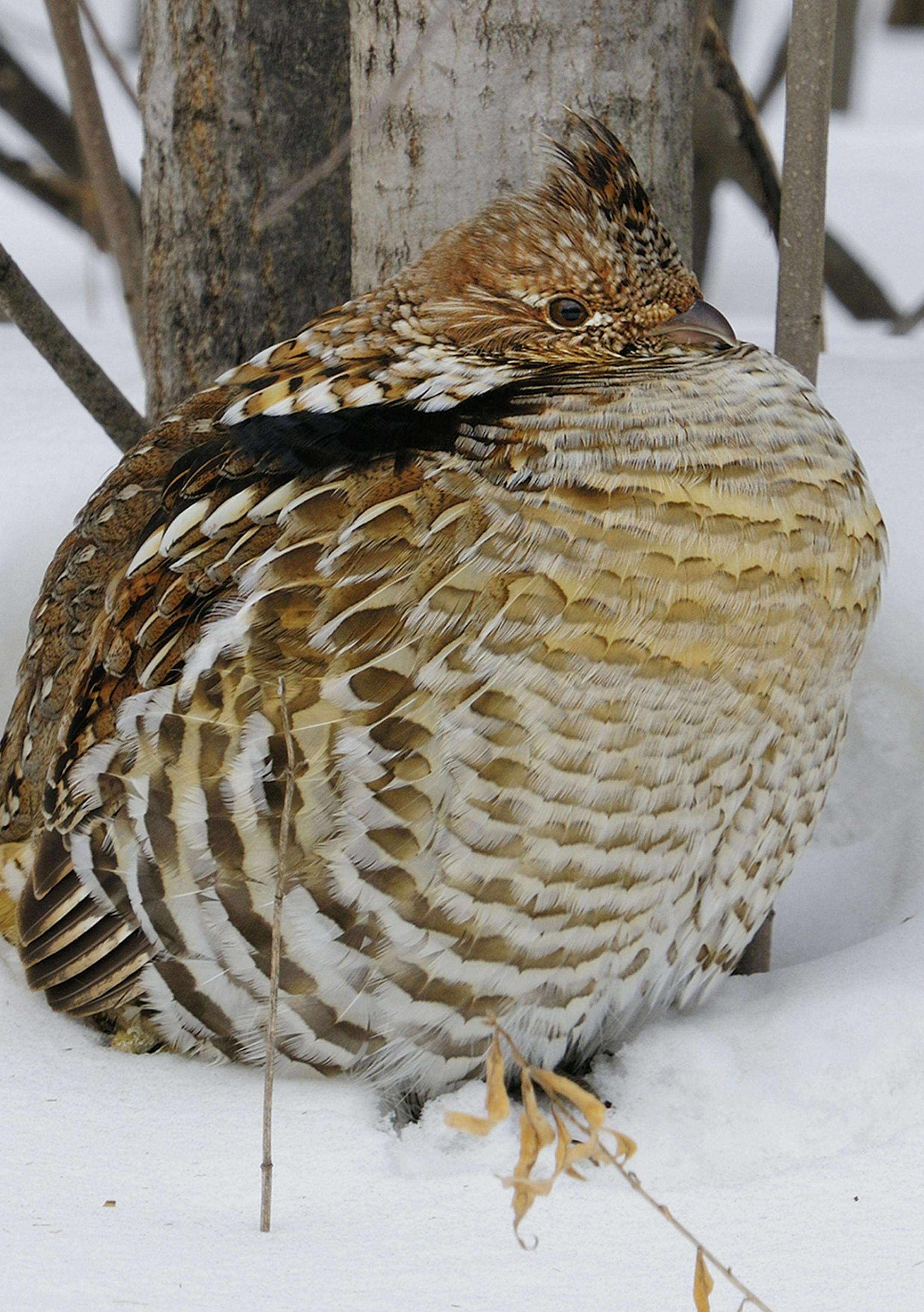
Sitting in snow alongside an aspen tree in northern Minnesota, a ruffed grouse fluffed its feathers as protection against the cold.
Sitting in snow alongside an aspen tree in northern Minnesota, a ruffed grouse fluffed its feathers as protection against the cold. (The Minnesota Star Tribune)
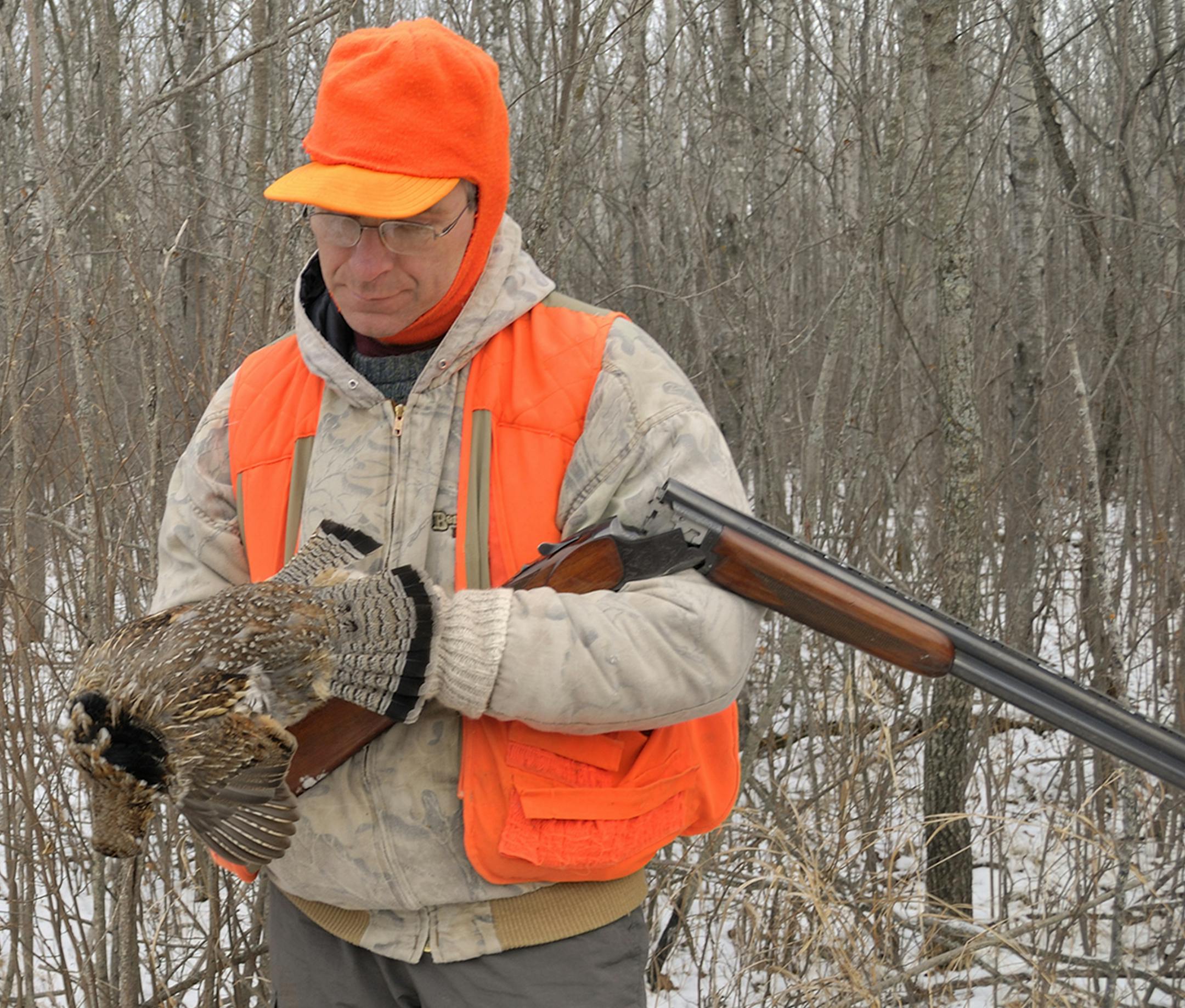
A hunter inspected a bagged grouse during a late-season hunt on snowy ground.
A hunter inspected a bagged grouse during a late-season hunt on snowy ground. (The Minnesota Star Tribune)
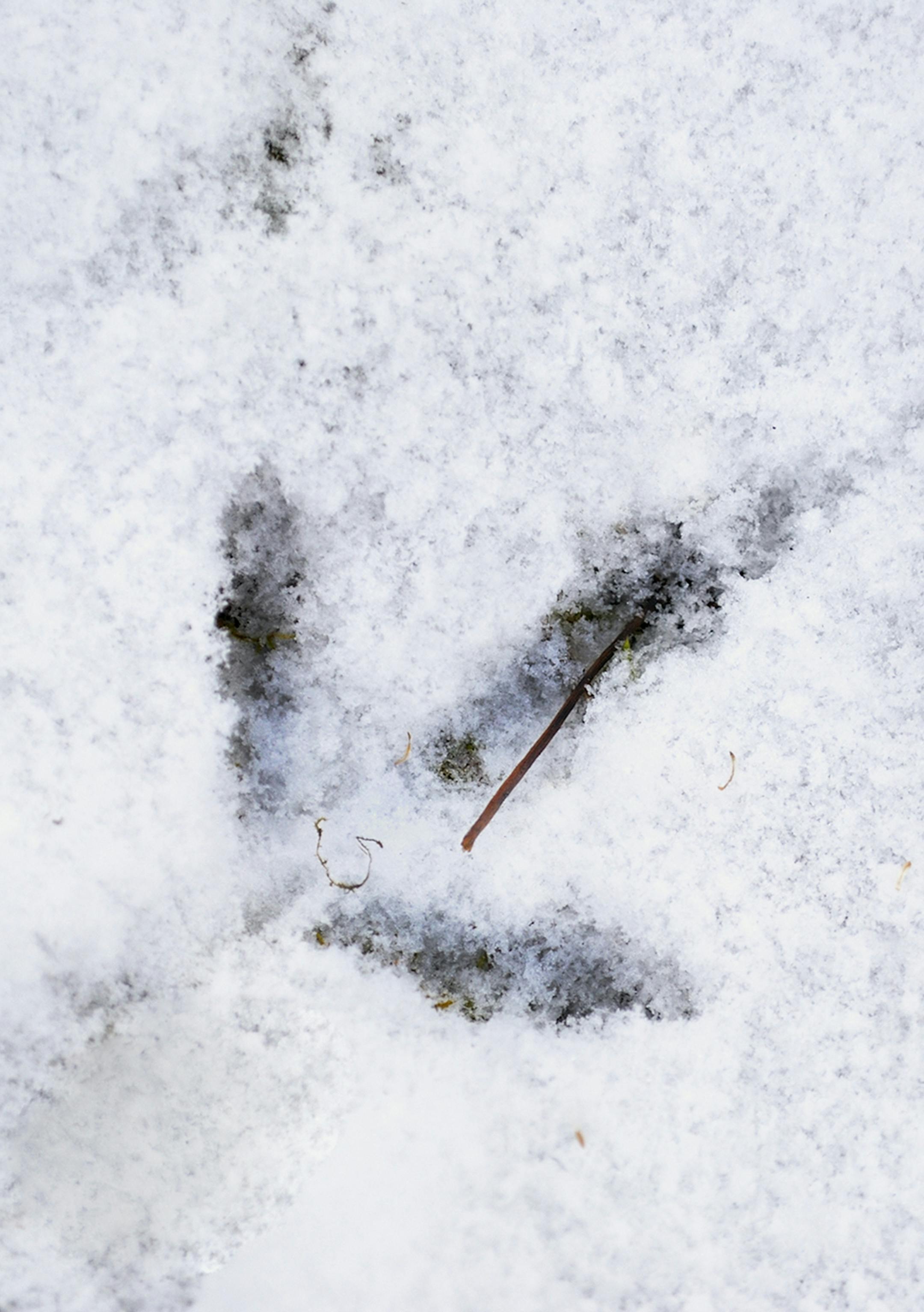
A ruffed grouse left a track in light snow while running.
A ruffed grouse left a track in light snow while running. (The Minnesota Star Tribune)
about the writer

about the writer

Dennis Anderson

Columnist

Outdoors columnist Dennis Anderson joined the Star Tribune in 1993 after serving in the same position at the St. Paul Pioneer Press for 13 years. His column topics vary widely, and include canoeing, fishing, hunting, adventure travel and conservation of the environment.

See Moreicon