

Editor's note: Tony Brown's bicycling column appears twice a month in the Outdoors Weekend section.
In Minnetonka, one of the best ways to sour a conversation these days is to mention the phrases "mountain bikes" and "Lone Lake Park" in close succession.
In California, Oregon, Colorado and British Columbia, prosecutors have been arresting hikers who allegedly laid hidden traps and obstacles on forest paths newly opened to people on mountain bikes.
In Congress, the Senate and House are in their third year arguing about the proposed introduction of mountain bikes in paths through federally designated wilderness areas, including some potentially bikeable trails in the Boundary Waters Canoe Area.
What all these instances have in common is: profoundly awkward discourtesies among usually unified outdoorsy people and someone's fanciful belief that hikers and bikers don't mind each other's company in the woods and on the prairies.
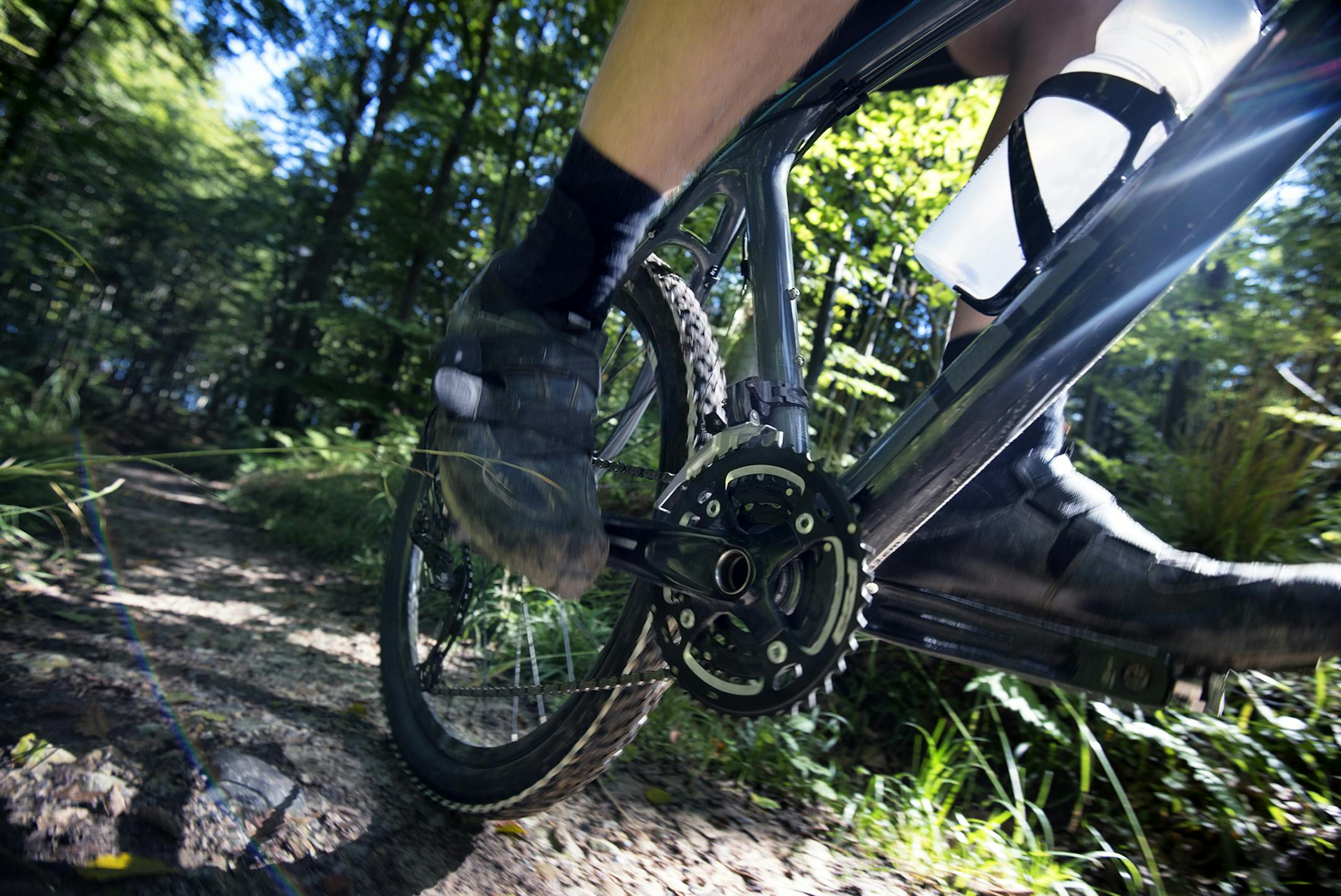
These proposals persist because the nation, and especially Minnesota, are wild for off-road cycling, and trails for these bikers are in short supply. Americans, in fact, now buy more mountain bikes than road bikes. The Minnesota High School Cycling League this year alone has more than 1,500 students in seventh through 12th grade whooshing through the woods in mass meets.
So we have the unpleasantness in Minnetonka, the focus of which this month moved from the council chambers to state courts. It is about a city proposal to add 5 miles of mountain biking trails in Lone Lake Park, whose 146 acres include wetlands, forests and a lot of people who watch birds and walk their dogs. The city's leadership has been saying, after lengthy study, that Lone Lake is the best place to accommodate the clamor for off-road biking; a considerable opposition has been saying, if so, then Lone Lake is just the best of bad options.
The official debate, in the city's site plan and now in court, has focused on the environmental impact of the bike trails. The city has pledged to create and maintain trails that control erosion and minimize impact on the character of the park; opponents want a deeper environmental review because the proposed trails appear to significantly threaten vegetation and wildlife, notably the endangered rusty patched bumblebee, which has been seen in the park.


