

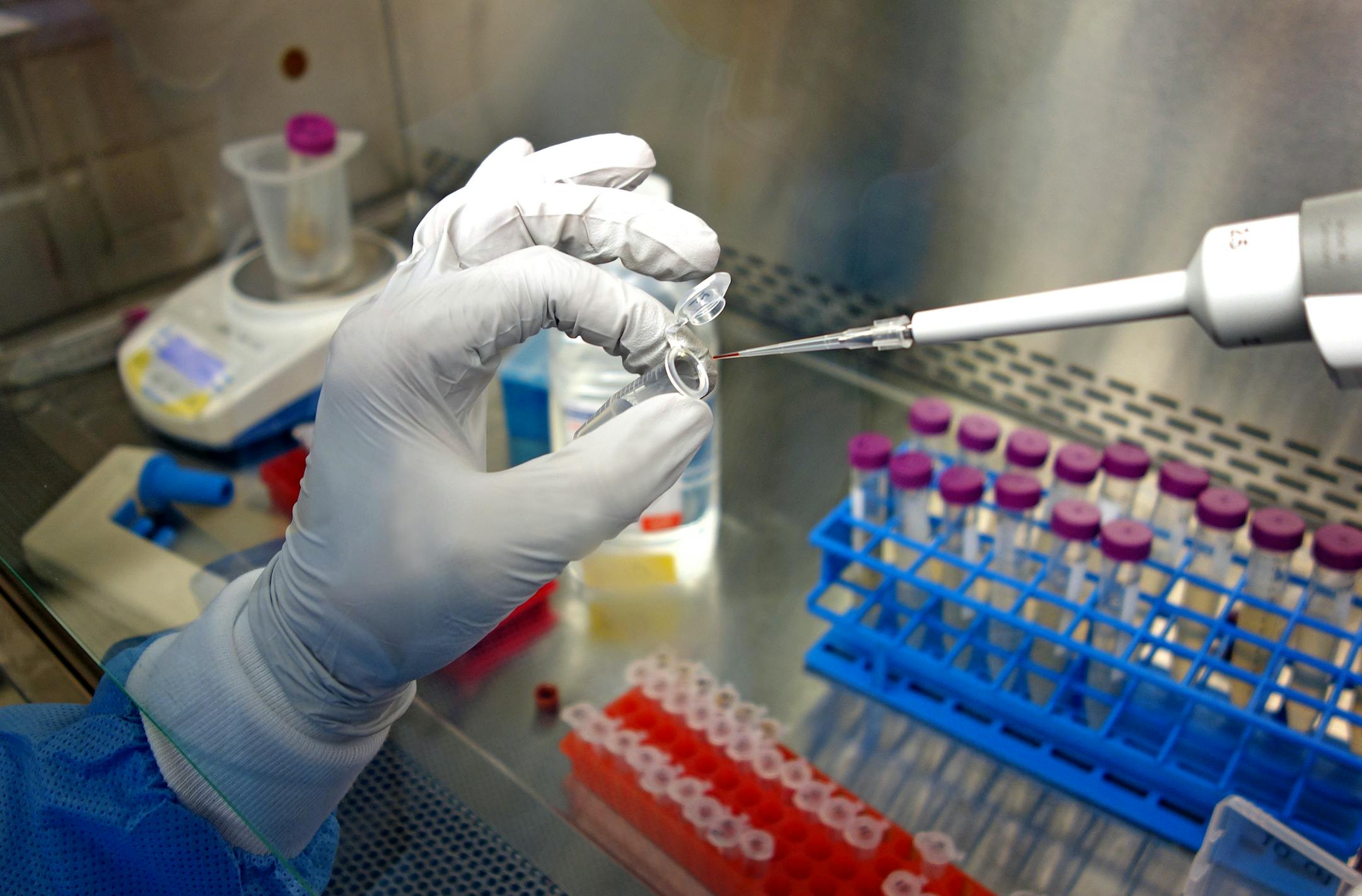
Twin Cities biotech start-up Rebiotix has treated its first patient in what the company hopes will be the last leg of the race to develop the first approved microbial therapy derived from human waste to treat serious infections from the bacterium Clostridium difficile.
"C. diff," as it usually known, colonizes the large intestines of about 500,000 people per year, often after antibiotic treatments in hospitals, leading to the deaths of more than 29,000 people annually. For several years, Roseville-based Rebiotix has been in competition with a Massachusetts-based firm to develop the first therapy that can treat recurrent C. diff infections by restoring the natural ecosystem of microorganisms in the intestine.
On Aug. 7, Rebiotix announced that it had enrolled the first of a planned 270 patients in a double-blind, placebo-controlled randomized clinical trial intended to show microorganisms in stool donations from Twin Cities residents can be used to safely and effectively treat C. diff infections.
The Phase III trial is slated to end in 2019, which is when Rebiotix is aiming to get final approval of its biologic drug product. Cambridge, Mass.-based Seres Therapeutics, which is developing a similar therapy, is scheduled to conclude a major clinical trial of its product around the same time.
"I believe this is a transformational technology," Rebiotix founder and CEO Lee Jones said Friday.
The human gut is home to billions of bacteria and other microbes that together form a kind of ecosystem known as a "microbiome," which provides a variety of critical functions for human survival that are still being puzzled out by scientists, according to the National Institutes of Health's Human Microbiome Project.
Although everyone carries around microscopic pathogens in their bodies, these microorganisms coexist with their host and the rest of the microbiome without causing disease in healthy people. Researchers at the NIH and other organizations are working to understand why and how some pathogens end up causing disease in some people.
C. diff is one of the organisms that may live in a person's intestines, though it is also spread via food and contaminated surfaces. Taking powerful antibiotics in the hospital, particularly by older patients, can kill off a wide swath of the organisms in the gut microbiome and create the opportunity for C. diff to grow out of control and colonize the large intestine. The result can be a nasty infection that causes dayslong bouts of watery diarrhea and abdominal cramping.


