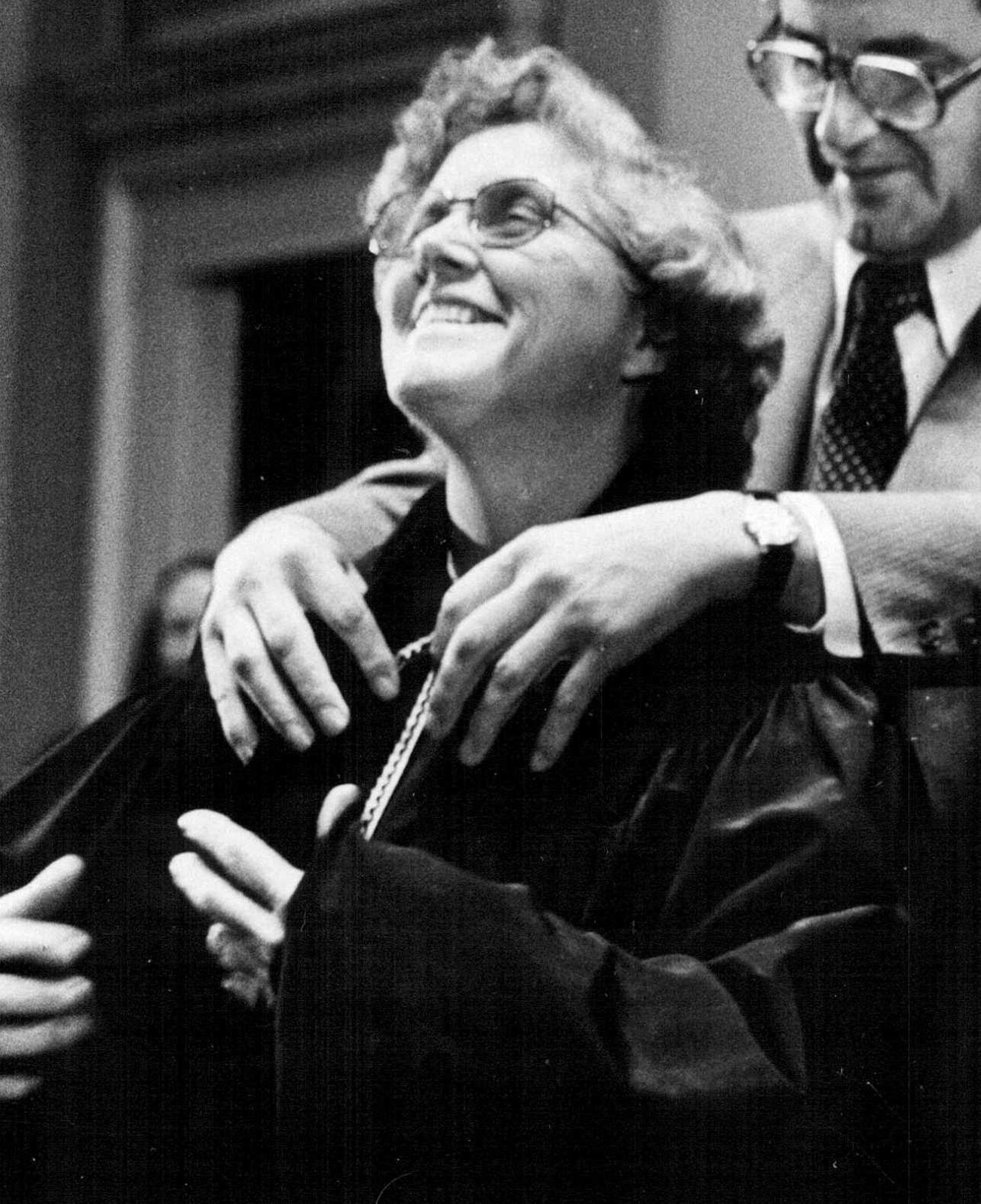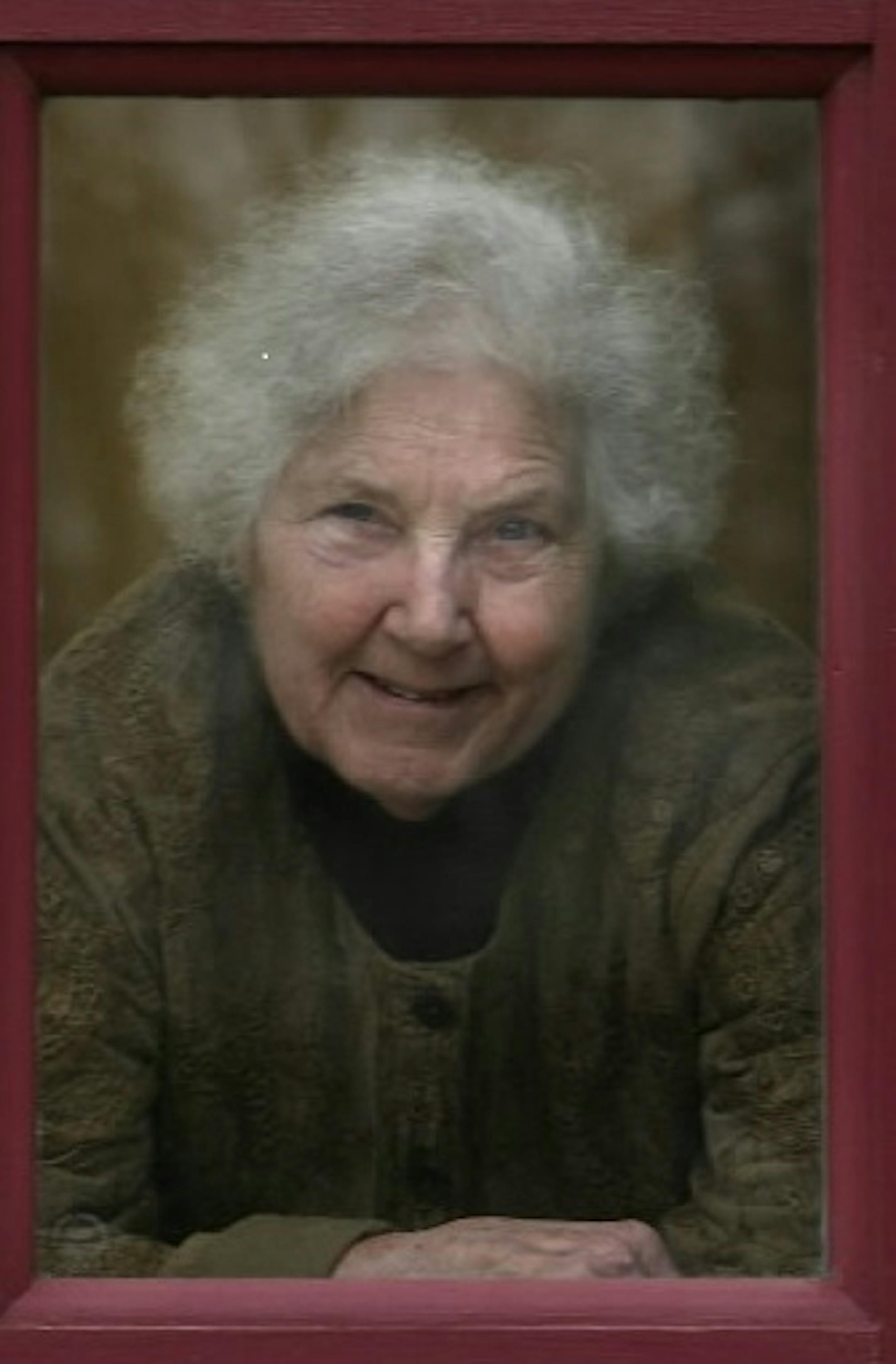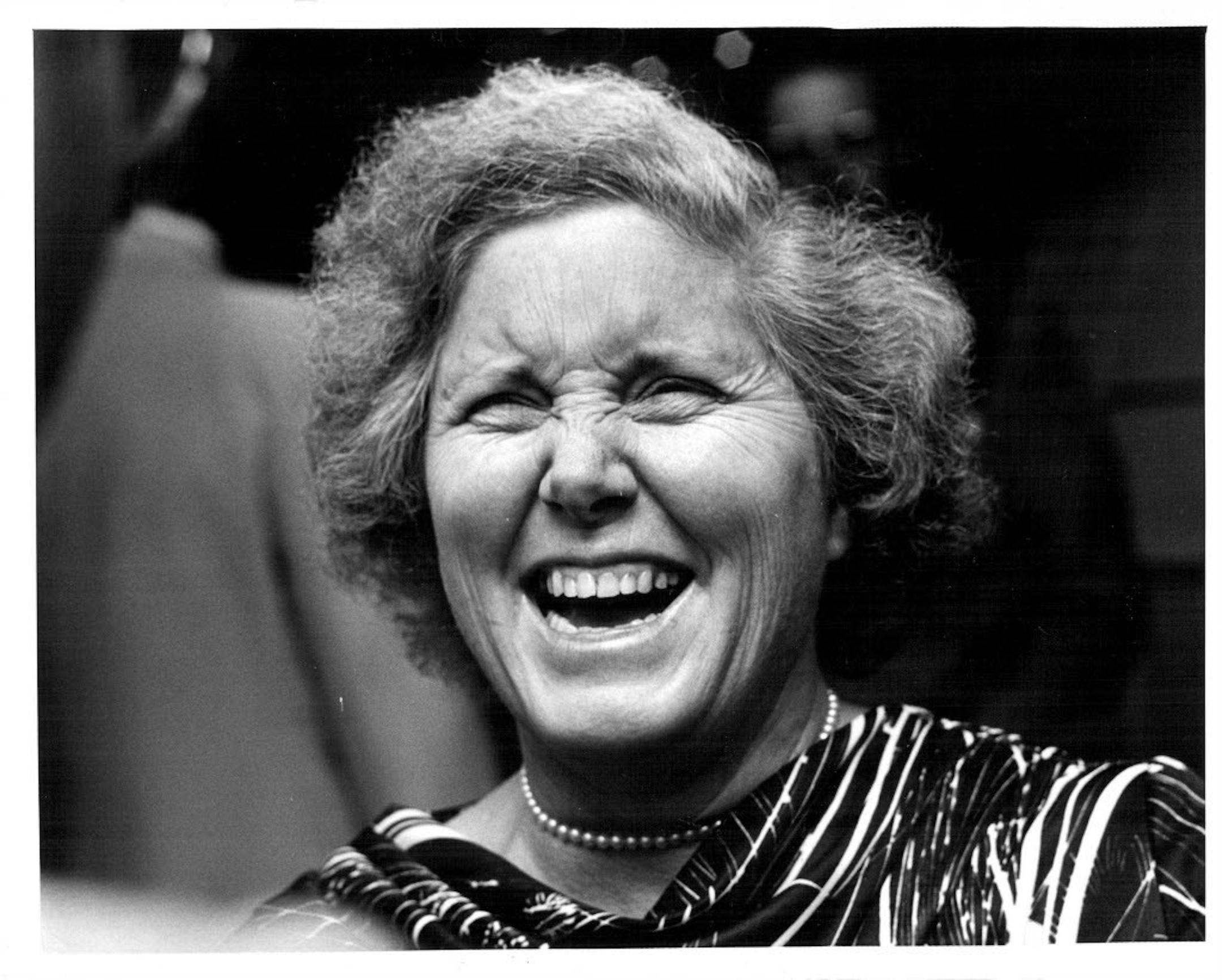
Rosalie Wahl, who wore the compassion of a grandmother on her sleeve, and carried a steely resolve within, emerged from a hardscrabble life to become the first woman to serve on the Minnesota Supreme Court. There, she fought to make the justice system more fair for women and minorities.
Wahl, who was appointed to Minnesota's highest court in 1977 by Gov. Rudy Perpich, wrote more than 500 legal opinions during her 17 years there. She died Monday at age 88.
"She brought a desire for our courts to be fully functioning for every member of society," said Harriet Lansing, retired senior judge who served 28 years on Minnesota's Court of Appeals. "She had a sense of the power of the law and the power of the judicial position. … She worked to create the fairest possible processes in the courts.
"She would have been great in any profession she would have chosen because of [her] strength of spirit, quality of mind, her determination and her great ability to make a better world for people," said Lansing, a longtime friend. "But the fact that she chose the law, that was very lucky for all of us."
Wahl was a mother of four children when she decided in 1962 to get her law degree from William Mitchell College of Law in St. Paul, where she was one of only two women in her class. And she was a mother of five by the time she finished, missing just a week of classes when she gave birth to her youngest, said Lori Sturdevant, an editorial writer and columnist for the Star Tribune who has written a book about Wahl that will be released in the spring.
After graduating in 1967, Wahl joined the newly formed state public defender's office and within a week found herself arguing a case before the state Supreme Court, Sturdevant said. She would appear before that court 109 times, she said.
Eventually, Wahl caught the attention of Perpich, who appointed her to the Supreme Court to fill a vacancy. She faced a brutal election a year later against three men.
"She had to buck the good ol' boys," said Betty Wilson, a longtime friend and a retired Star Tribune political reporter. "The male establishment lined up against her and gave her a hard time."