

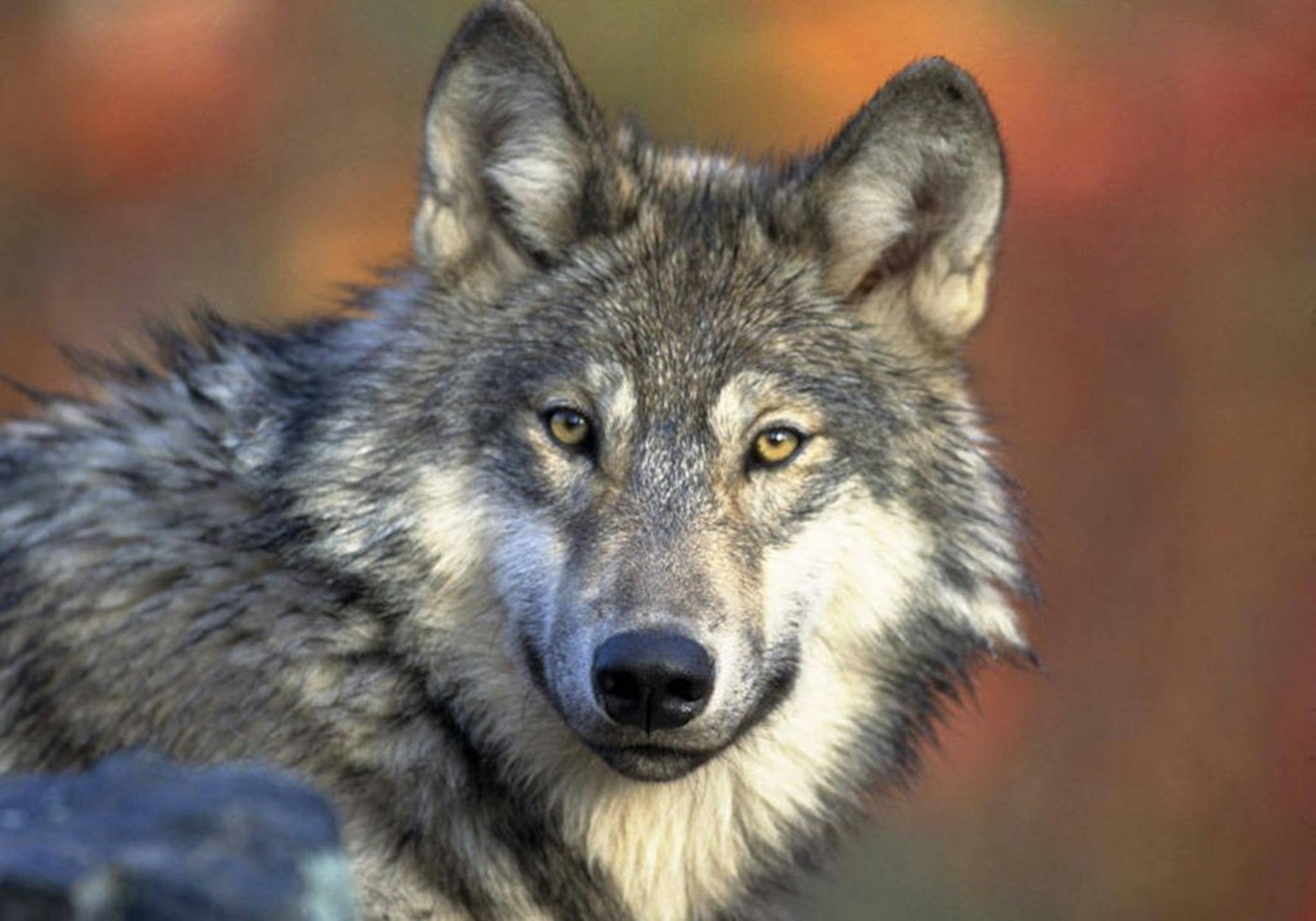
BILLINGS, Mont. — Gray wolves in the U.S. Northern Rockies are showing resilience as states adopt increasingly aggressive tactics to drive down their numbers through hunting, trapping and government-sponsored pack removals.
A minimum of 1,691 wolves roamed the six-state region at the end of 2013, according to figures released Friday by state and federal agencies.
That's little changed from the prior year, despite continued political pressure from hunters and ranchers who want the population significantly reduced.
Idaho in recent months put government wildlife agents in helicopters to shoot entire packs that were preying on big game herds. Montana officials last year lifted wolf hunting and trapping quotas, increased the bag limit to five wolves per hunter and lowered the fees for out-of-state licenses.
Wildlife advocates have warned the population could crash, but that hasn't happened: Wolf numbers are down just 6 percent since the animals lost federal protections in 2011.
"Wolves are very tenacious, they're very prolific," said Mike Jimenez, federal wolf recovery coordinator for the Rockies and a biologist with the U.S. Fish and Wildlife Service. "The population is very secure, but it doesn't remove the controversy."
Jimenez says he expects the population to gradually decline over time in the face of the states' efforts but remain healthy overall. The only state to see a significant drop last year was Idaho, down 63 wolves to at least 659.
On the livestock side, wolves in the Northern Rockies killed at least 143 cattle and 476 sheep in 2013. That's 51 fewer head of cattle and six fewer sheep than the prior year.


