
Risky pregnancy condition can resurface later in life

Women with a history of pre-eclampsia are more likely to face atherosclerosis.

July 13, 2018 at 4:46PM
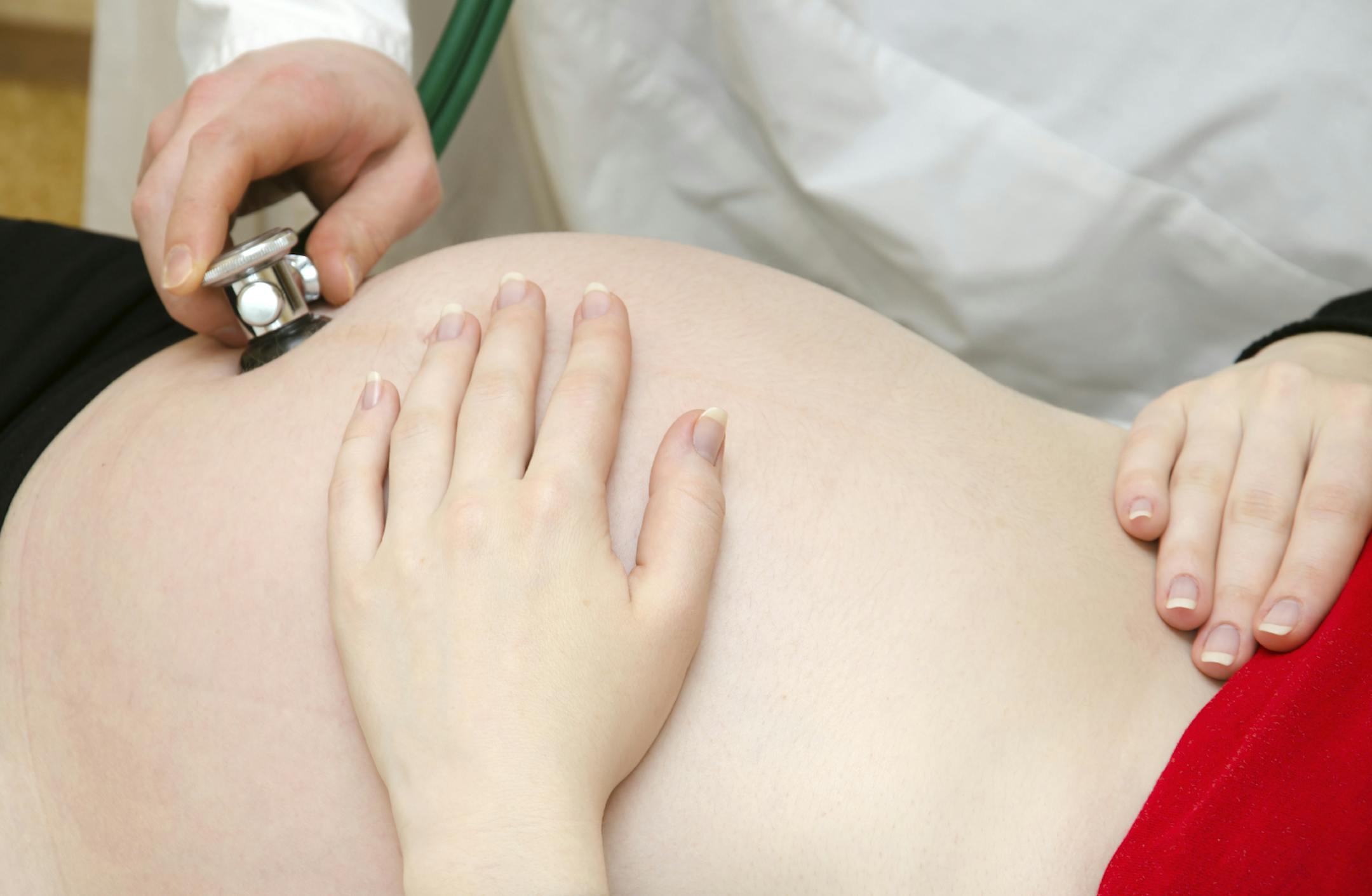
credit: Alex Dobysh, iStock Pregnant woman gets ultrasound exam at the doctor. Bed, Human Pregnancy, Hospital, Female, Doctor, Occupation, General Practitioner, Abdomen, Science, Technology, Healthcare And Medicine, White, Professional Occupation, Protective Workwear, Equipment, Stethoscope, Laboratory, People, Family, Parent, Patient, Care, Anticipation, Surveillance, Gynecologist, Obstetrician, Clinic, Physiology, Listening to Heartbeat, Two People, Women, Prenatal Care, New Life, Assistance,
credit: Alex Dobysh, iStock Pregnant woman gets ultrasound exam at the doctor. Bed, Human Pregnancy, Hospital, Female, Doctor, Occupation, General Practitioner, Abdomen, Science, Technology, Healthcare And Medicine, White, Professional Occupation, Protective Workwear, Equipment, Stethoscope, Laboratory, People, Family, Parent, Patient, Care, Anticipation, Surveillance, Gynecologist, Obstetrician, Clinic, Physiology, Listening to Heartbeat, Two People, Women, Prenatal Care, New Life, Assistance, Working, Touching, Listening, Adult, Medical Exam (The Minnesota Star Tribune)

A study has found that a condition that threatens the lives of some pregnant women and the fetus may continue to put the mother at risk later in life.

Mayo Clinic researchers found that women with a history of pre-eclampsia are more likely to face atherosclerosis — hardening and narrowing of the arteries — decades after their pregnancies.

Pre-eclampsia, a condition in pregnant women commonly characterized by high blood pressure, affects between 2 and 7 percent of pregnancies.

"We've found that pre-eclampsia continues to follow mothers long after the birth of their child," said Dr. Vesna Garovic of the Mayo Clinic Division of Nephrology and Hypertension. "The good news is that we can use these findings to apply earlier interventions for risk factors before cardiovascular disease presents."

Mayo Clinic News Network

about the writer

about the writer

More from No Section

See More
FILE -- A rent deposit slot at an apartment complex in Tucker, Ga., on July 21, 2020. As an eviction crisis has seemed increasingly likely this summer, everyone in the housing market has made the same plea to Washington: Send money — lots of it — that would keep renters in their homes and landlords afloat. (Melissa Golden/The New York Times) ORG XMIT: XNYT58
Melissa Golden/The New York Times

It’s too soon to tell how much the immigration crackdown is to blame.