The Winter War
By Philip Teir, translated from the Swedish by Tiina Nunnally. (Anansi, 298 pages, $16.95.)
Philip Teir's fine novel about the deterioration of a marriage suffers from occasional lapses into cuteness — the opening sentence, for instance: "The first mistake that Max and Katriina made … was to deep-freeze their grandchildren's hamster." This briefly sends the reader in the wrong direction; this is not a wacky novel about the foibles of parenting. It is a tender, funny, utterly convincing story about a brittle, unhappy wife, a fearful-of-aging husband, and their two adult children.
Max is an academic who is uncomfortably aware that he is past his prime. When he is interviewed by a captivating and highly ambitious magazine reporter (a former student of his), he lets flattery and ego get the best of him. His wife is busy and long since detached from him. She is not, however, blind.
The story is set mostly in Helsinki, Finland, with a few chapters set in London, where one of the daughters studies art. Its various points of view give richness to what is at times a chilly narrative. References to the economic and class distinctions between Finland-Swedes (the wife) and the more provincial Osterbotten Finns (the husband) might not resonate with most American readers, but the emotions of the suspicious wife, the lonely ex-pat daughter, and the conflicted husband — those are universal.
LAURIE HERTZEL, senior editor/books
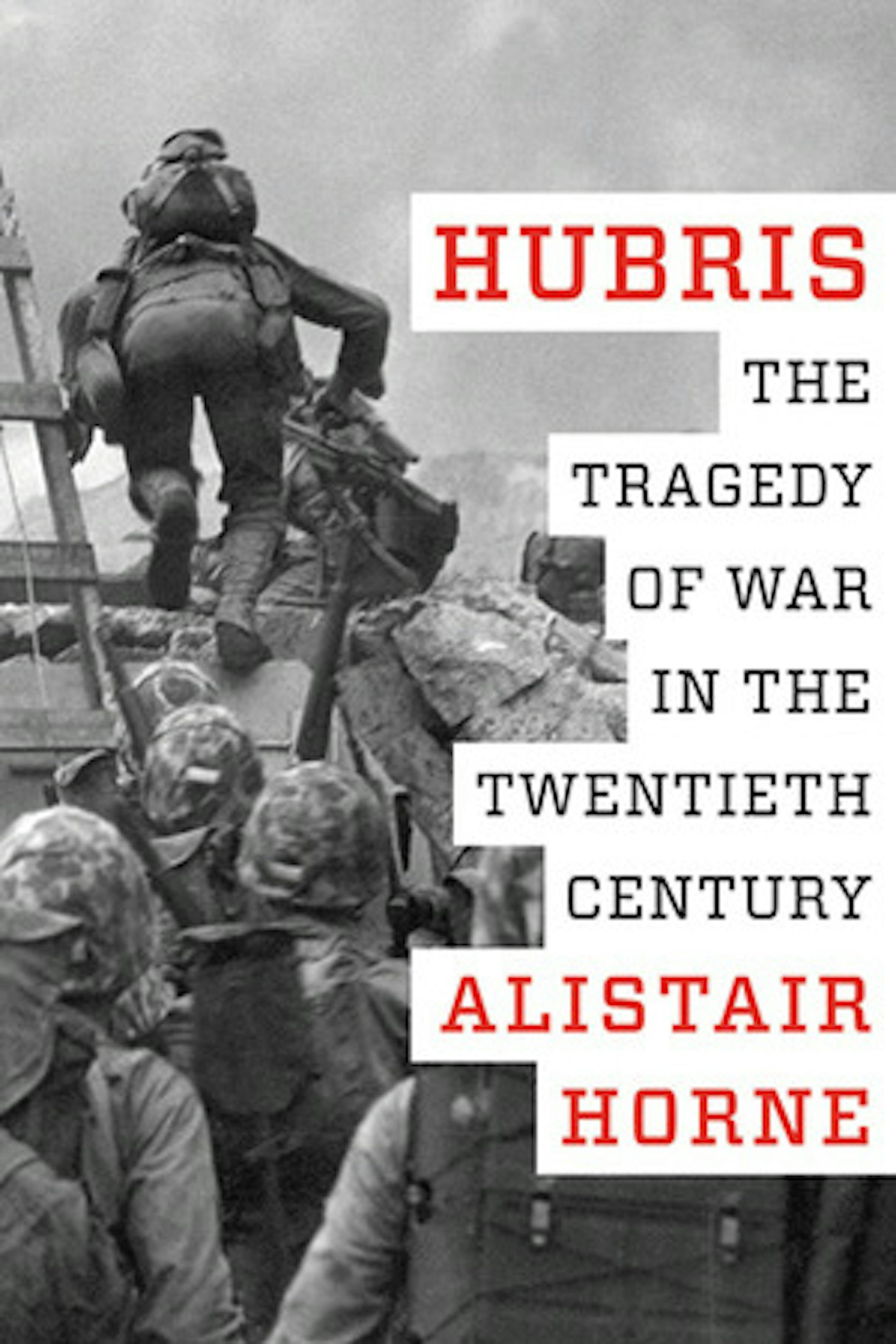
Hubris: The Tragedy of War in the Twentieth Century
By Alistair Horne. (Harper, 382 pages, $28.99.)
One of Britain's most renowned military historians has written a fascinating book, yet one that ultimately fails to live up to its promise. "Hubris: The Tragedy of War in the Twentieth Century" sets out to chronicle the world-changing events shaped by the folly of fallible men at war.
Horne breaks his narrative into five parts, each focused on a specific battle or episode. Several of his choices, though undoubtedly well-known to serious historians, were relatively unknown to me, and I welcomed learning about them. In the 1905 Battle of Tsushima, the Japanese navy utterly destroyed Russia's fleet in the first modern naval confrontation.