THE ATTACK
⋆⋆⋆ out of four stars
Rated: R, for some violent images, language and brief sexuality.
Theater: Edina.
Secretary of State John Kerry recently declared that a peace deal between Israel and Palestine would happen within the next nine months.
His optimism might not survive a screening of "The Attack."
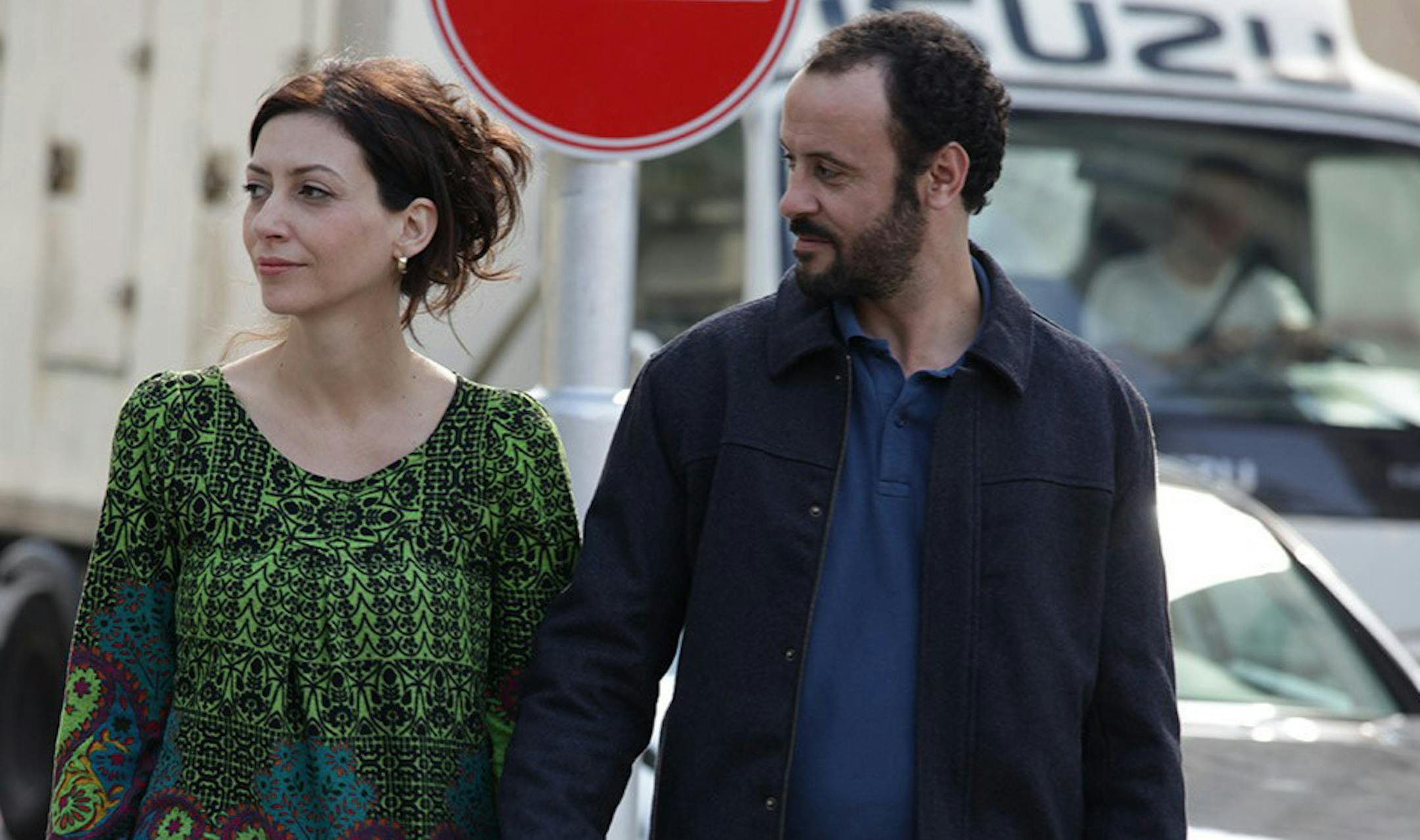
Protagonist Amin Jafari (Ali Suliman) is a prominent secular Palestinian surgeon who works and lives in Tel Aviv, Israel. One morning, a suicide bomber kills 17 Israelis, including 11 children. The bomber turns out to be Amin's wife, Siham.
Amin spends the rest of the movie trying to figure out how Siham (Reymond Amsalem) became a "fundamentalist monster" without his noticing. He returns to his hometown of Nablus, Palestine, in search of a Sheikh Marwan, whom he believes influenced his wife. There, Amin finds photos idolizing Siham plastered on walls across town, and he discovers that his own family is proud of her. But actual answers are harder to come by. The Israel-Palestine conflict, he realizes, does not lend itself to simple explanations.
Lebanese director Ziad Doueiri effectively portrays Amin's journey through denial, anger, disillusionment. "The Attack" doesn't force us to pick a side. But it does force us to question our outsiders' hope in conciliation. When Amin finally gets to confront Marwan, the sheikh questions the point of talking. "We'll never agree on anything," he says.
ANDREW WAGAMAN
Rising From Ashes
⋆⋆⋆ out of four stars
Unrated: In English and subtitled Kinyarwanda and French.
Theater: Lagoon.
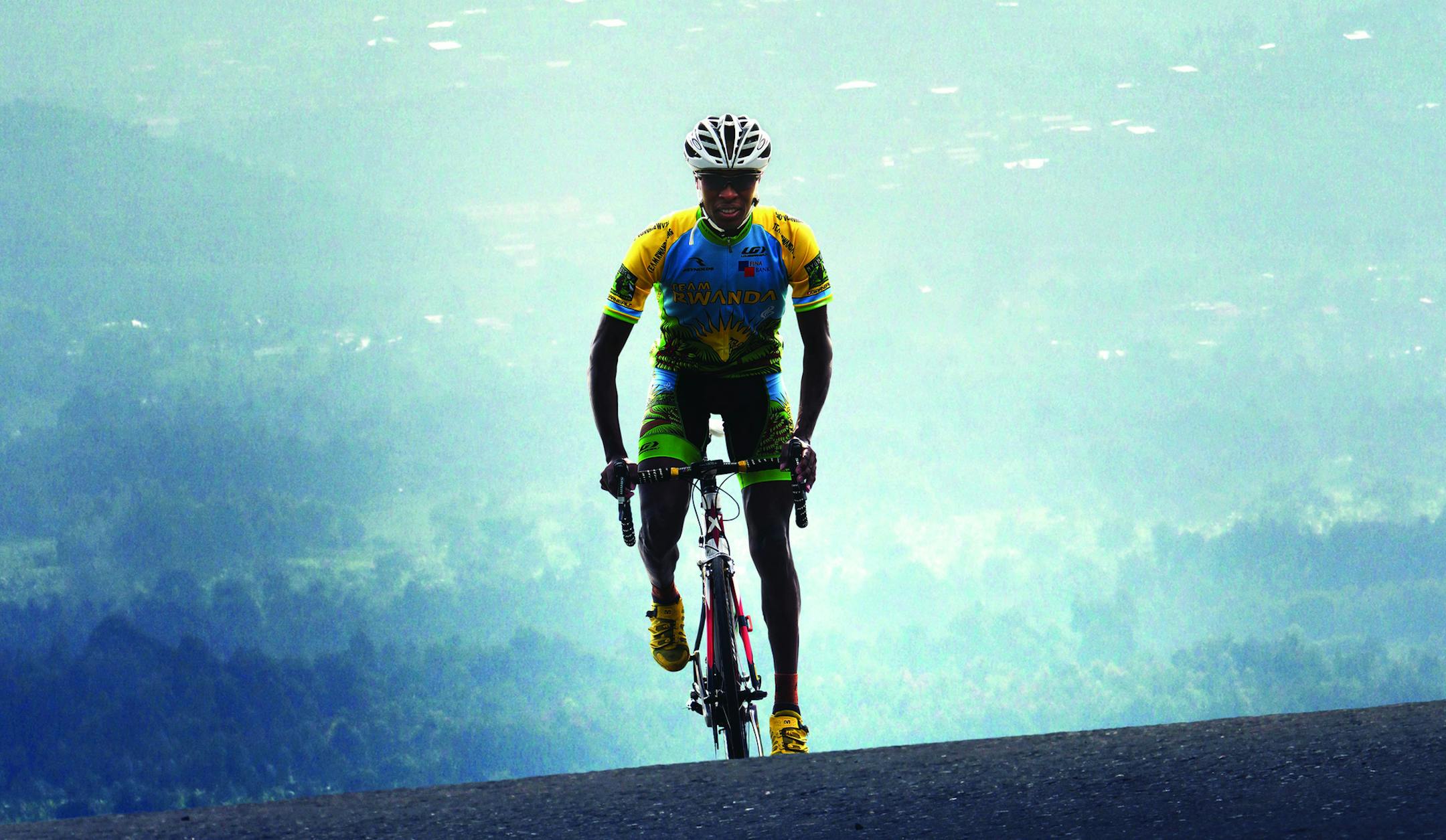
The title of T.C. Johnstone's uplifting documentary "Rising From Ashes" does double duty. It describes the genesis of Rwanda's national cycling team, a symbol of unity following the nation's ethnic genocide, and the personal redemption of its American coach. Jock Boyer, the first American to compete in the modern Tour de France, committed to lead the team following the sex-abuse scandal that saw him jailed in 2002. Forest Whitaker provides an accessible narration that quickly sketches Rwanda's colonial rule, which pitted native peoples against one another, and the long-simmering resentments that erupted in catastrophic tribal violence in 1994. Owning a bicycle could mean the difference between execution and escape to safety, he notes.