You maybe saw the pictures last year and again in April when the Pulitzer Prizes for photography were announced: all those raw images of children starving, terrified or lying lifeless on a beach far from home, with pictures of desperate fathers and portraits of exhausted, grief-crazed mothers.
You wondered: Why would any parent take such chances, fleeing with children and little else across hundreds of miles of land and open sea to a doubtful reception in Europe?
Janine di Giovanni tells why.
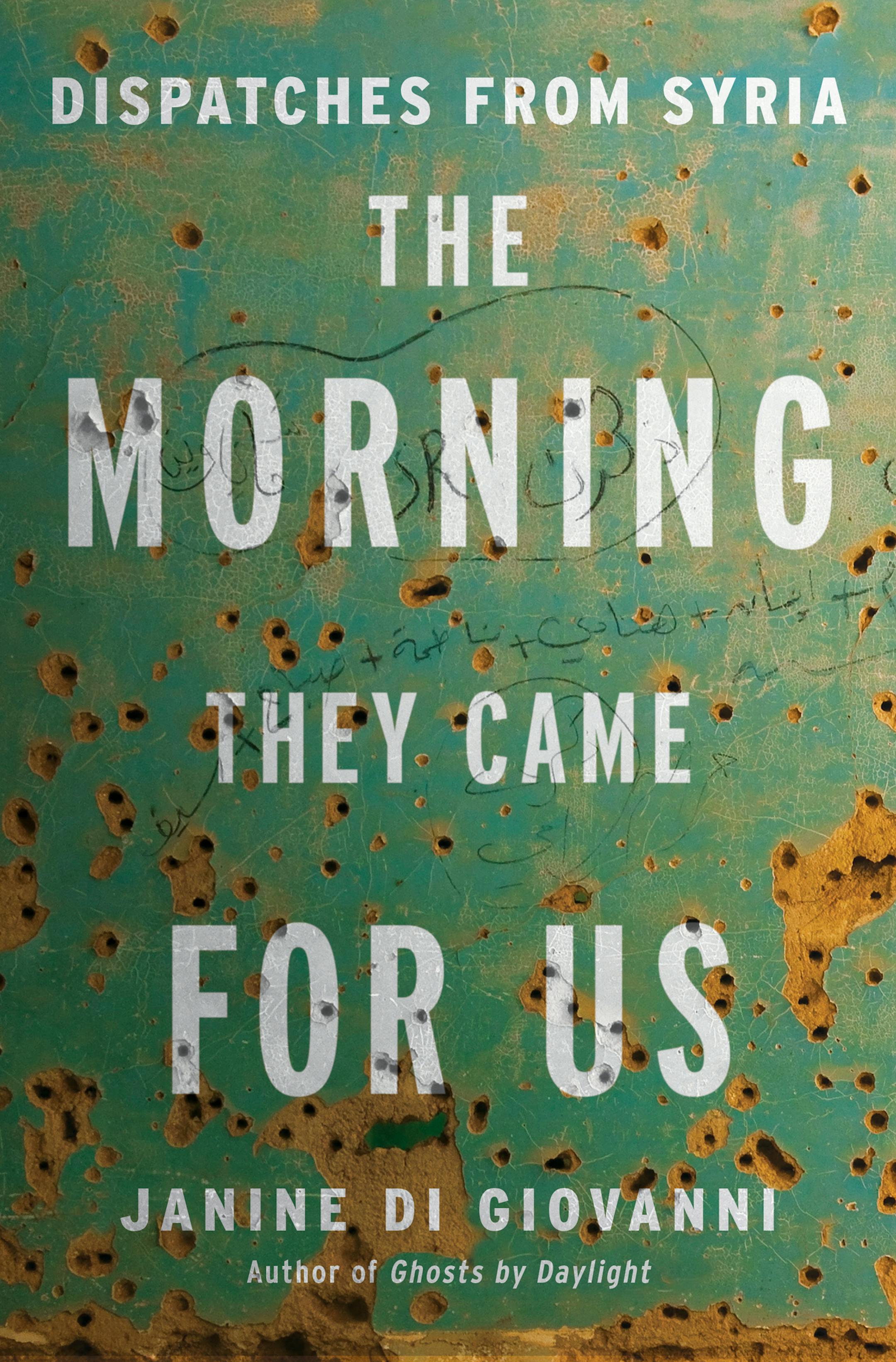
In "The Morning They Came for Us: Dispatches From Syria," she tells in sharp, unrelenting word pictures what the photographers' images suggest: The horrors behind these massed refugees are far worse than whatever may lie ahead.
Di Giovanni knows about the velocity and absurdity of war and what it means to the most vulnerable: the young and the old, and especially the women caught in the arbitrary terror, torture and rape-as-weapon of civil war. She knew what the close-up experience of war could do to her, having covered the fighting in Bosnia, Iraq, Afghanistan, Chechnya and a half-dozen other countries over three decades.
A friend, a diplomat, had warned her not to go to Syria in 2012, as the civil war there was about to erupt, "because you will be angry all the time and it is an anger that you will never be able to reconcile."
But she went. And as she chronicled the savagery that has caused survivors to flee by the millions, with millions more displaced within Syria, she was angry. The country "has been burnt alive by hatred" and will never again be what it once was.
After describing the aftermath of barrel-bomb assaults on the historic city of Aleppo, "knee-deep rubble, cries of agony, the frantic search for survivors," she called it "the Leningrad of the Syrian war." And "No one seems to be able to end it," she writes, "least of all the United Nations, whose peacekeeping efforts have failed again and again."