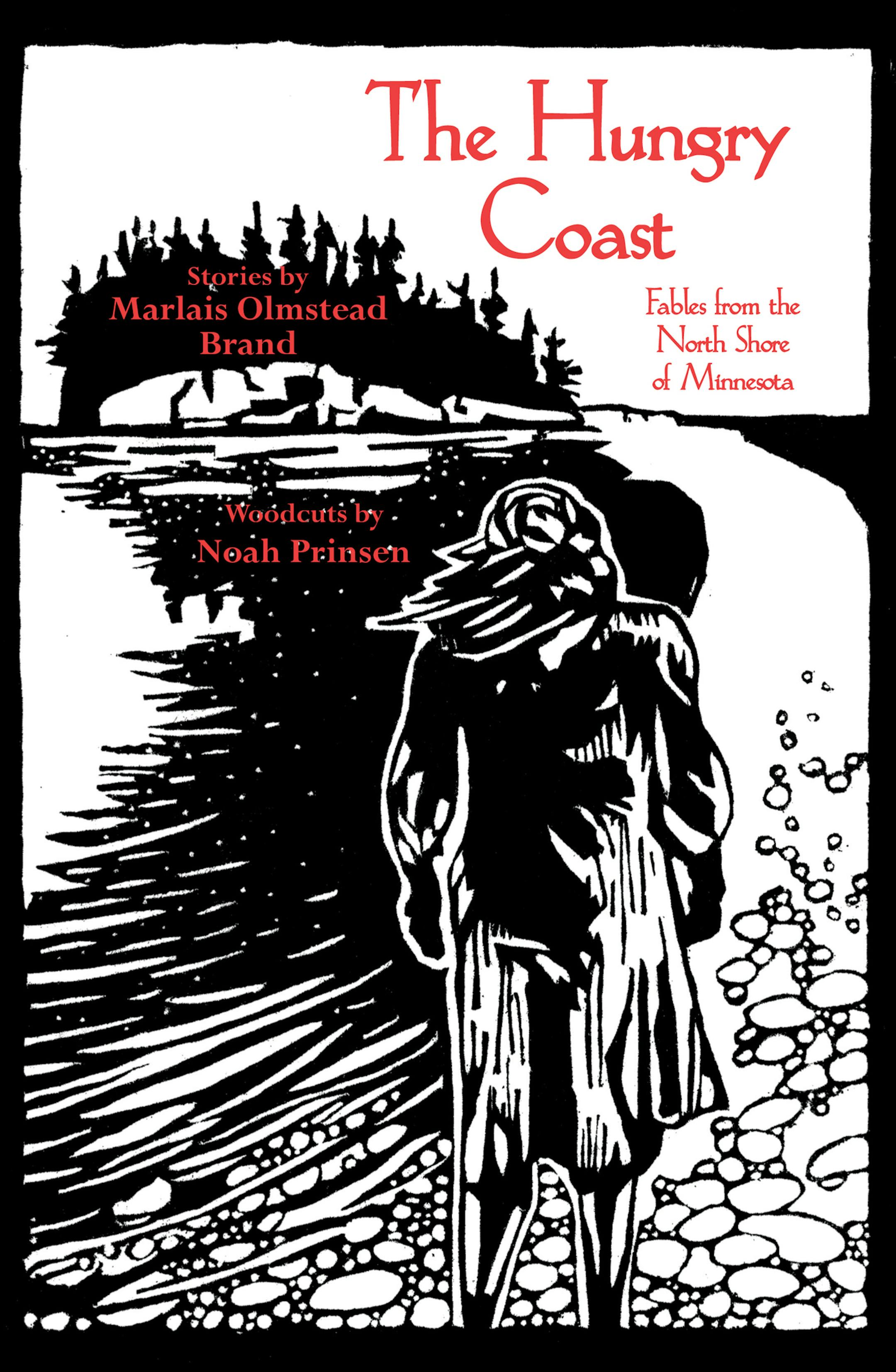
Call something a fable, and we tend to settle into the mind-set of ancient Greece, or if we're feeling especially contemporary, of fireside legends told deep within the tepees of American Indians.
So Marlais Olmstead Brand's fables create a time warp. They are fables of sorts, their moralizing nowhere near as plain-spoken as Aesop's, but their form speaking to a style of storytelling that is its own. The fables often open with a single, and singularly intriguing, sentence. It's set apart, but meant to be kept in mind.
"She was alive because she was hungry."
"There was a boy who cried like a wolf because he was a wolf."
"Not so many years ago, a girl saw a ghost."
These are tales rooted in northern Minnesota, yet most are not in its past, but in its now.
People in Grand Marais buy clothes at Joynes Ben Franklin and treat themselves at World's Best Donuts. Tourists plant tent poles at the Split Rock Lighthouse campground. A woman has a terrible accident in the Silver Creek tunnel north of Two Harbors.
Brand, a Lakeville writer and wilderness educator with her first collection of short stories, is clearly influenced by her research into Ojibwe and Norwegian and female histories along the North Shore. Yet the resulting fables have a disconcerting topicality. We can't read them with a sense of distance, absorbing a fable's usual moralizing with a knowing, if noncommittal, nod.