
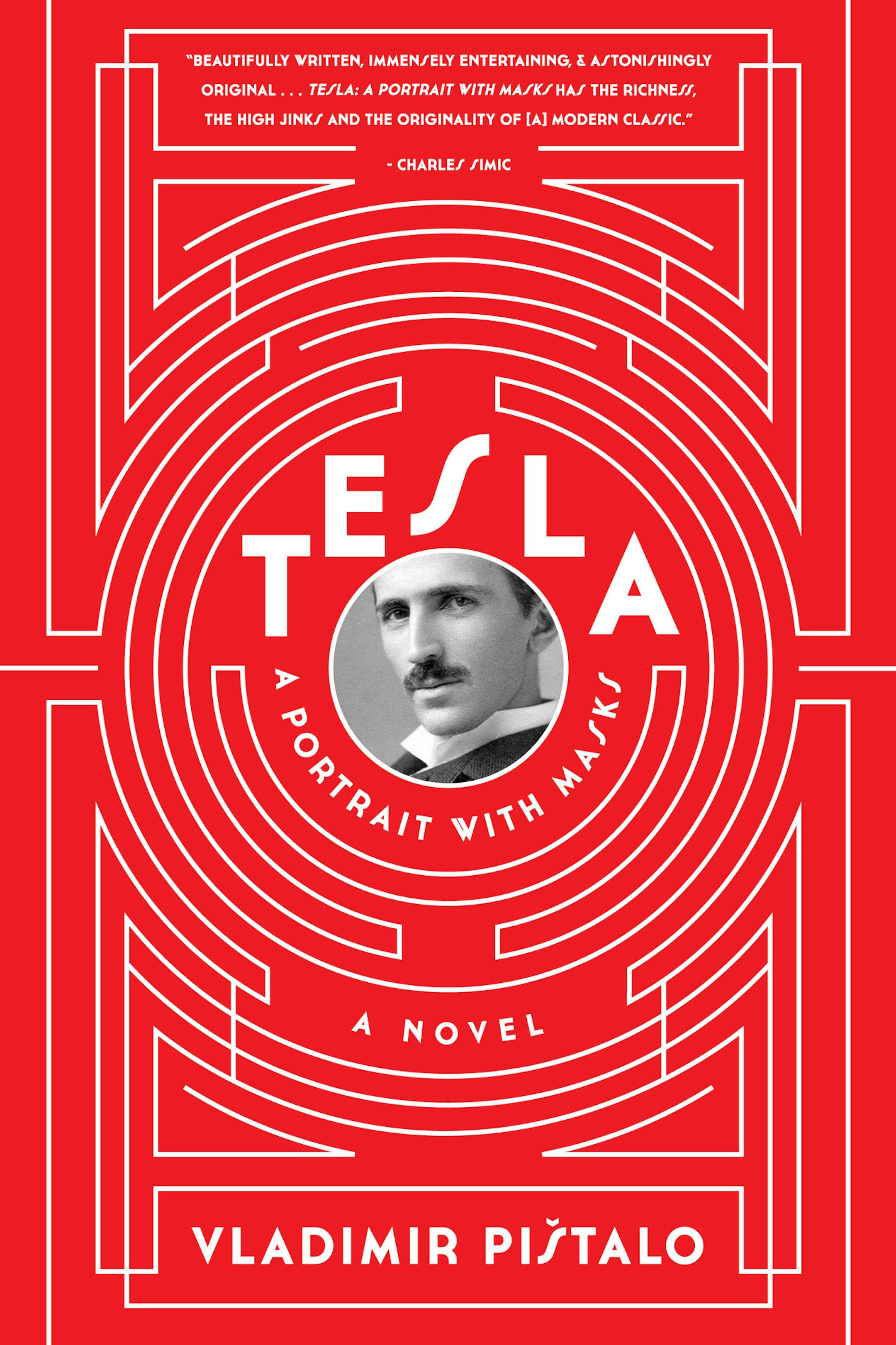
Review: 'Tesla: A Portrait With Masks,' by Vladimir Pistalo

FICTION: Crackling with energetic prose, Pistalo's historical novel about Nikola Tesla skillfully explores the inventor's creative genius, scientific legacy and formative heartbreaks.

For the Minnesota Star Tribune
January 3, 2015 at 9:49PM
"Tesla: A Portrait With Masks," by Vladimir Pistalo
"Tesla: A Portrait With Masks," by Vladimir Pistalo (The Minnesota Star Tribune)

Vladimir Pistalo's new novel abounds with energy. His sentences crackle with fantastical images. He hustles from one short chapter to the next. He's an unabashed champion of the exclamation point. It's as though he can barely tame his many high-voltage ideas.

His style meshes smartly with the book's subject.

"Tesla: A Portrait With Masks" is a fictionalized account of the life of Nikola Tesla, the protean inventor who harnessed electricity in unheard of ways and, in Pistalo's telling, was nothing less than "The Creator of the Modern Age."

Bridging continents and eras — the story starts in Tesla's native Serbia in the mid-19th century and ends in Manhattan during World War II — "Tesla: A Portrait With Masks" works on two planes. One delves into his scientific genius, taking special care to explain and enliven his important breakthroughs. The other deals with Tesla's personal travails, humanizing a man many found to be distant and eccentric.

In Pistalo's version of events, Tesla discovers his calling when his grade-school teacher conducts an astonishing experiment. It involves tin foil and a static-electricity generator, and concludes when an "experimental ball" is "turned into a swift, soundless spinning top, which beckoned to Nikola … until he responded, 'Here I am!' "

Within a few years of this formative event, Tesla has started on a series of revolutionary projects (telephone systems, broadcasting devices). He eventually makes his way to America, and takes a job as an engineer at Thomas Edison's lab. Although he impresses Edison by reworking a complicated lighting system used on military ships, the men soon clash over the viability of their competing methods for delivering electricity.

Tesla quits, but his time with Edison is only a precursor to partnerships with George Westinghouse, J.P. Morgan and other business tycoons of the era. Morgan agrees to fund Wardenclyffe, a communications tower on Long Island that Tesla says will facilitate "the transfer of sound and images to any distance. … Without wires. With complete privacy." Alas, the project founders, a defeat that severely saps Tesla's will.

On a parallel track, "Tesla" tells of his affection for an unattainable woman, and his heartache after the untimely death of his older brother Danilo. Pistalo, a Massachusetts college professor and the author of several previous novels, skillfully details how these episodes left vacancies in Tesla's soul. The sibling saga is particularly moving, a loss that occurred in Tesla's youth and one he begins to understand only when Danilo's ghost appears in the inventor's final hours.
The book's 127 tightly wound chapters — yep, 127! — are powered by vivid set pieces.

When Tesla tells colleagues that waterfalls might supply cities with electrical power, the idea is almost too much for them to process: "Warm ectoplasm circulated between the lanky lecturer and his audience. … Many felt as if someone had cut off the tops of their heads. In the end, the ceiling danced from the applause."

Later, when he uses a powerful conductor to test one of his theories, "Sparks as big as a fist shot into the sky … With his face alternating from black to silver, the Victorian thunder maker … surveyed them. He was the light — a flashing, impersonal force."

"Tesla" is a dynamo of a novel, and Pistalo writes as though he's fueled by a power plant of his own devising.

Kevin Canfield is a writer and critic in New York City.


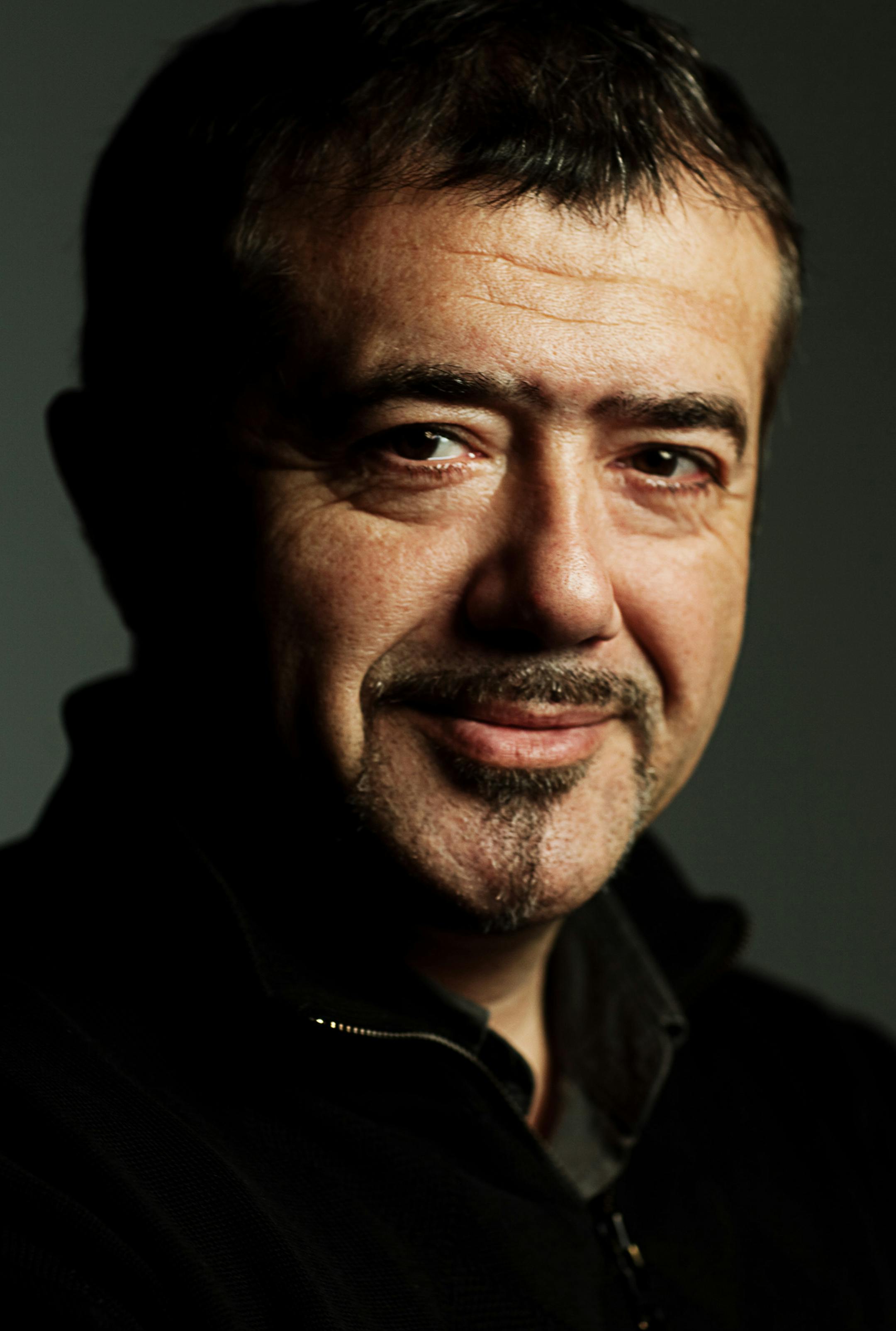
Vladimir Pistalo
Vladimir Pistalo (The Minnesota Star Tribune)
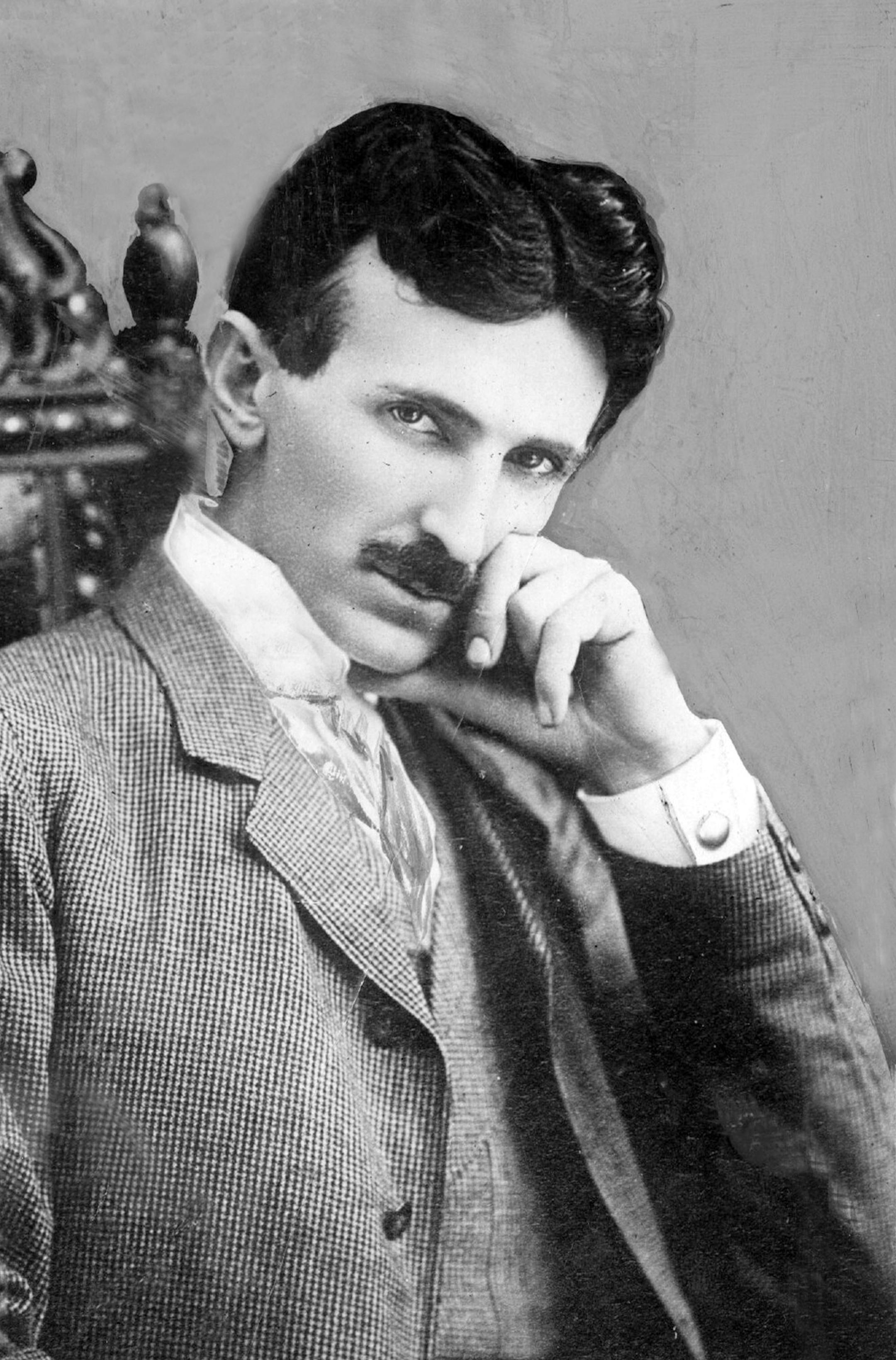
Nikola Tesla circa 1907. He was celebrated for his inventions, but he also made bitter enemies. Today, a fight is looming over the ghostly remains of Tesla's laboratory site, called Wardenclyffe -- what Tesla authorities call the only surviving workplace of the eccentric genius who dreamed countless big dreams while pioneering wireless communication and alternating current. The disagreement began recently after the property went up for sale in Shoreham, N.Y. (The New York Times) ORG XMIT: NYT16
Nikola Tesla circa 1907. Celebrated for his inventions, he also made bitter enemies. (The Minnesota Star Tribune)
about the writer

about the writer

KEVIN CANFIELD

More from Minnesota Star Tribune

See More
card image
J. SCOTT APPLEWHITE, ASSOCIATED PRESS/The Minnesota Star Tribune

The "winners" have all been Turkeys, no matter the honor's name.

In this photo taken Monday, March 6, 2017, in San Francisco, released confidential files by The University of California of a sexual misconduct case, like this one against UC Santa Cruz Latin Studies professor Hector Perla is shown. Perla was accused of raping a student during a wine-tasting outing in June 2015. Some of the files are so heavily redacted that on many pages no words are visible. Perla is one of 113 UC employees found to have violated the system's sexual misconduct policies in rece