

On the Red Lake Indian Reservation, Grandma was a bootlegger. Grandpa was a recreational gambler who literally lost his shirt and arrived home one snowy morning without it (or his coat).
Fred and Jeanette Auginash differed in age, education and upbringing, and they seemed always at poverty's edge. They cobbled a living through hard work, hunting, fishing, veterans benefits, occasional welfare, charity and resourcefulness. They made what a daughter called "a warm, good-humored and unconditionally supportive family" for their children, grandchildren and others they took in.
And they did it in the teeth of a paternalistic white authority that threatened tribal culture, land, language and sometimes livelihood across northern reservations.
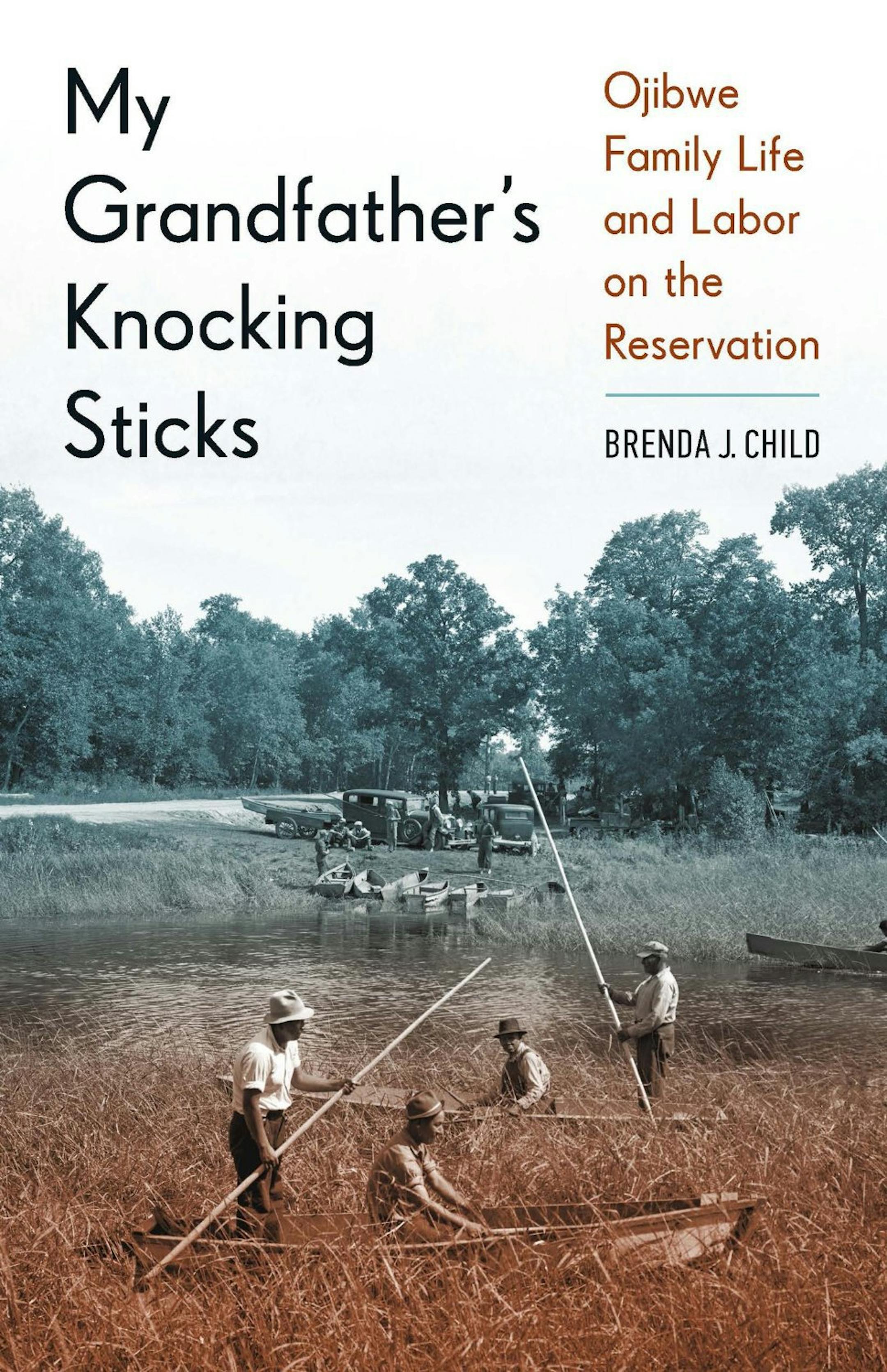
Auginash granddaughter Brenda J. Child tells the story of Indian survival in deeply personal ways and with fresh insights in her latest book, "My Grandfather's Knocking Sticks: Ojibwe Family Life and Labor on the Reservation."
The tribulations on an "outpost of imperialism" are not new. But Child, a professor of American studies at the University of Minnesota, surprised even herself in her exhaustive research, especially on the historically large role of women in reservation economics.
Under government programs, for instance, her grandfather's generation became the first for men to help harvest wild rice (his lightweight cedar knocking sticks, used to tap rice into canoes, became family heirlooms after he died in 1957).
Child explores how economics of ricing, fishing, maple syrup, lumber and paid labor changed with the 1918 flu pandemic, the Great Depression, job programs and tourism development.
Outrageously, the change was not always for the better. The women's "complex and orderly system of ecological guardianship" of ricing was threatened by land loss, dam building, non-Indian competition and mining waste.


