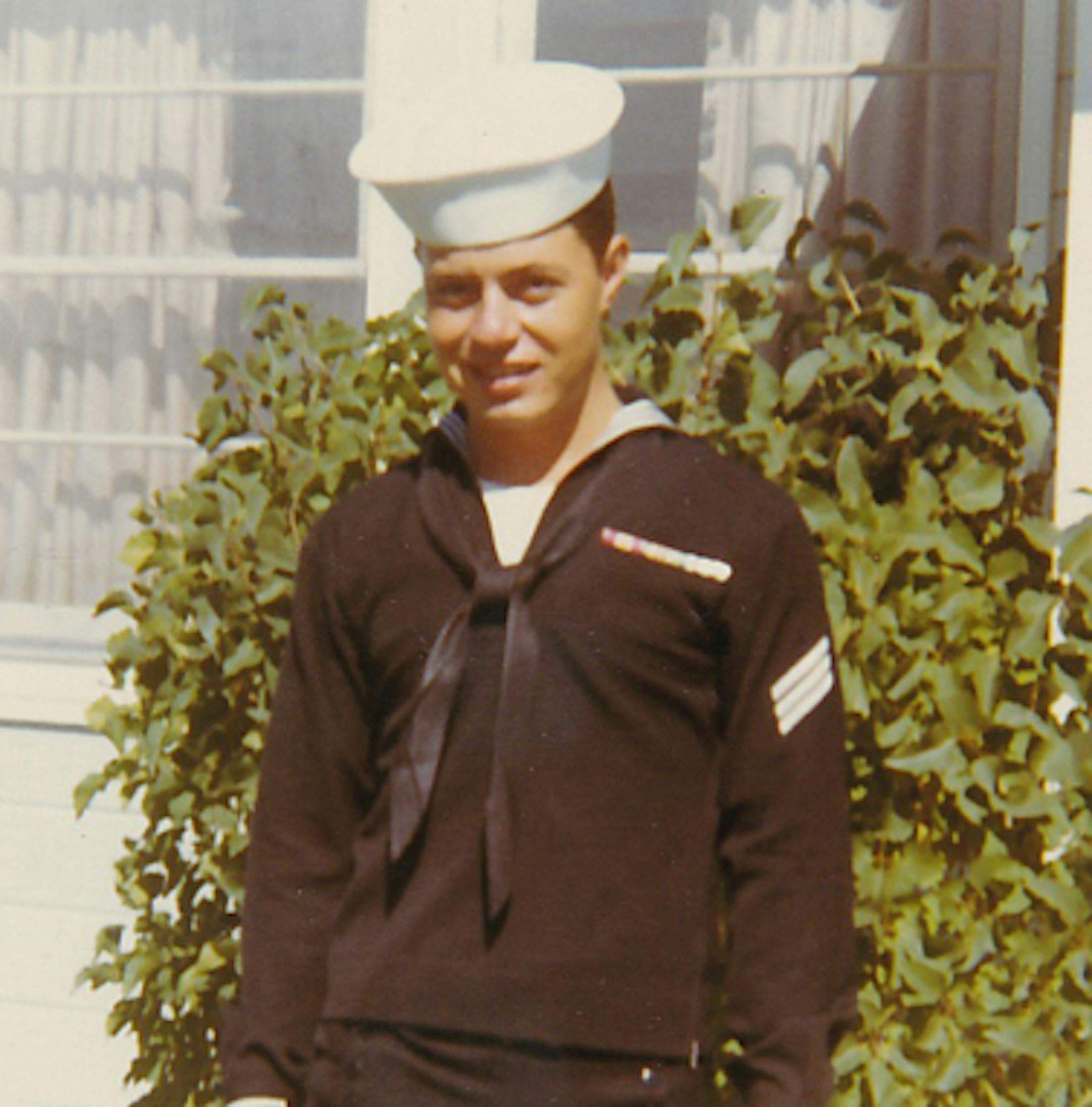
SAN FRANCISCO – Many of Ron Fleming's fellow soldiers have spent the past five decades trying to forget what they saw — and did — in Vietnam.
But Fleming, now 74, has spent most of that time trying to hold on to it. He's never been as proud as he was when he was 21.
Fleming was a door gunner in the war, hanging out of a helicopter on a strap with a machine gun in his hands. He fought in the Tet Offensive of 1968, sometimes for 40 hours straight, firing 6,000 rounds a minute. But he never gave much thought to catching a bullet himself.
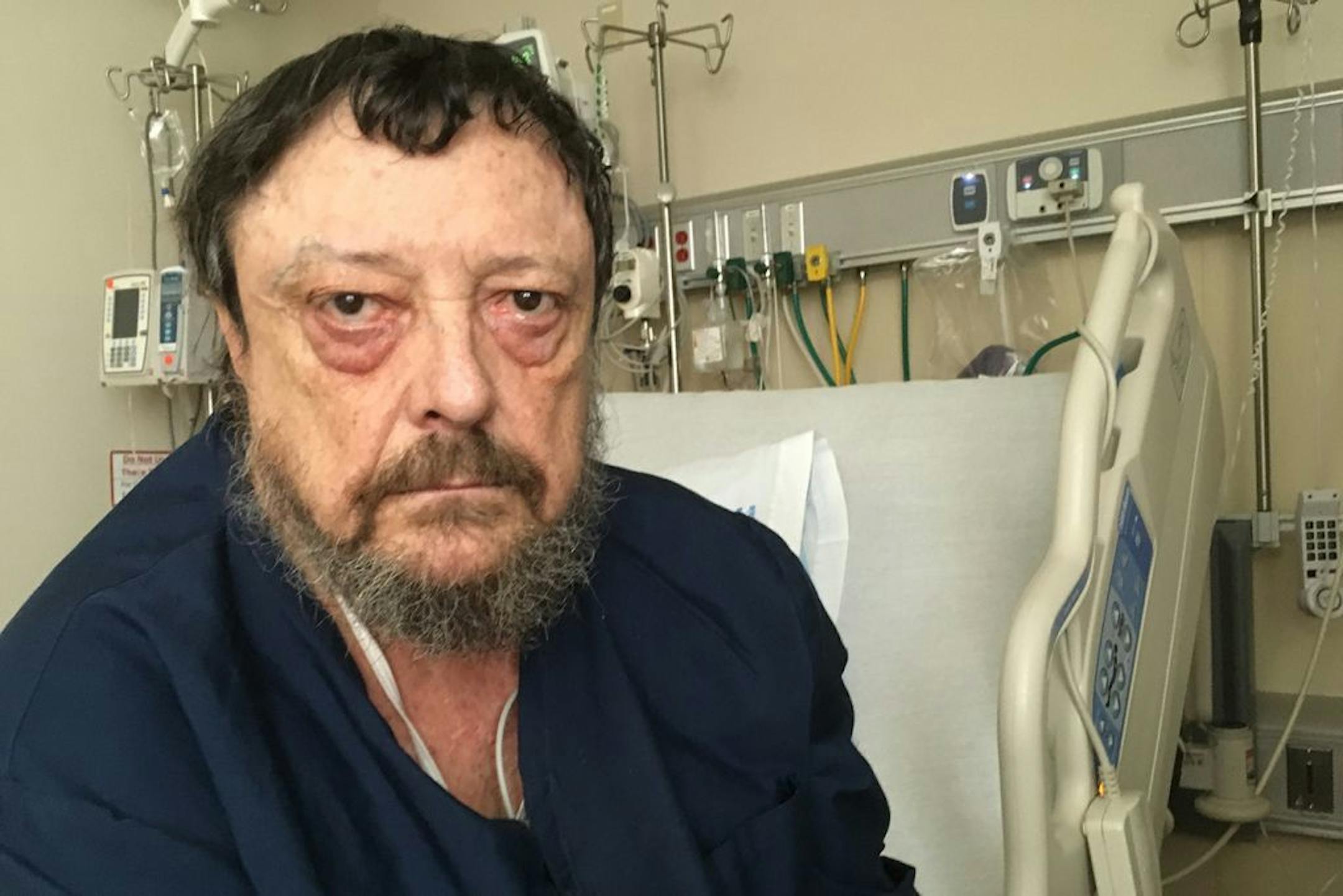
"At 21, you're bulletproof," he said, as he sat on the edge of his hospital bed at the San Francisco VA Medical Center. "Dying wasn't on the agenda."
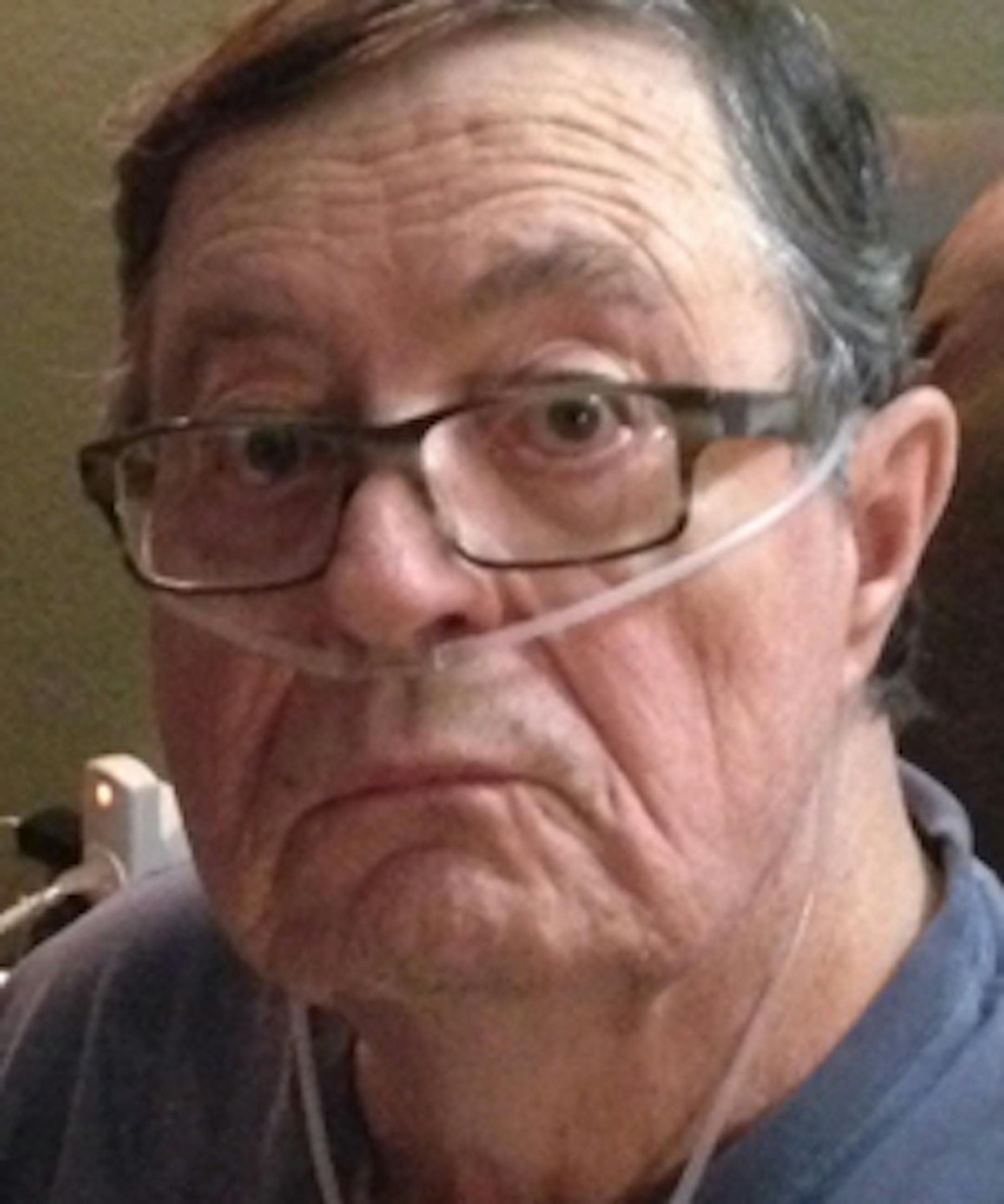
Now it is. Fleming has congestive heart failure and arthritis, and his asthma attacks often land him in the hospital. Ten years ago, he was diagnosed with post-traumatic stress disorder (PTSD), which makes him quick to anger and hypervigilant, as if he's still in that helicopter.
Fleming's physical and mental health symptoms, combined with his military history, are a challenge to the VA's palliative care team, which is coordinating his care as his health deteriorates. It is a challenge they are facing more often as Vietnam veterans age and develop life-threatening illnesses.
For some veterans, the stoicism they honed on the battlefield often returns full-force as they confront a new battlefront in the hospital, making them less willing to admit they are afraid or in pain, and less willing to accept treatment. Vets with PTSD are even more reluctant to take pain-relieving opioids because the drugs can actually make their symptoms worse, triggering frightening flashbacks.
About 30 percent of Vietnam vets have had PTSD in their lifetime, the highest rate among veteran groups, according to the U.S. Department of Veterans Affairs' National Center for PTSD. Their rate is higher because of the unique combat conditions they faced and the negative reception many of them received when they returned home, according to numerous studies.